
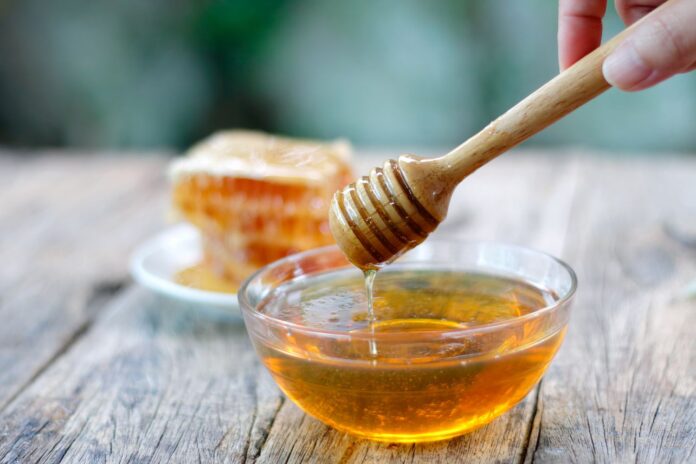
Introduction to Manuka Honey
Manuka honey, revered for centuries for its medicinal properties, is not your ordinary sweetener. Derived from the nectar of the Manuka tree flowers indigenous to New Zealand, this honey variant has garnered widespread attention for its unique composition and numerous health benefits. In this article, we delve into the fascinating world of Manuka honey, exploring its origins, exceptional qualities, and the myriad ways it can enhance both health and well-being.
What Makes Manuka Honey Special
Unique Properties
What sets Manuka honey apart from other honey varieties is its exceptional composition. Unlike traditional honey, Manuka honey contains high levels of methylglyoxal (MGO), a potent compound responsible for its strong antibacterial properties. This gives Manuka honey a distinct therapeutic edge, making it highly sought after in both traditional and modern medicine.
Origin and Production Process
Manuka honey originates from the pristine landscapes of New Zealand, where the Manuka tree (Leptospermum scoparium) thrives in the wild. Bees collect nectar from the Manuka blossoms, imbuing the honey with their unique properties. The production process involves careful harvesting, extraction, and packaging to preserve its purity and potency.
Health Benefits of Manuka Honey
Antibacterial Properties
One of the most notable benefits of Manuka honey is its powerful antibacterial activity. Research has shown that Manuka honey exhibits broad-spectrum antimicrobial effects, making it effective against a wide range of bacteria, including antibiotic-resistant strains such as MRSA. This makes it an invaluable natural remedy for treating wounds, infections, and other microbial-related ailments.
Wound Healing
Manuka honey’s ability to promote wound healing is well-documented. Its antimicrobial properties help prevent infection, while its high sugar content creates a protective barrier that facilitates tissue repair and regeneration. Medical-grade Manuka honey is commonly used in hospitals and wound care clinics to accelerate the healing process for burns, ulcers, and surgical wounds.
Digestive Health
In addition to its topical applications, Manuka honey offers numerous benefits when consumed internally. Its natural enzymes and prebiotics support digestive health by promoting the growth of beneficial gut bacteria and aiding in nutrient absorption. Regular consumption of Manuka honey can help alleviate digestive issues such as acid reflux, indigestion, and gastritis.
Immune System Support
Manuka honey is rich in antioxidants, which help strengthen the body’s immune defenses and protect against oxidative stress. Its antimicrobial properties also contribute to immune system support by combating harmful pathogens and reducing the risk of infections. Incorporating Manuka honey into your daily diet can help bolster your immune system and promote overall health and well-being.
Using Manuka Honey for Skincare
Acne Treatment
Manuka honey’s antibacterial and anti-inflammatory properties make it an effective natural remedy for acne-prone skin. Applying Manuka honey topically can help reduce inflammation, kill acne-causing bacteria, and promote faster healing of blemishes. Its gentle, soothing nature makes it suitable for all skin types, including sensitive and acne-prone skin.
Moisturizing Properties
In addition to its therapeutic benefits, Manuka honey also serves as an excellent moisturizer for the skin. Its humectant properties help attract and retain moisture, keeping the skin hydrated and supple. Incorporating Manuka honey into your skincare routine can help nourish and rejuvenate dry, dull skin, leaving it soft, smooth, and glowing.
How to Identify Genuine Manuka Honey
UMF Rating System
When purchasing Manuka honey, it’s essential to look for products that carry a certified Unique Manuka Factor (UMF) rating. The UMF rating system measures the potency and quality of Manuka honey based on its unique chemical markers, including MGO and dihydroxyacetone (DHA). A higher UMF rating indicates a higher level of antibacterial activity and overall quality.
Quality Certifications
In addition to the UMF rating, reputable Manuka honey brands may also carry other quality certifications, such as the New Zealand FernMark or the Manuka Originz seal. These certifications ensure that the honey meets strict standards for purity, authenticity, and ethical sourcing, giving consumers confidence in their purchase.
Incorporating Manuka Honey into Your Diet
Recipes and Usage Tips
There are countless ways to incorporate Manuka honey into your daily diet to reap its health benefits. You can enjoy it as a natural sweetener in teas, smoothies, and baked goods, or use it as a topping for pancakes, yogurt, and fruit salads. Manuka honey also adds a rich, flavorful dimension to savory dishes such as marinades, dressings, and glazes.
Potential Side Effects and Precautions
While Manuka honey offers numerous health benefits, it’s essential to use it responsibly and be aware of potential side effects. Some individuals may experience allergic reactions or digestive discomfort when consuming honey, especially if they have allergies to bee products or fructose intolerance. It’s also important to avoid giving honey, including Manuka honey, to infants under one year of age due to the risk of botulism.
Manuka Honey vs. Regular Honey
Nutritional Differences
Compared to regular honey, Manuka honey boasts higher levels of certain nutrients and bioactive compounds, such as antioxidants, vitamins, and minerals. Its unique composition, including elevated levels of MGO and other antimicrobial agents, gives it a distinct edge in terms of health benefits and therapeutic value.
Usage Comparisons
While both Manuka honey and regular honey offer sweetness and flavor, their uses may differ due to their varying properties. Manuka honey’s potent antibacterial activity makes it particularly well-suited for medicinal purposes, such as wound care and immune support, while regular honey may be preferred for culinary applications and general sweetening.
Sustainability and Ethical Considerations
Environmental Impact
As consumer demand for Manuka honey continues to grow, concerns have arisen regarding its impact on the environment and native ecosystems. Intensive beekeeping practices, habitat loss, and climate change can all have adverse effects on bee populations and the delicate balance of ecosystems where Manuka trees grow. It’s essential for honey producers to prioritize sustainable beekeeping practices and conservation efforts to ensure the long-term viability of Manuka honey production.
Fair Trade Practices
In addition to environmental considerations, ethical sourcing and fair trade practices are also critical factors to consider when purchasing Manuka honey. Supporting brands that adhere to fair trade principles and prioritize the welfare of beekeepers and indigenous communities helps promote social responsibility and sustainability within the industry.
The Future of Manuka Honey
As scientific research continues to uncover the myriad health benefits of Manuka honey, its popularity and demand are expected to soar in the coming years. From pharmaceutical applications to culinary innovations, the potential uses for Manuka honey are virtually limitless. However, it’s essential to approach its production and consumption with caution and respect for the environment and indigenous cultures to ensure its sustainability for future generations.
Conclusion
In conclusion, Manuka honey stands as a shining example of nature’s healing power, offering a treasure trove of health benefits and therapeutic properties. From its potent antibacterial activity to its soothing effects on the skin, Manuka honey has earned its place as a staple in holistic health and wellness practices worldwide. By incorporating this golden elixir into your daily routine, you can unlock its full potential and experience a renewed sense of vitality and well-being.
FAQs
Is Manuka honey safe for consumption? Yes, Manuka honey is generally safe for consumption for most individuals. However, individuals with allergies to bee products should exercise caution and consult with a healthcare professional if unsure.
How can I use Manuka honey for skincare? Manuka honey can be used as a facial mask, spot treatment for acne, or added to homemade skincare products for its moisturizing and antibacterial properties.
What does UMF stand for? UMF stands for Unique Manuka Factor, a grading system that measures the potency and quality of Manuka honey based on its antibacterial activity.
Can diabetics consume Manuka honey? While Manuka honey has a lower glycemic index than regular honey, diabetics should still monitor their intake and consult with a healthcare professional.
Is Manuka honey suitable for vegans? No, since Manuka honey is produced by bees, it is not considered vegan-friendly.
