
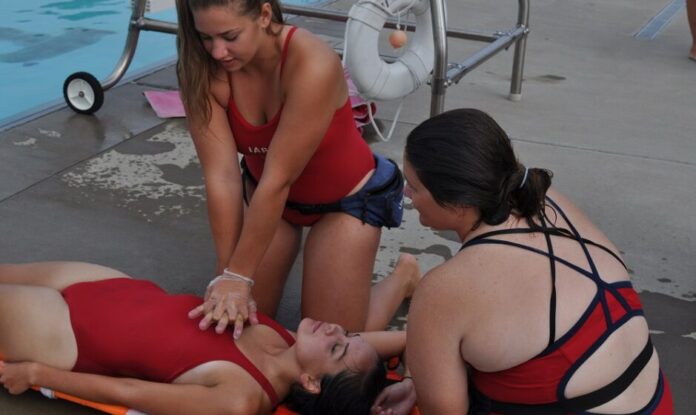
Lifeguarding is a critical job that requires skill, focus, and the right equipment to ensure safety. Whether working at a pool, beach, or water park, having the proper lifeguard gear is essential for quick response and effective rescues. Below is a detailed guide on the essential lifeguard equipment and its importance in performing the job effectively.
1. Rescue Tube or Buoy
A rescue tube or buoy is a flotation device used to assist swimmers in distress. It helps keep both the lifeguard and the victim afloat, preventing exhaustion and ensuring a successful rescue. These tubes are designed with durable materials to withstand harsh conditions and provide reliable support. Rescue tubes are commonly used in pools, while rescue buoys are more suited for open water rescues.
2. Whistle
A whistle is a primary communication tool for lifeguards. It allows for quick alerts to swimmers, fellow lifeguards, and emergency personnel. Different whistle signals can indicate various situations, such as clearing the pool, warning about dangerous behaviors, or signaling an emergency response. High-quality, durable whistles with a loud, clear sound are preferred for effective communication, even in noisy environments.
3. First Aid Kit
A well-stocked first aid kit is vital for handling minor and severe injuries. It should include:
- Bandages and gauze
- Antiseptics
- CPR mask
- Ice packs
- Tweezers and scissors
- Medical gloves
- Sterile eye wash solution
- Adhesive tape
- Burn cream
- Pain relievers
- Emergency blanket Having these essentials on hand ensures that lifeguards can provide immediate medical assistance when needed. A first aid kit should be checked and restocked regularly to ensure all supplies are available when required.
4. CPR Mask or Pocket Mask
Performing CPR in an emergency is a lifesaving skill, and a CPR mask protects both the lifeguard and the victim by providing a barrier during resuscitation. These masks also allow for better airflow and more effective rescue breaths. Some CPR masks come with oxygen inlets to facilitate oxygen administration if needed. Lifeguards should be trained in using CPR masks correctly for maximum effectiveness.
5. Backboard with Straps
For spinal injuries or unconscious victims, a backboard is necessary for safe transportation out of the water. The attached straps help immobilize the victim, preventing further injury while transferring them to medical professionals. Backboards are particularly important for head, neck, or spinal injuries that require special care to avoid worsening the condition.
6. Lifeguard Uniform
A professional and recognizable lifeguard uniform is crucial for quick identification. It typically includes:
- Brightly colored swimsuit or shorts
- Rash guard for sun protection
- Waterproof watch
- Sunglasses to reduce glare
- Hat or visor for sun protection
- Water-resistant footwear (for poolside or beach use) A well-dressed lifeguard is easier to spot, ensuring rapid response in emergencies. Lifeguard uniforms should be made of breathable, quick-drying fabric to ensure comfort throughout the shift.
7. Rescue Fins
For beach and open water lifeguards, rescue fins enhance swimming speed and efficiency. These are especially useful in strong currents and deep water rescues, allowing lifeguards to reach victims faster. Some rescue fins are designed with quick-release straps for easy removal when transitioning from water to land.
8. Emergency Oxygen Tank
Some facilities are equipped with emergency oxygen tanks to assist victims who are struggling to breathe. Oxygen administration can be critical before paramedics arrive, especially for drowning victims or those suffering from respiratory distress. Lifeguards should be trained in oxygen administration procedures and understand when and how to use oxygen tanks safely.
9. Two-Way Radio or Communication Device
Clear and quick communication is essential for lifeguards, especially in large areas like beaches and water parks. Two-way radios allow lifeguards to coordinate with team members and call for emergency assistance without delay. Communication devices should be waterproof and have a long-range signal to ensure they function effectively in all environments.
10. Sunscreen and Protective Gear
Since lifeguards often work outdoors, sunscreen is essential to protect against harmful UV rays. Wide-brimmed hats and polarized sunglasses further reduce sun exposure and improve visibility when scanning the water. Long hours in the sun can cause sunburn, dehydration, and heat exhaustion, making protective gear essential for maintaining focus and effectiveness.
11. Lifeguard Chair or Tower
A lifeguard chair or tower provides an elevated position for better visibility over the water. This vantage point helps lifeguards quickly spot swimmers in distress and respond effectively. Chairs and towers should be placed in optimal locations to provide the best coverage of the swimming area.
12. Rescue Board
A rescue board is a valuable tool for water rescues, particularly in open water settings such as oceans, lakes, and large pools. It provides flotation support for both the rescuer and the victim, making it easier to bring someone back to shore safely. Rescue boards are especially useful in high-surf areas and are commonly used by ocean lifeguards.
13. Defibrillator (AED – Automated External Defibrillator)
An AED is a crucial piece of emergency equipment that can help restart a victim’s heart in the event of cardiac arrest. Many aquatic facilities are required to have AEDs available, and lifeguards should be trained in their use. Quick access to an AED can significantly improve survival rates in cardiac emergencies.
14. Megaphone or PA System
In large aquatic areas such as beaches and water parks, a megaphone or public address system is useful for making announcements and providing instructions to swimmers. This ensures that important safety messages reach a large number of people effectively.
15. Hip Pack or Utility Belt
Lifeguards often carry essential small equipment such as gloves, a whistle, and a CPR mask in a hip pack or utility belt. This allows for quick access to emergency tools without the need to leave their post. These packs are lightweight and waterproof, making them convenient for use in aquatic environments.
16. Lifeguard Rescue Can
A rescue can is a hard plastic flotation device used primarily in ocean rescues. It is lightweight, buoyant, and designed to be towed by the lifeguard to assist multiple victims at once. Rescue cans are commonly used by surf lifeguards and are an essential tool for open water rescues.
17. Throw Bag with Rope
A throw bag with rope is a useful tool for reaching victims who may be struggling in the water but are within throwing distance. The lifeguard can throw the rope to the person in distress and pull them to safety. This method is effective for river rescues and situations where entering the water may not be the best option.
Conclusion
Having the right lifeguard equipment is crucial for ensuring safety and efficiency on the job. Every item on this list serves a specific purpose in protecting both lifeguards and the people they are responsible for. By being well-prepared with the necessary tools, lifeguards can perform their duties with confidence and effectiveness, ultimately saving lives and maintaining safety in aquatic environments. Regular equipment checks, proper maintenance, and ongoing training ensure that lifeguards remain ready for any emergency situation.
Must Read: Universal Headline
