
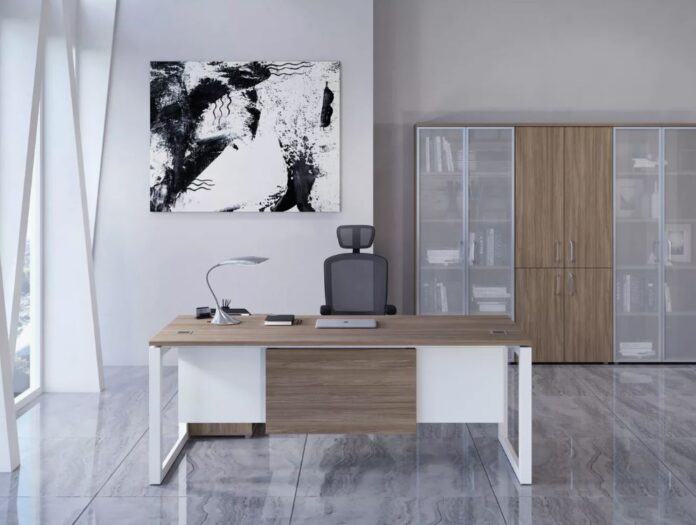
A high-quality office chair is essential for anyone who spends long hours sitting at a desk. Whether you work from home or in a corporate office, your chair plays a significant role in your overall comfort and health. Poor seating posture can lead to back pain, neck stiffness, and even long-term spinal issues. Investing in an ergonomic office chair is not just about comfort; it’s about maintaining proper posture and preventing potential health problems. With so many options available, choosing the right chair can be overwhelming. Understanding the key features and benefits of a well-designed chair will help you make an informed decision.
Key Features to Look for in an Office Chair
When selecting an office chair, several important factors should be considered to ensure maximum comfort and support. The first aspect to focus on is adjustability. A good chair should offer height adjustments to match your desk level, allowing your feet to rest flat on the ground. Armrests should be adjustable to provide support for your shoulders and arms, reducing strain. Another essential feature is lumbar support, which helps maintain the natural curve of your spine. Without proper lumbar support, prolonged sitting can lead to lower back pain. Seat depth and cushioning also play a vital role in providing comfort. A well-padded seat with adequate width and depth ensures you remain comfortable throughout the day. The material of the chair matters as well. Breathable mesh chairs offer better air circulation, while leather and padded fabric provide a plush seating experience.
Ergonomic Benefits of an Office Chair
An ergonomic office chair is designed to promote good posture and reduce physical strain. Unlike traditional chairs, ergonomic designs encourage proper spine alignment, preventing slouching and hunching. One of the primary benefits of an ergonomic chair is reduced pressure on the lower back. The adjustable lumbar support feature ensures your spine maintains its natural curve. Additionally, a chair with a reclining function allows users to shift positions easily, reducing stiffness and fatigue. Ergonomic chairs also improve circulation. Sitting for long periods can restrict blood flow to your legs, causing discomfort and swelling. A well-designed office chair encourages movement and better circulation, which is crucial for long-term health. Another advantage is enhanced focus and productivity. When you are comfortable, you can concentrate better on your work, leading to increased efficiency and fewer distractions.
Types of Office Chairs to Consider
There are several types of office chairs available, each catering to different needs and preferences. The most common option is the task chair, which is compact, adjustable, and suitable for everyday office use. Task chairs are ideal for people who require flexibility and mobility while working. Executive chairs, on the other hand, offer a luxurious feel with additional padding, high backrests, and premium materials like leather. These chairs are often chosen for managerial offices or conference rooms. Another popular choice is the mesh chair, which provides excellent breathability and is ideal for long working hours. If you need extra support, ergonomic chairs are the best option, as they come with adjustable features designed to reduce strain. Gaming chairs have also gained popularity in office settings due to their ergonomic design and extra cushioning. Depending on your needs, choosing the right type of chair can significantly impact your comfort and performance.
Common Mistakes to Avoid When Buying an Office Chair
Many people make the mistake of prioritizing aesthetics over comfort when purchasing an office chair. While a stylish chair may enhance the look of your workspace, it may not always provide the necessary support. Another common mistake is neglecting adjustability. A fixed chair with limited features may not accommodate your body’s specific needs, leading to discomfort. Ignoring seat depth and padding can also result in discomfort over time. A seat that is too shallow can cause pressure on your thighs, while a hard seat may lead to pain and fatigue. Not considering the weight capacity of a chair is another oversight. Ensure the chair you choose can comfortably support your weight for long-term durability. Lastly, failing to test the chair before purchase can lead to dissatisfaction. Whenever possible, sit in the chair and check its comfort level before making a decision.
How to Maintain Your Office Chair for Longevity
Proper maintenance of your office chair ensures its longevity and continued comfort. One of the most important steps is regular cleaning. Dust and dirt can accumulate on the chair’s surface, leading to wear and tear. Use a soft cloth or a vacuum to clean fabric and mesh chairs, while leather chairs require special cleaning solutions to maintain their shine. Adjusting the chair regularly according to your needs helps prevent strain on specific parts. For instance, if multiple people use the same chair, frequent adjustments ensure it remains comfortable for everyone. Checking the wheels and base for stability is crucial to prevent any accidents or malfunctions. If your chair has casters, make sure they roll smoothly and replace any damaged wheels if needed. Additionally, avoid excessive weight or pressure on the armrests and backrest to prevent breakage. Following these maintenance tips will help extend the life of your chair and keep it in optimal condition.
Choosing the Right Office Chair for Your Work Environment
Selecting an office chair based on your specific work environment can make a significant difference in your comfort and productivity. If you work in a corporate setting, an executive chair with premium features may be ideal. For home offices, a compact ergonomic chair with adjustable settings can provide the necessary support without taking up too much space. Shared workspaces or coworking offices may benefit from versatile task chairs that cater to different users. If your job involves prolonged sitting, investing in a high-back chair with lumbar support is highly recommended. On the other hand, if your work requires frequent movement, a lightweight and flexible chair with swivel functions can enhance mobility. Matching your chair to your work environment ensures a comfortable and efficient workspace setup.
Conclusion
Investing in a high-quality office chair is essential for maintaining comfort, productivity, and overall well-being. With so many options available, selecting the right chair involves considering key features such as adjustability, lumbar support, and material quality. An ergonomic chair not only promotes good posture but also enhances focus and efficiency. By avoiding common purchasing mistakes and maintaining your chair properly, you can ensure its longevity and continued performance. Whether you need a task chair for daily use or an executive chair for added luxury, choosing the right one can significantly impact your work experience. When looking for the best options, brands like Office Chair offer a range of ergonomic and stylish solutions to meet your needs.
