
Introduction
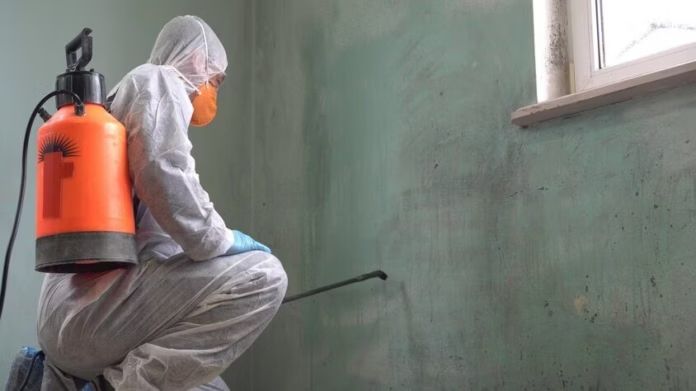
Mold remediation is a critical process that requires careful execution to ensure the safe and complete removal of mold from a property. Many homeowners and business owners attempt to handle mold issues on their own, often leading to common mistakes that can worsen the problem. Mold Remediation Services in Clarkesville, GA offer professional assistance to eliminate mold effectively, reducing the risks of health issues and structural damage. Understanding the mistakes to avoid can help ensure a successful remediation process and prevent future mold growth.
1. Ignoring the Underlying Cause of Mold Growth
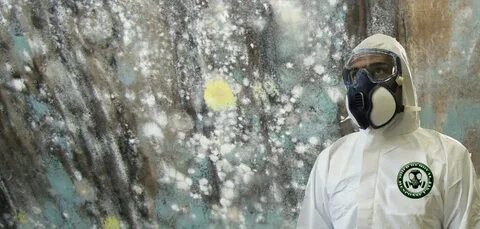
One of the biggest mistakes people make during mold remediation is addressing only the visible mold without identifying the root cause. Mold thrives in damp environments, often caused by leaks, humidity, or poor ventilation. Simply cleaning the mold without fixing the moisture source will lead to recurring mold infestations. It is essential to conduct a thorough inspection to identify and eliminate the cause of moisture before proceeding with remediation.
2. Using Ineffective Cleaning Methods
Many homeowners try to remove mold using common household cleaning products like bleach. While bleach may remove visible mold on non-porous surfaces, it does not penetrate porous materials such as wood, drywall, or carpeting. This can leave mold spores behind, allowing regrowth. Instead, professionals use specialized cleaning solutions, antimicrobial treatments, and HEPA vacuuming to effectively remove mold from all surfaces.
3. Failing to Properly Contain the Affected Area
Mold spores are microscopic and can easily become airborne, spreading to other areas of a property if not properly contained. One of the most critical steps in mold remediation is setting up containment barriers using plastic sheeting and employing negative air pressure to prevent the spread of spores. Without proper containment, mold can cross-contaminate unaffected areas, making the problem worse.
4. Not Wearing Proper Protective Gear
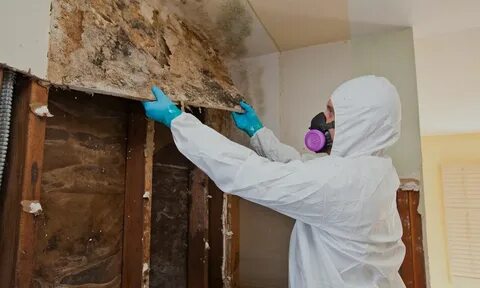
Mold exposure can cause respiratory problems, allergic reactions, and skin irritation. Failing to wear appropriate protective equipment, such as gloves, masks, goggles, and protective clothing, increases the risk of inhaling mold spores or coming into direct contact with them. Professional mold remediation teams always use personal protective equipment (PPE) to minimize health risks during the process.
5. Neglecting to Use HEPA Filters
Standard vacuums and air purifiers are not designed to capture microscopic mold spores. Using regular vacuums during mold cleanup can disperse mold spores into the air, leading to further contamination. HEPA (High-Efficiency Particulate Air) filters are specifically designed to capture tiny particles, including mold spores, ensuring that the air remains clean and safe. Professional mold remediation services utilize HEPA vacuums and air scrubbers to effectively remove airborne spores.
6. Attempting DIY Mold Remediation for Extensive Infestations
While small mold patches may be manageable for homeowners, extensive mold infestations require professional intervention. Attempting to remediate large-scale mold growth without the necessary knowledge and equipment can lead to incomplete removal and potential health hazards. Professional mold remediation experts have the training and tools to handle extensive mold problems safely and effectively.
7. Disposing of Contaminated Materials Improperly
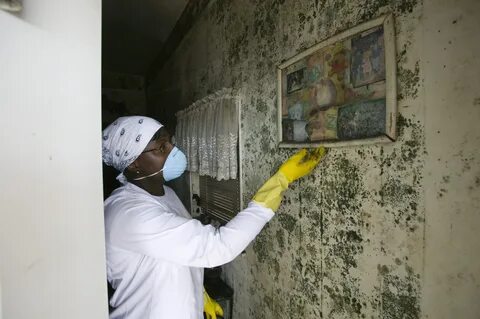
During mold remediation, certain materials such as drywall, carpeting, and insulation may need to be removed and disposed of. Simply throwing these items in the trash without proper sealing can spread mold spores to other areas. Contaminated materials should be sealed in heavy-duty plastic bags and disposed of according to local regulations to prevent further contamination.
8. Overlooking Airborne Mold Spores
Mold is not just a surface problem; airborne spores can linger in the air long after visible mold has been removed. Ignoring air quality control measures can result in continued exposure to mold spores. Professional remediation includes air scrubbing and filtration to remove airborne spores and improve indoor air quality.
9. Rushing the Drying Process
Proper drying is essential to prevent mold from returning. Some people make the mistake of removing mold without adequately drying the affected area, leading to residual moisture that encourages mold growth. Using industrial-grade dehumidifiers and air movers ensures thorough drying, reducing the risk of mold regrowth.
10. Skipping Post-Remediation Testing
After mold removal, it is crucial to conduct post-remediation testing to ensure that all mold has been effectively eliminated. Some homeowners assume that once visible mold is gone, the problem is solved. However, hidden mold can still be present. Professional mold remediation companies perform air quality tests and inspections to confirm that the remediation process was successful.
11. Using Incorrect Mold Removal Techniques
Different types of mold require different removal techniques. Using the wrong methods can make the situation worse by spreading spores or damaging the affected materials. Professional mold remediation specialists have the expertise to determine the best approach for each specific mold infestation.
12. Not Addressing Mold in HVAC Systems
Mold can grow inside heating, ventilation, and air conditioning (HVAC) systems, leading to continuous contamination throughout the property. Failing to inspect and clean HVAC components can allow mold spores to circulate and cause reinfestation. Professional mold remediation includes thorough HVAC cleaning to prevent mold from spreading.
13. Relying Solely on Mold-Resistant Products
While mold-resistant paints and materials can help prevent mold growth, they are not a substitute for proper moisture control. Homeowners who rely solely on these products without addressing underlying humidity issues may still experience mold problems. Effective prevention requires proper ventilation, dehumidification, and prompt leak repairs.
14. Overlooking Outdoor Sources of Mold
Mold issues are not always limited to indoor spaces. Outdoor mold sources, such as clogged gutters, poor drainage, and damp landscaping near the foundation, can contribute to indoor mold growth. Regular maintenance of the exterior environment can help reduce the risk of mold entering a property.
15. Failing to Educate Occupants on Mold Prevention
Even after professional mold remediation, occupants must be informed about best practices for mold prevention. Simple habits like using exhaust fans, maintaining proper humidity levels, and addressing leaks promptly can significantly reduce the risk of future mold problems. Mold education is a key part of long-term mold control.
Conclusion
Mold remediation is a complex process that requires careful execution to avoid costly mistakes. Addressing the root cause, using proper cleaning techniques, containing the affected area, and employing professional equipment are essential for successful mold removal. By avoiding these common mistakes and seeking professional assistance when necessary, homeowners can ensure a mold-free and healthy indoor environment. Taking the right steps during mold remediation will prevent future infestations and protect both property and health
