
Introduction
When it comes to reducing stubborn fat in areas like the double chin, abdomen, or love handles, two popular options often come up: fat melting injection in Dubai and liposuction. Both treatments promise to remove unwanted fat, but how do they compare in terms of effectiveness, cost, and recovery time? If you’re considering fat reduction treatments in Dubai, it’s essential to weigh the pros and cons of each option before making your decision.
In this blog, we’ll compare fat melting injections and liposuction, discussing their differences, benefits, and potential drawbacks to help you choose the right treatment for your needs.
1. What Are Fat Melting Injections?
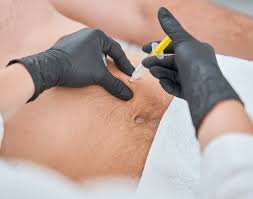
Fat melting injections use deoxycholic acid, a naturally occurring substance in the body that helps break down dietary fat. When injected into targeted areas with excess fat, the solution disrupts fat cell membranes, causing them to break down and be naturally eliminated by the body.
The most common areas treated with fat melting injections include:
- Double chin
- Love handles
- Abdomen
- Thighs
- Upper arms
This non-surgical treatment is less invasive compared to traditional fat removal procedures and doesn’t require general anesthesia.
2. What is Liposuction?
Liposuction is a more invasive, surgical procedure used to remove excess fat from various areas of the body. During the procedure, a surgeon makes small incisions in the skin and inserts a thin tube, called a cannula, to suction out fat from areas like the abdomen, thighs, flanks, and love handles. Liposuction can be done under local anesthesia or general anesthesia, depending on the scope of the treatment.
Liposuction is typically recommended for individuals who have larger areas of fat to remove and are looking for more immediate, dramatic results.
3. Comparing Fat Melting Injections and Liposuction
Let’s compare the two procedures on several important factors to help you determine which fat reduction treatment may be better suited for your goals.
1. Invasiveness
- Fat Melting Injections: Non-surgical and minimally invasive, involving only injections into the fat tissue. There is no need for incisions or stitches.
- Liposuction: A surgical procedure that requires incisions and the insertion of a cannula to remove fat. It’s more invasive and requires a longer recovery period.
2. Target Areas
- Fat Melting Injections: Effective for smaller, localized areas of fat, such as the double chin, underarms, and love handles. Ideal for people who want to contour specific areas.
- Liposuction: More suitable for larger, more diffuse areas of fat, like the abdomen and thighs. Liposuction can treat multiple areas at once.
3. Results
- Fat Melting Injections: Results are gradual, with improvements typically visible within 4-6 weeks. Several sessions may be required to achieve the desired results, especially for larger or more stubborn fat areas.
- Liposuction: Results are immediate and more dramatic. Once the fat is removed, the area looks more contoured, and recovery time is relatively short (though still longer than fat melting injections).
4. Recovery Time
- Fat Melting Injections: There’s minimal downtime. Patients may experience some swelling, bruising, or discomfort for a few days after treatment, but they can generally return to their normal activities quickly.
- Liposuction: Recovery time is longer, often taking several weeks to fully heal. Swelling, bruising, and soreness are common, and compression garments are typically worn during the recovery period.
5. Pain and Anesthesia
- Fat Melting Injections: The procedure is relatively pain-free, though some discomfort from the injections may occur. No anesthesia is required, but a topical numbing cream may be applied.
- Liposuction: Liposuction involves a surgical procedure, so it’s performed under local or general anesthesia, depending on the extent of fat removal. Post-surgery, patients may experience more discomfort due to the invasiveness of the treatment.
6. Cost
- Fat Melting Injections: Generally, fat melting injections tend to be more affordable than liposuction, particularly because they don’t require general anesthesia or an operating room.
- Liposuction: Being a more invasive surgery, liposuction is more expensive. The cost can increase based on the number of areas treated and whether general anesthesia is used.
4. Which Treatment Is Right for You?
Both fat melting injections and liposuction have their own unique benefits, and the right choice depends on your goals, budget, and lifestyle. Here’s a quick guide to help you decide:
Choose Fat Melting Injections If:
- You want a non-surgical treatment with minimal downtime.
- You have smaller areas of fat (such as a double chin or love handles) and are looking for gradual improvements.
- You are not looking for an immediate, dramatic change but prefer a more subtle transformation.
- You prefer a more affordable fat reduction option.
Choose Liposuction If:
- You want immediate and dramatic fat removal for larger areas like the abdomen or thighs.
- You have significant amounts of stubborn fat that cannot be reduced by diet or exercise.
- You’re looking for a one-time treatment to contour multiple areas at once.
- You have the time and willingness to go through a more invasive procedure with a longer recovery period.
- 1. Understanding Fat Melting Injections
Fat melting injections primarily contain deoxycholic acid, a substance that helps break down fat. When injected into localized areas of fat, the solution targets the fat cells, destroying them. Over time, the body naturally processes and eliminates these fat cells, resulting in a reduction in the amount of fat in the treated areas.
These injections are ideal for smaller, more concentrated pockets of fat, such as:
Double chin
Love handles
Belly fat
Thighs
While the procedure is non-invasive, it requires multiple sessions to achieve the desired results, depending on the area treated and the amount of fat to be reduced.
2. How Long Do Fat Melting Injections Last?
The longevity of fat melting injections results largely depends on various factors, including the amount of fat being treated, the number of sessions needed, and how well you maintain your results after treatment.
1. Permanent Results for Targeted Fat Reduction
Once the fat cells are broken down by the deoxycholic acid, the body will naturally eliminate them. The process destroys the fat cells permanently, meaning that the fat in the treated areas won’t return. However, this doesn’t mean that you are immune to gaining fat in the future. Fat melting injections target the fat in specific areas, but if you experience weight gain, new fat cells can form in different areas of the body.
Effectiveness Duration: Most patients can expect lasting results after their treatment, as the fat cells are permanently destroyed. If a healthy lifestyle is maintained, the results can last for many years.
2. Maintenance and Touch-Up Treatments
While the results of fat melting injections are generally permanent, some people may need touch-up treatments to maintain their results. If you’ve had several treatments for a more significant fat reduction, the effects should last for a long time, but periodic maintenance may be required, especially in areas where fat is more prone to returning.
The frequency of touch-up treatments will depend on factors like your lifestyle and your body’s natural tendency to store fat. Generally, maintenance treatments are recommended once a year or as needed.
3. Factors That Affect the Longevity of Results
Several factors can influence how long your fat melting injections results last:
1. Lifestyle Choices
Maintaining a healthy lifestyle is crucial to prolonging the effects of fat melting injections. A balanced diet and regular exercise can help you maintain a stable weight and prevent the accumulation of new fat. If you gain weight, it’s possible that fat could return to the treated areas.
2. Age and Metabolism
As we age, our metabolism tends to slow down, which can impact how efficiently the body processes fat. Older individuals or those with slower metabolisms may experience a gradual return of fat in the treated areas, even if they follow a healthy lifestyle.
3. Body’s Natural Fat Distribution
The way your body stores and distributes fat plays a role in the results you can expect. Some individuals are more prone to storing fat in certain areas of the body, even after fat cells are eliminated through fat melting injections. Your body’s tendency to store fat in specific areas may require additional treatments to maintain a contoured look.
4. How Many Sessions Are Needed for Optimal Results?
For most patients, fat melting injections require 2-4 sessions to achieve the desired fat reduction. Each session is spaced 4-6 weeks apart, allowing the body time to process and eliminate the destroyed fat cells. The number of sessions will vary depending on the size of the treatment area and the amount of fat to be reduced.
Smaller areas like the double chin may require fewer sessions, while larger areas like the abdomen or love handles may require more.
It’s important to note that results are gradual, and improvements are typically seen after 4-6 weeks following each treatment session.
5. Maintaining Long-Term Results
To ensure that the results from your fat melting injections last as long as possible, it’s important to adopt a few key lifestyle habits:
1. Healthy Diet
Eating a well-balanced diet rich in whole foods, lean proteins, vegetables, fruits, and healthy fats will help keep your metabolism in check and prevent new fat accumulation. Avoiding excessive sugar and processed foods is also important for maintaining your results.
2. Regular Exercise
Regular physical activity, including cardio and strength training exercises, will help burn calories and maintain your body’s fat distribution. Exercise is key to sustaining the contouring effects of fat melting injections and ensuring that the fat in treated areas doesn’t return.
3. Weight Management
While fat melting injections can permanently reduce fat in the treated areas, gaining significant weight can cause new fat cells to form elsewhere in the body. Maintaining a stable weight will help preserve your results for a longer time.
4. Follow-Up Treatments
Depending on how your body responds, you may want to schedule follow-up treatments for touch-ups or maintenance every year or as needed. Your practitioner will be able to recommend the ideal schedule based on your specific goals.
5. Conclusion
Both fat melting injections and liposuction are effective fat reduction treatments in Dubai, but they serve different purposes and cater to different patient needs. Fat melting injections are a fantastic option for smaller, more localized fat deposits and offer the advantage of being non-invasive, with minimal downtime. Liposuction, on the other hand, provides immediate and dramatic results for larger areas of fat but requires more recovery time and a higher cost.
If you’re unsure which treatment is right for you, consult with a certified cosmetic surgeon or aesthetic practitioner in Dubai. They will assess your body, goals, and medical history to recommend the best option for achieving the look you desire.
