
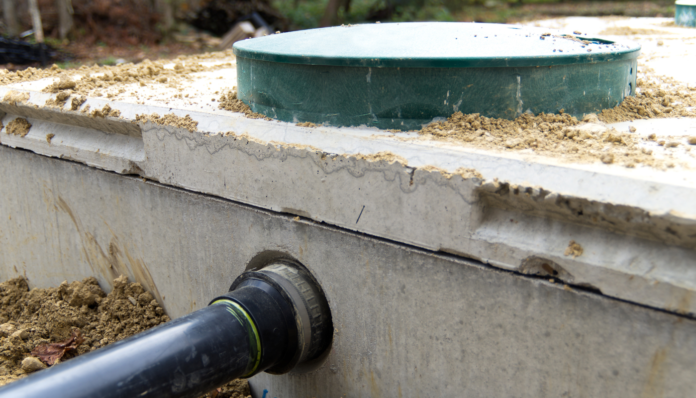
🌧️ Heavy Rain and Flooding
When it rains a lot—especially during long storms or back-to-back rainy days—the ground around your drain field can become completely soaked. That’s a problem because your septic system relies on the soil to help filter and break down wastewater after it leaves the tank.
If the soil is already full of rainwater, there’s nowhere for the septic water to go. It can start to back up into your house through toilets, sinks, or tubs. Even worse, it might leak out into your yard, creating smelly puddles of raw sewage. That’s not only gross—it’s also dangerous to your health and the environment.
Homes in low-lying areas or with poor drainage are especially at risk. So, after a big storm, if you notice slow drains or bad smells, it could be your septic system trying to tell you something.
🔥 Droughts
It’s not just too much water that’s a problem—too little water can be just as bad. During a drought, the ground dries out and gets hard like concrete. That makes it harder for wastewater from your septic system to spread out and soak into the soil, which is a key part of how your system filters waste.
Also, when the ground is very dry, it can shrink and pull away from the pipes, which may cause them to shift, crack, or come loose. This can lead to leaks underground that you won’t notice right away—until you smell something bad or see dead patches in your lawn.
Dry weather can even make your system work harder, which puts extra pressure on the tank and drain field. It’s important to watch for changes in water flow or unusual odors during dry spells.
❄️ Freezing Weather
When winter hits and temperatures drop below freezing, the water sitting inside your septic pipes can freeze—especially if those pipes are shallow or not well insulated. Frozen pipes block the flow of wastewater, which means sewage can back up into your home or spill out somewhere it shouldn’t.
In really cold areas, even the tank itself or the drain field can freeze if not properly protected. Once frozen, it’s hard to fix without digging, which is extra difficult (and expensive) in frozen ground.
If you live in a colder climate, keeping the system insulated with mulch or having a professional septic tank contractor check your setup can save you from big problems during winter.
🌪️ Storm Damage
Storms aren’t just about wind and rain—they can cause real physical damage to your septic system. Strong winds, fallen trees, and floods can move the soil around your tank and pipes. If the ground shifts too much, it can bend or break pipes, disrupt your drain field, or even cause the septic tank itself to shift or float if the water table rises high enough.
If your tank’s lid isn’t sealed tight, floodwater (along with debris and bacteria) can get inside the tank, throwing off the system’s balance and leading to overflows or system failure.
It’s a good idea to check your system after a major storm, and always make sure your tank lid is properly secured.
Smart Septic System Maintenance for Extreme Weather
Extreme weather is becoming more common, but the good news is—you can prepare your septic system for it. Here are some simple but important steps to protect your system and avoid emergency repairs:
- Get regular inspections and pumping from a professional septic tank contractor.
- Keep an eye out for slow drains, wet spots in your yard, or weird smells.
- Redirect rainwater away from your drain field using gutters and landscaping.
- Add mulch or insulation in colder months to prevent freezing.
- Never drive or park heavy vehicles over the tank or drain field.
- Fix cracks or leaks as soon as you spot them—small problems can grow fast in extreme conditions.
Your septic system is built to last—but only if you treat it right and stay ahead of weather-related problems.
Smart Septic System Maintenance for Extreme Weather
Luckily, there are ways to protect your system from weather-related damage. Here are some tips you can follow to keep your septic system in good shape:
1. Work with a Licensed Septic Tank Contractor
Your first move should always be to call a professional. A skilled septic tank contractor can inspect your system, spot potential problems, and help you stay ahead of issues caused by changing weather.
2. Pump Your Tank Regularly
Regular pumping keeps solids from building up in the tank and overflowing into the drain field. If you’re not sure how often to pump, most homes should do it every 3–5 years. Your septic tank contractor can help you decide what’s best for your system.
3. Check for Cracks or Leaks
Have your system checked for any damage after a big storm, especially if your yard has flooded or shifted. Small cracks can become big (and expensive) problems later.
4. Redirect Rainwater Away
Make sure your gutters and downspouts send rainwater away from the drain field. Too much water around that area can cause the soil to get soggy and stop working.
5. Avoid Driving or Building on the Drain Field
Heavy vehicles or even large structures can crush pipes underground. Keep that area clear, especially after a storm when the ground may already be unstable.
6. Add Insulation for Winter
If you live somewhere cold, ask your septic contractor about ways to insulate your system—especially shallow pipes. You can also add mulch over the area to help hold in heat.
Why Septic System Maintenance Matters More Than Ever
Climate change isn’t just about hotter summers or wetter winters—it’s about how all these shifts can hit your home systems hard. And your septic system is one of those things that quietly works in the background… until it doesn’t.
Regular maintenance from a professional septic tank contractor can keep things running smoothly no matter what Mother Nature throws at you.
At Septic Masters, we understand how local weather patterns impact septic systems. We’ve seen it all, and we know how to help you prepare, repair, and protect your home’s system.
Final Thoughts: Don’t Wait for a Disaster
Taking care of your septic system before a weather emergency hits is one of the smartest things you can do as a homeowner. Extreme weather is here to stay—but with the right planning and help from a reliable septic tank contractor, your system can keep running strong.
