
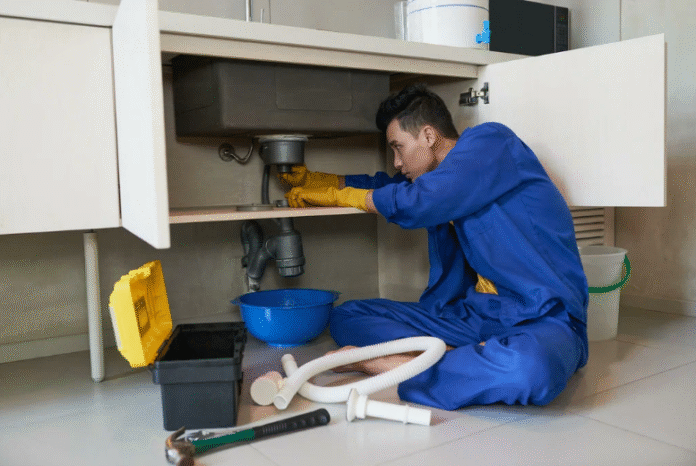
Plumbing is a vital part of every home or business, and ensuring your plumbing system functions well is crucial for the safety, comfort, and efficiency of your space. However, with the growing concern for environmental sustainability and energy conservation, eco-friendly plumbing solutions have become a top priority for many homeowners and businesses. Eco plumbing, or environmentally conscious plumbing, focuses on reducing water and energy consumption, using sustainable materials, and promoting practices that benefit both your property and the planet.
In this article, we will explore the benefits of eco plumbing, how it differs from general plumbing, and some of the latest innovations that can help you reduce your environmental impact while maintaining a fully functional plumbing system.
Understanding General Plumbing vs. Eco Plumbing
General Plumbing Overview
General plumbing refers to the traditional installation, repair, and maintenance of plumbing systems. This can include everything from water supply systems and drainage systems to sewer lines, water heaters, and appliances like dishwashers and washing machines. General plumbing services focus primarily on ensuring that these systems are functioning properly and safely, often with less emphasis on efficiency or sustainability.
Traditional plumbing systems may include materials such as copper, PVC, and steel, and these materials are often chosen for their durability and cost-effectiveness. However, these systems can lead to significant water waste, energy inefficiency, and potential long-term damage to the environment. General plumbing may not always prioritize eco-friendly solutions, but it is the standard plumbing approach for most homes and businesses.
What Is Eco Plumbing?
Eco plumbing, on the other hand, focuses on adopting sustainable practices that minimize the environmental impact of plumbing systems. It aims to reduce water usage, lower energy consumption, and use eco-friendly materials. Eco plumbing solutions help conserve natural resources, reduce utility bills, and lower carbon footprints, all while maintaining the effectiveness and reliability of a plumbing system.
Some common eco plumbing solutions include low-flow faucets, water-saving toilets, energy-efficient water heaters, and greywater systems. Plumbers who specialize in eco plumbing often undergo additional training to understand the latest green technologies and practices, ensuring they can implement the most sustainable solutions for their clients.
Key Eco Plumbing Solutions
1. Water-Efficient Fixtures
One of the simplest ways to reduce water consumption in your home or business is by installing water-efficient fixtures. These include low-flow faucets, showerheads, and toilets that use significantly less water without sacrificing performance. Traditional toilets, for example, can use up to 6 gallons of water per flush, whereas modern low-flow models use as little as 1.28 gallons. By upgrading to these fixtures, you can significantly lower your water bills and reduce your environmental footprint.
2. Tankless Water Heaters
Tankless water heaters, also known as on-demand water heaters, are a highly efficient alternative to traditional water heaters. Unlike conventional models, which store and continuously heat a large tank of water, tankless water heaters heat water only when it’s needed. This eliminates the energy wasted in keeping a tank full of water hot at all times and can result in significant savings on your energy bills.
Tankless water heaters are available in both gas and electric models, and they offer the added benefit of taking up less space than traditional water heaters, making them ideal for homes with limited space.
3. Solar Water Heating Systems
Solar water heaters use energy from the sun to heat water, making them one of the most eco-friendly options available for your general plumbing. By installing solar panels to capture solar energy, you can reduce reliance on electricity or gas to heat your water. Solar water heating systems can save you a substantial amount of money on energy bills, especially in areas with ample sunlight.
While the initial installation cost of a solar water heating system can be higher than conventional models, the long-term savings and environmental benefits are worth considering. Many governments also offer incentives or rebates for homeowners who install solar-powered systems.
4. Greywater Recycling Systems
A greywater recycling system is designed to reuse wastewater from your sinks, showers, and washing machines for non-potable purposes like irrigation or toilet flushing. By capturing and filtering greywater, you can reduce the amount of clean water your household or business uses. This helps conserve water and reduce overall water consumption.
Installing a greywater system requires careful planning and professional installation, but it can lead to significant water savings, particularly in drought-prone areas.
5. Leak Detection and Repair
Undetected leaks can waste a large amount of water over time. A small, slow drip from a faucet or a leaky pipe can waste gallons of water daily, which contributes to higher utility bills and unnecessary water consumption. Eco plumbing services often include leak detection and repair as part of their offerings.
Modern leak detection technology allows plumbers to locate hidden leaks without having to dig up walls or floors. This minimizes the disruption to your home or business and ensures that leaks are fixed quickly to prevent further waste.
6. Eco-Friendly Plumbing Materials
Another important aspect of eco plumbing is the use of sustainable materials. Many traditional plumbing materials, such as PVC, can be harmful to the environment due to their production process and disposal. Eco-friendly plumbing materials, such as PEX (cross-linked polyethylene) piping, offer a more sustainable alternative. PEX piping is flexible, durable, and easy to install, making it an ideal choice for eco-conscious homeowners.
Other sustainable materials include copper, which is highly recyclable, and bamboo-based products for fixtures and accessories. When choosing eco plumbing materials, it’s essential to consider factors like durability, recyclability, and environmental impact.
The Benefits of Eco Plumbing
- Cost Savings: While eco plumbing solutions may require a larger initial investment, the long-term savings on water and energy bills can more than make up for it. Water-efficient fixtures, energy-efficient water heaters, and leak repairs all contribute to lowering your monthly utility costs.
- Environmental Impact: By adopting eco plumbing practices, you’re helping to conserve valuable natural resources like water and energy. Reducing your water consumption can have a significant positive impact, particularly in areas facing water scarcity.
- Increased Property Value: Sustainable features, such as energy-efficient water heaters and water-saving fixtures, are increasingly popular with homebuyers and can add value to your property. Eco-friendly plumbing can set your home apart in a competitive real estate market.
- Improved Water Quality: Many eco plumbing solutions, such as water filtration systems and greywater recycling, can improve the overall quality of water in your home or business. Cleaner water contributes to healthier living environments.
- Government Incentives: Many local governments and utility companies offer incentives for homeowners who invest in energy-efficient and water-saving plumbing systems. These incentives can help offset the upfront costs of installing eco-friendly systems.
Conclusion
Eco plumbing is a smart choice for anyone looking to reduce their environmental impact and save money on utility bills. From water-efficient fixtures to solar-powered water heaters, there are numerous solutions available to make your plumbing system more sustainable. By adopting eco plumbing practices, you not only enhance the efficiency and functionality of your plumbing system but also contribute to a healthier planet. Whether you’re renovating an existing property or building a new one, incorporating eco plumbing can help ensure that your plumbing system is as green as it is effective.
Short FAQ
Q1: What is eco plumbing?
A1: Eco plumbing refers to plumbing systems designed to reduce water and energy usage, using sustainable materials and practices to benefit the environment.
Q2: How does eco plumbing save money?
A2: Eco plumbing solutions, like low-flow fixtures and tankless water heaters, reduce water and energy consumption, resulting in lower utility bills.
Q3: Is eco plumbing more expensive to install?
A3: Some eco plumbing solutions may have a higher initial cost, but they offer long-term savings on energy and water bills.
Q4: Can I install eco plumbing in an existing home?
A4: Yes, many eco plumbing solutions, like water-saving fixtures and leak detection, can be easily added to existing plumbing systems.
Q5: Are there any government incentives for eco plumbing?
A5: Many regions offer incentives or rebates for installing energy-efficient or water-saving plumbing systems. Check with local authorities for more information.
