
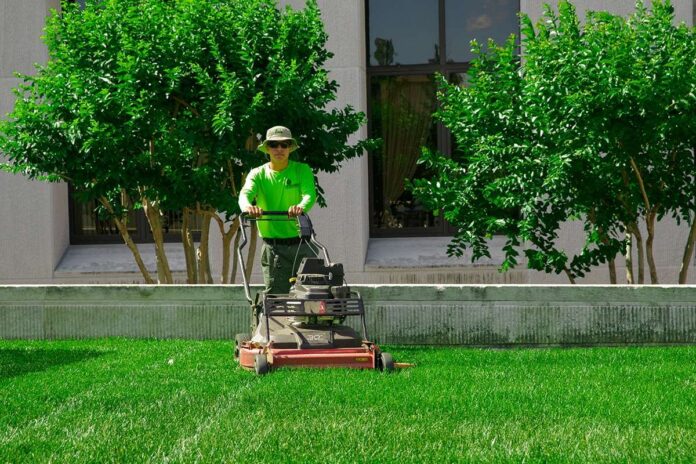
A healthy lawn does more than improve curb appeal. It creates a comfortable outdoor space, protects soil from erosion, and can even increase property value. However, maintaining thick, green grass throughout the year requires more than occasional mowing. Homeowners often struggle with weeds, uneven growth, pests, and seasonal lawn stress, making professional guidance valuable.
If you are researching how a lawn care company works and what services it should provide, understanding the fundamentals can help you make informed decisions. A reputable lawn care provider focuses on long-term lawn health rather than quick cosmetic fixes. This article explains what professional lawn care involves, how to evaluate service quality, and practical ways to keep your yard in excellent condition.
Whether you own a small residential lawn or manage a larger property, knowing the right maintenance strategies can help you avoid costly mistakes while encouraging healthy grass growth throughout every season.
What Does a Lawn Care Company Actually Do?
Many people assume lawn care simply means cutting grass, but professional lawn care is much more comprehensive. Experienced specialists evaluate soil conditions, grass varieties, climate patterns, irrigation systems, and seasonal challenges before recommending a maintenance plan.
Typical lawn care services include:
- Routine mowing using proper cutting heights.
- Fertilization based on soil nutrient needs.
- Weed identification and control.
- Lawn aeration to improve root development.
- Overseeding thin or damaged areas.
- Pest and disease monitoring.
- Seasonal cleanup during spring and fall.
- Irrigation assessment and water management.
Rather than treating symptoms individually, professionals look at the lawn as a complete ecosystem. For example, yellow grass may result from poor drainage instead of fertilizer deficiency. Identifying the underlying issue prevents unnecessary treatments.
Different regions also require different maintenance approaches. Cool-season grasses need different schedules than warm-season varieties, making local expertise especially valuable.
A Practical Strategy for Maintaining a Healthy Lawn
Professional lawn care follows a structured process instead of relying on random treatments.
Start with a Lawn Assessment
Every successful maintenance plan begins with evaluating the current condition of the yard.
An inspection should include:
- Grass density
- Soil quality
- Weed presence
- Bare patches
- Drainage problems
- Signs of insect activity
- Irrigation performance
This assessment provides a baseline for future improvements.
Develop a Seasonal Maintenance Plan
Lawn care changes throughout the year.
During spring, focus on fertilization, weed prevention, and repairing winter damage.
Summer requires proper watering, careful mowing, and monitoring heat stress.
Fall is ideal for aeration, overseeding, and strengthening roots before winter.
Winter maintenance usually involves minimizing traffic on frozen grass while preparing equipment for the next growing season.
Following seasonal priorities produces healthier, more resilient turf.
Maintain Proper Mowing Practices
Many homeowners unknowingly damage their lawns by mowing incorrectly.
Healthy mowing practices include:
- Never removing more than one-third of the grass blade.
- Keeping mower blades sharp.
- Varying mowing patterns.
- Avoiding mowing when grass is excessively wet.
These simple adjustments reduce stress and encourage stronger growth.
Improve Soil Health
Healthy soil supports healthy grass.
Periodic soil testing identifies nutrient deficiencies and pH imbalances. Based on results, lawn professionals may recommend lime, fertilizer, compost, or organic amendments.
Strong root systems develop naturally when soil conditions remain balanced.
Understanding Common Lawn Problems
Weed Infestations
Weeds compete directly with grass for sunlight, nutrients, and moisture.
Instead of repeatedly applying herbicides, professionals identify why weeds appeared in the first place. Thin turf, poor mowing habits, and compacted soil often create ideal conditions for weed growth.
Improving lawn density naturally reduces future weed problems.
Soil Compaction
Heavy foot traffic gradually compresses soil, restricting oxygen and water movement.
Signs include:
- Water pooling
- Thin grass
- Slow growth
- Hard ground
Core aeration relieves compaction and allows roots to expand deeper into the soil.
Overwatering
Many homeowners believe more water automatically creates greener lawns.
In reality, excessive watering encourages shallow roots, fungal diseases, and wasted resources.
Deep, less frequent watering usually produces healthier grass than daily irrigation.
Pest Damage
Grubs, chinch bugs, armyworms, and other insects can quickly damage large sections of turf.
Early detection allows targeted treatment before widespread damage occurs.
Regular inspections help prevent expensive lawn restoration projects.
Common Mistakes Homeowners Make
One of the biggest mistakes is applying fertilizer without understanding the lawn’s actual needs. Excess nutrients can damage grass while contributing to unnecessary runoff.
Another common error involves mowing too short. Scalping exposes soil, weakens root systems, and encourages weed growth.
Ignoring drainage issues is equally problematic. Standing water often leads to root rot, fungal diseases, and thinning grass.
Many homeowners also postpone lawn maintenance until visible problems appear. Preventive care is generally less expensive and far more effective than correcting severe damage.
Finally, relying on a single treatment to solve every issue rarely works. Healthy lawns result from consistent maintenance rather than isolated applications.
Expert Recommendations for Long-Term Lawn Success
Healthy lawns require consistency more than complexity.
Monitor your lawn regularly instead of waiting until problems become obvious. Small brown patches or isolated weeds often indicate larger issues developing beneath the surface.
Adjust maintenance based on weather conditions. Extended droughts, heavy rainfall, or unusually hot summers all require different watering and mowing practices.
Leave grass clippings on the lawn whenever possible. Properly mulched clippings return valuable nutrients to the soil and reduce fertilizer requirements.
Keep irrigation systems properly calibrated. Watering sidewalks or driveways wastes water while failing to benefit the lawn.
Schedule annual soil testing to monitor changing nutrient levels. Even healthy-looking lawns benefit from periodic evaluations.
If your property contains shaded and sunny areas, recognize that each section may require different maintenance schedules. Grass growing beneath trees often needs different mowing heights and watering frequencies than open areas.
Lastly, document seasonal maintenance activities. Keeping records of fertilization dates, overseeding, pest treatments, and watering schedules makes future lawn management more efficient.
Conclusion
A thriving lawn results from consistent care, informed decisions, and attention to changing seasonal conditions. While mowing is important, long-term lawn health depends on balanced soil, proper watering, timely fertilization, effective weed control, and preventive maintenance. Understanding how a lawn care company approaches these responsibilities helps homeowners recognize quality service and make better maintenance decisions. Whether you manage your lawn independently or work with professionals, focusing on healthy practices rather than quick fixes will produce stronger grass, fewer recurring problems, and a landscape that remains attractive throughout the year.
