
Underwater equipment operates in some of the most demanding environments on Earth. From marine research instruments and remotely operated vehicles to underwater cameras and monitoring systems, these devices require reliable electrical connections that can withstand moisture, pressure, and continuous exposure to harsh conditions.
A Micro Flat 7-9 Core Watertight Connector is designed to support these demanding applications by providing a compact and dependable connection solution for equipment that operates below the waterline.
As underwater technology becomes more advanced, manufacturers need connectors that combine electrical performance with mechanical durability. Traditional connectors may struggle when exposed to water, salt, vibration, or limited installation space. Modern watertight designs help address these challenges while making equipment easier to assemble, maintain, and operate.
What Are Micro Flat 7-9 Core Watertight Connectors?
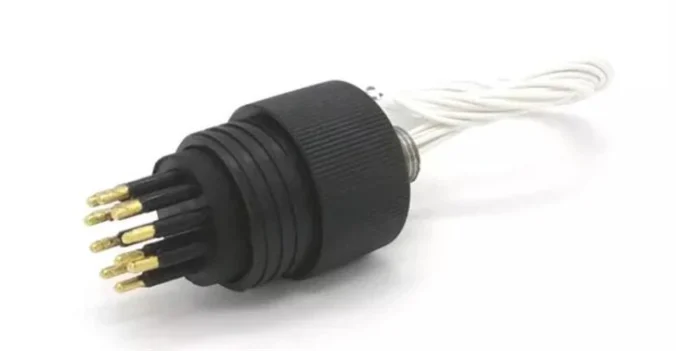
A Micro Flat 7-9 Core Watertight Connector is a compact electrical connector designed to accommodate multiple conductors within a flat or low-profile housing. Depending on the design, it may contain seven, eight, or nine electrical cores, allowing several power or signal connections to pass through a single connection point.
The term “watertight” refers to the connector’s ability to resist water entering the connection area when properly installed and used within its specified conditions. Sealing components, protective materials, and secure mating mechanisms work together to help protect the electrical contacts from moisture and environmental exposure.
The flat profile is particularly useful where equipment has limited internal space. Instead of requiring several separate connectors, one multi-core connector can simplify wiring and reduce the overall footprint of the connection system.
1. Improved Protection Against Water Ingress
The most important benefit of a Micro Flat 7-9 Core Watertight Connector is its ability to help protect electrical connections from water exposure. Underwater equipment may encounter rain, splashing, condensation, immersion, or pressurized water, depending on its application.
A properly selected and installed watertight connector helps reduce the risk of moisture reaching the contacts. This can support more reliable electrical performance and reduce the likelihood of corrosion, short circuits, and connection failures.
However, protection depends on the connector’s actual specifications. Buyers should check the manufacturer’s sealing rating, operating depth, and installation requirements rather than assuming every watertight connector is suitable for deep-water use.
2. Compact Design for Limited Installation Space
Underwater equipment often contains cameras, sensors, batteries, control boards, and communication systems inside compact housings. Space is limited, so every component must be carefully selected.
The flat design of this connector makes it useful for applications where a traditional round connector may be difficult to install. Its low-profile shape can help engineers organize wiring more efficiently and make better use of available space.
This is especially valuable in compact underwater vehicles, inspection tools, and scientific instruments where reducing the size of the electrical assembly can improve the overall equipment design.
3. Multiple Electrical Connections in One Housing
A multi-core connector can carry several electrical connections through one mating interface. This may include power, control signals, sensor outputs, or communication lines, depending on the connector’s electrical configuration.
Combining multiple conductors into one connection point can simplify wiring and reduce the number of separate interfaces required. Fewer connection points may also make assembly more straightforward and help create a cleaner internal layout.
Before selecting a connector, engineers should confirm the number of cores, contact arrangement, voltage rating, current capacity, and signal requirements. These details are essential for ensuring compatibility with the equipment.
4. Reliable Performance in Harsh Marine Environments
Saltwater is particularly challenging for electrical components because it can accelerate corrosion and damage exposed contacts. Underwater equipment may also experience vibration, temperature changes, and repeated movement during operation.
A suitable watertight connector can help protect the connection from these environmental stresses when its materials and sealing system are appropriate for the application. This makes it useful for marine electronics, underwater sensors, and equipment used in coastal or offshore environments.
For demanding installations, users should also consider corrosion-resistant materials, contact plating, and the connector’s resistance to mechanical stress. These factors can influence long-term reliability just as much as the sealing design.
5. Easier Equipment Assembly and Maintenance
Electrical connections can be difficult to manage inside compact underwater housings. A connector that combines several conductors into one interface may make installation more organized and reduce wiring complexity.
This can be helpful during equipment assembly, testing, and maintenance. If a connection needs to be disconnected, a properly designed multi-core interface may allow technicians to work with fewer individual wires.
Good connector design can also support consistent assembly procedures, which is important when equipment is manufactured in batches or maintained across multiple locations.
6. Support for Underwater Sensors and Monitoring Systems
Many underwater systems depend on electrical connections to transfer power and data between sensors, control units, and recording equipment. Examples include water-quality monitors, oceanographic instruments, underwater cameras, and environmental measurement devices.
A Micro Flat 7-9 Core Connector may be suitable for these systems when its electrical and environmental specifications match the application. Its multi-core configuration can support several connections within a compact assembly, helping engineers manage complex equipment layouts.
For sensor applications, signal integrity is especially important. Users should verify whether the connector is suitable for the required signal type, frequency, and electrical performance.
7. Useful for Remotely Operated Underwater Equipment
Remotely operated vehicles and underwater inspection systems often require connections for cameras, lighting, motors, sensors, and control electronics. These systems may operate in confined spaces and must maintain reliable connections during movement.
A compact multi-core watertight connector can help simplify the electrical architecture of such equipment. It may also support easier integration of multiple functions within a single housing.
The connector should always be selected according to the vehicle’s operating depth, pressure conditions, electrical load, and mechanical requirements. A connector suitable for shallow-water equipment may not be appropriate for deep-water applications.
8. Important Factors to Consider Before Buying
Choosing the right connector involves more than checking the number of cores. Buyers should evaluate the following specifications:
Core count: Confirm whether seven, eight, or nine conductors are required.
Electrical rating: Check voltage, current, and signal requirements.
Waterproof performance: Review the manufacturer’s sealing and immersion specifications.
Operating depth: Ensure the connector is rated for the intended underwater environment.
Material quality: Consider corrosion resistance and durability.
Mating design: Look for a secure connection suitable for the equipment.
Cable compatibility: Confirm that the connector matches the cable size and type.
Installation requirements: Follow the manufacturer’s instructions for sealing and assembly.
These checks can help prevent compatibility problems and improve the reliability of the finished equipment.
Why Choose Hysfsubsea for Underwater Connector Solutions?
Hysfsubsea is a brand associated with underwater electrical connection solutions, including compact multi-core watertight connector designs. Its product range may be of interest to engineers, marine equipment manufacturers, and underwater technology developers looking for reliable connection options. More Visit: https://hysfsubsea.com/
When evaluating Hysfsubsea products, buyers should review the specific connector model, technical specifications, sealing performance, and application requirements. Selecting the correct product for the intended environment is essential for achieving dependable results.
Conclusion
Underwater equipment requires electrical connections that can perform reliably in challenging environments. A Micro Flat 7-9 Core Watertight Connector can offer several advantages, including water resistance, compact installation, multiple electrical connections, and improved wiring organization.
Whether used in marine sensors, underwater cameras, remotely operated vehicles, or monitoring systems, the right connector can contribute to better equipment performance and easier maintenance.
However, successful installation depends on choosing a product that matches the required electrical ratings, sealing specifications, and operating conditions. By carefully reviewing these factors, engineers can select a connection solution that supports the reliability and efficiency of their underwater equipment.
