
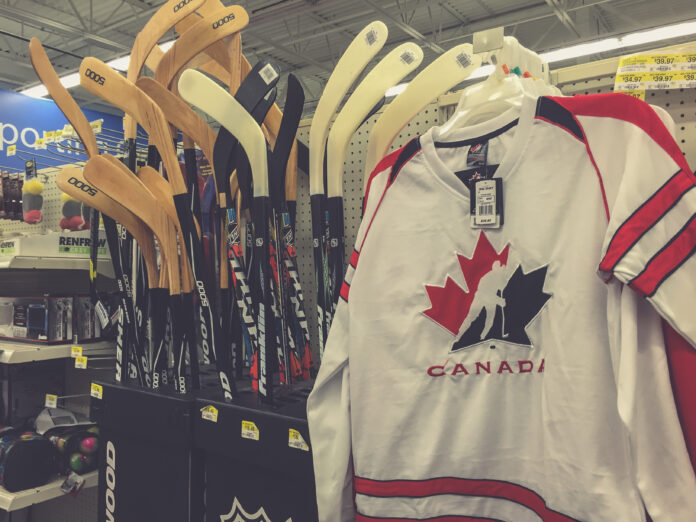
Choosing the right Hockey Gear Canada is one of the most important steps for anyone who plays hockey. Whether you are a beginner learning the basics, a recreational player joining a local league, or an experienced athlete competing at a high level, properly selected equipment can improve comfort, mobility, confidence, and safety.
With so many brands, styles, sizes, and price points available, making the right choice can sometimes feel overwhelming. Understanding what to look for in each piece of equipment makes the buying process much easier.
Start With Your Position and Playing Style
Before purchasing equipment, consider your position and playing style. Hockey players have different requirements depending on whether they play forward, defense, or goaltender. Forwards may prioritize lightweight equipment and mobility because they frequently move quickly across the ice. Defensemen may want equipment that provides additional protection while still allowing them to skate and handle the puck comfortably.
Your experience level also matters. Beginners generally do not need the most expensive professional-level equipment. Instead, they should focus on proper fit, reliable protection, and comfort. More experienced players may have specific preferences based on their skating style, position, and competitive requirements.
Focus on Proper Fit
One of the most important factors when selecting hockey gear Canada is the fit. Equipment that is too loose can move around during play and reduce protection, while equipment that is too tight may restrict movement and cause discomfort.
Different manufacturers can have slightly different sizing systems, so players should check individual size charts instead of assuming their usual clothing size will work. Trying equipment on whenever possible is helpful. When wearing protective gear, move your arms, bend your knees, and simulate skating movements to determine whether the equipment stays comfortably in place.
For younger players, parents should pay particular attention to growth. Although buying equipment with some room for growth can be practical, oversized protective equipment can compromise fit and performance. The goal should be a secure fit that provides room for natural movement without excessive looseness.
Choose the Right Hockey Skates
Skates are arguably one of the most important purchases because they directly affect skating ability. A good pair should provide appropriate support around the foot and ankle while allowing comfortable movement.
When selecting skates, consider foot shape, width, stiffness, and overall comfort. Players should wear the type of hockey socks they normally use when trying on skates. The heel should remain secure without excessive movement, while the toes should not feel painfully compressed.
Breaking in new skates also takes time. Players should not assume that uncomfortable skates will automatically become perfect after several uses. Persistent pressure points or significant discomfort may indicate that a different size or model is needed.
Select Protective Equipment Carefully
Hockey involves speed, physical contact, and hard surfaces, making protective equipment essential. Helmets, shoulder pads, elbow pads, gloves, pants, shin guards, and protective accessories all contribute to player safety.
The helmet deserves particular attention because it protects the head. Players should select an appropriately certified helmet and make sure it fits securely according to the manufacturer’s instructions. A helmet should not move excessively when the player shakes their head or moves around.
Shoulder pads should protect the chest, shoulders, and upper back without limiting arm movement. Elbow pads need to stay securely positioned while allowing natural bending of the arms. Shin guards should cover the lower legs properly and remain stable during skating.
Pay Attention to Hockey Gloves
Gloves provide protection while allowing players to grip the stick, pass, shoot, and control the puck. The correct glove should feel secure but should not make the fingers feel cramped.
Players should be able to flex their fingers naturally while maintaining a comfortable grip. The cuff should also provide suitable wrist coverage without restricting movement. Since gloves can experience significant wear, inspect the palms, stitching, and protective padding regularly.
For players who practice frequently, durability can be just as important as initial comfort. A well-made glove that maintains its shape and protection through regular use can provide better long-term value.
Pick a Stick Based on Your Needs
The hockey stick you choose can influence shooting, passing, puck control, and overall feel. Important factors include stick length, flex, curve, kick point, shaft shape, and material.
Stick flex should generally correspond to the player’s size and strength. A stick that is too stiff may be difficult for some players to load effectively, while one that is too flexible may not provide the desired response.
Blade curves also influence puck handling and shooting characteristics. Beginners may benefit from choosing a versatile curve rather than focusing on specialized performance characteristics. As players gain experience, they can experiment with different specifications to find what suits their style.
Consider Your Budget
Quality equipment does not always mean buying the most expensive option available. Establishing a realistic budget can help narrow down choices while preventing unnecessary purchases.
When building Hockey Gear Canada selections, prioritize essential protective equipment and proper fit before spending extra money on cosmetic features or advanced technologies. Beginners may also consider previous-season models, which can sometimes offer useful features at lower prices.
However, used equipment should be inspected carefully. Look for damaged padding, cracked plastic, worn straps, loose stitching, and other signs of excessive wear. Protective equipment that has been heavily damaged may not provide appropriate protection.
Think About Canadian Playing Conditions
Hockey is deeply connected to Canadian sports culture, and players may participate in indoor arenas, outdoor rinks, school programs, community leagues, or competitive organizations. These different environments can influence equipment needs.
Players who frequently use outdoor rinks may want to consider clothing and accessories that help them remain comfortable in colder conditions. Indoor players may place greater emphasis on ventilation, lightweight equipment, and moisture management.
It is also important to understand the requirements of the specific league or organization. Some programs have equipment standards or rules regarding helmets, protective accessories, stick specifications, and other gear.
Maintain Equipment Regularly
Buying good equipment is only the beginning. Regular maintenance can extend its useful life and help preserve performance.
After each session, allow equipment to dry thoroughly instead of leaving it inside a closed hockey bag. Moisture can contribute to unpleasant odors and deterioration over time. Inspect straps, buckles, stitching, blades, and protective components regularly.
Skates should be dried after use, while blades should be protected when transporting them outside the rink. Sticks should also be checked for cracks or damage, especially after games involving physical contact.
Shop From a Reliable Hockey Retailer
The retailer you choose can make the shopping process easier. A knowledgeable hockey retailer can help players compare equipment, understand sizing, and identify products suited to their experience level.
When evaluating Hockey Gear Canada options, look beyond price alone. Consider product quality, available sizing, return policies, customer support, and whether the retailer carries equipment appropriate for your playing needs.
About sportsexcellence
Sportsexcellence is a hockey and sports equipment brand that provides players with access to a broad selection of hockey products and sporting essentials. Its product range can help players explore equipment for different skill levels and playing requirements.
When shopping for hockey essentials, customers can use Sportsexcellence as one source for comparing equipment options, sizes, and features before making their final selections.
Conclusion
Choosing the right hockey equipment requires more than simply selecting the newest or most expensive products. Players should consider their position, experience, body size, playing environment, budget, and personal preferences. Proper fit should remain a priority, particularly for protective equipment such as helmets, shoulder pads, elbow pads, gloves, pants, and shin guards.
Taking time to compare products and understand their features can make the purchasing process more straightforward. Regular maintenance is equally important because properly cared-for equipment can remain comfortable and functional for longer. With thoughtful selection and proper fitting, players can build an equipment setup that supports confident movement and enjoyable time on the ice.
