
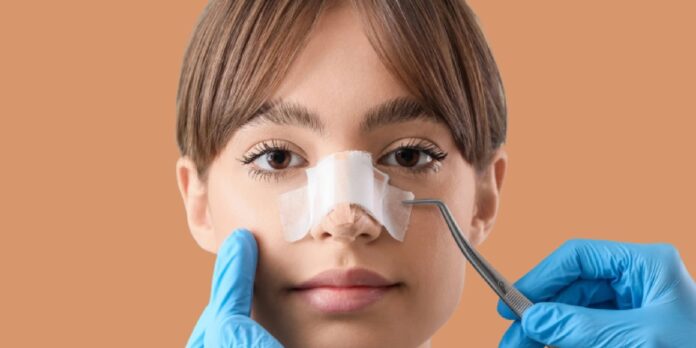
Introduction: Understanding Rhinoplasty and Choosing the Right Surgeon
Finding the Best Rhinoplasty Surgeons in Dubai is an important step for anyone considering nose reshaping to improve facial balance, refine nasal features, or address certain structural concerns. Rhinoplasty is a specialised surgical procedure that focuses on changing the shape, size, or proportions of the nose. Depending on individual needs, it may involve refining the nasal tip, adjusting the bridge, improving symmetry, or addressing internal structures that affect breathing. A carefully planned procedure considers both appearance and nasal function.
Interest in Rhinoplasty Dubai continues to grow as individuals explore personalised cosmetic treatments and modern surgical approaches. People considering Rhinoplasty in Dubai often want to understand the available techniques, surgeon qualifications, consultation process, recovery expectations, and financial considerations before making a decision. Learning about these factors can help patients approach the procedure with realistic expectations and greater confidence.
Choosing an appropriate Rhinoplasty clinic in Dubai is equally important. Patients should consider professional qualifications, relevant surgical experience, patient communication, facility standards, and postoperative care. At Perfect Doctors Clinic, individuals can discuss their aesthetic goals and explore the considerations involved in developing a personalised rhinoplasty plan.
What Is Rhinoplasty Surgery?
Rhinoplasty surgery is a procedure designed to reshape the nose according to a patient’s individual needs. It can involve changes to the nasal bridge, tip, nostrils, or other structural features. Some patients seek cosmetic improvements, while others consider surgery to address structural irregularities or breathing-related concerns.
The nose plays a central role in facial appearance. Its shape and proportions influence the relationship between the eyes, cheeks, lips, and chin. For this reason, rhinoplasty planning should consider the entire face rather than focusing only on the nose.
Cosmetic Goals of Rhinoplasty
Cosmetic rhinoplasty may address several concerns, including:
- A prominent or uneven nasal bridge.
- A rounded, broad, or less defined nasal tip.
- Asymmetrical nasal features.
- A nose that appears disproportionate to other facial features.
- Nostrils that appear wider than desired.
- Irregularities resulting from previous injury.
The appropriate changes depend on the patient’s anatomy and expectations. The aim should be to create a balanced appearance while respecting natural facial characteristics.
Functional Goals of Rhinoplasty
Some individuals experience breathing difficulties associated with internal nasal structures. In selected cases, functional procedures may be considered alongside cosmetic changes.
A professional assessment can help identify whether concerns involve the nasal septum, nasal valves, or other anatomical features. Patients should explain any history of nasal obstruction, previous injuries, or breathing problems during their consultation.
How to Identify the Best Rhinoplasty Surgeons in Dubai
Selecting the Best rhinoplasty surgeons in Dubai requires more than looking at online advertisements or attractive surgical photographs. Rhinoplasty involves detailed anatomical knowledge, surgical judgement, and an understanding of facial proportions. Patients should evaluate several factors before choosing a surgeon.
Review Professional Qualifications
A surgeon’s education, specialist training, professional registration, and relevant experience should be among the first considerations. Patients can ask about qualifications and whether the surgeon has experience performing the type of rhinoplasty they are considering.
It is also important to understand who will perform the procedure and who will be responsible for anaesthesia and postoperative monitoring.
Consider Relevant Surgical Experience
Different rhinoplasty cases require different techniques. Refining a nasal tip may involve different considerations from reducing a prominent bridge or correcting structural irregularities.
Patients should ask about the surgeon’s experience with similar procedures and discuss how their particular nasal features may influence the treatment plan.
Review Before-and-After Photographs
Looking at Rhinoplasty before and after photographs can help patients understand the range of changes that may be achieved through surgery. Images may demonstrate differences in bridge shape, tip definition, nasal symmetry, and facial proportions.
However, photographs should be interpreted carefully. Camera angles, lighting, facial expressions, and image selection can affect the appearance of results. Patients should ask whether the examples represent cases with similar starting features and treatment goals.
Evaluate Communication and Patient Care
A good consultation should provide clear information about the procedure, possible limitations, recovery, and expected outcomes. Patients should feel comfortable asking questions and discussing their preferences.
The surgeon should explain which changes may be appropriate and whether certain expectations need to be adjusted according to the patient’s anatomy.
Understanding Rhinoplasty in Dubai: The Consultation Process
Consultation is a central part of planning Rhinoplasty in Dubai. It allows the surgeon to assess the nose, understand the patient’s goals, review medical history, and discuss possible treatment approaches.
At Perfect Doctors Clinic, patients can use the consultation process to discuss their concerns and learn about the considerations involved in personalised rhinoplasty planning.
Initial Assessment and Medical History
The surgeon may ask about previous nasal procedures, injuries, breathing difficulties, allergies, medications, and general health. This information helps determine whether additional evaluation is required and whether surgery may be appropriate.
Patients should provide accurate information about their medical background. They should also mention any previous cosmetic treatments involving the nose or surrounding facial areas.
Discussing Desired Nasal Changes
Patients should explain which features they would like to improve. For example, someone may want a smoother bridge, while another person may be more concerned about nasal tip definition or asymmetry.
It can be helpful to bring reference photographs to communicate preferences. However, the surgeon should explain that the exact appearance in a reference image may not be achievable because every person has different anatomy.
Developing a Personalised Treatment Plan
The treatment plan should reflect the patient’s facial proportions, nasal structure, skin characteristics, and desired changes. The surgeon may discuss the benefits and limitations of different techniques before recommending an approach.
A personalised plan helps patients understand what surgery involves and what outcomes may reasonably be expected.
Rhinoplasty Treatment Options and Surgical Techniques
There are several Rhinoplasty treatment options available, and the appropriate technique depends on the patient’s anatomy and goals. The surgeon considers the amount of reshaping required, the underlying cartilage and bone structure, and whether functional concerns also need attention.
Open Rhinoplasty Technique
Open rhinoplasty involves an incision across the columella, the tissue between the nostrils, along with internal incisions. This approach provides access to the underlying nasal structures and may be considered when detailed reshaping is required.
It can be useful in selected cases involving complex tip refinement, structural adjustments, or more extensive changes. The suitability of this method depends on the individual procedure.
Closed Rhinoplasty Technique
Closed rhinoplasty uses incisions placed inside the nostrils. This technique may be suitable for selected patients whose treatment goals can be achieved through an internal surgical approach.
The decision between open and closed rhinoplasty depends on the planned changes, anatomical requirements, and the surgeon’s assessment. Neither technique is automatically suitable for every patient.
Tip Rhinoplasty
Tip rhinoplasty focuses on the lower part of the nose. It may be considered by patients who want to improve the definition, shape, or symmetry of the nasal tip.
The surgeon evaluates cartilage structure, skin thickness, and existing support before recommending a technique. These factors influence how the tip may respond to surgical changes.
Revision Rhinoplasty
Revision rhinoplasty may be considered when a patient has previously undergone nose surgery and remains concerned about the appearance or function of the nose.
Such procedures can involve additional complexity because the internal structures may have changed during the earlier operation. A detailed examination and discussion of previous surgical records may help determine the available options.
Functional Rhinoplasty
Functional rhinoplasty focuses on structural concerns that may affect nasal airflow. Depending on the cause, treatment may involve correcting selected internal irregularities or improving structural support.
Patients experiencing breathing difficulties should receive an appropriate medical assessment rather than assuming that cosmetic reshaping alone will resolve the problem.
Rhinoplasty Procedures in Dubai: What Can Be Improved?
Different Rhinoplasty procedures in Dubai may focus on specific nasal features. Understanding these areas can help patients communicate their goals more clearly during consultation.
Nasal Bridge Reshaping
The nasal bridge is an important part of the side profile. Some individuals want to reduce a prominent hump, while others may want to improve uneven contours.
The surgeon assesses the underlying bone and cartilage before determining how much refinement may be suitable. Maintaining appropriate proportions is essential to achieving a balanced appearance.
Nasal Tip Refinement
The nasal tip can influence the overall character of the nose. Treatment may involve adjusting cartilage position or improving definition, depending on the existing structure.
Skin thickness can influence the visibility of the final result. Patients should discuss these anatomical factors before deciding on a particular outcome.
Nostril Shape and Width
Some patients are concerned about the width or shape of their nostrils. In selected cases, the nasal base may be adjusted as part of a wider rhinoplasty plan.
These changes require careful consideration because the nostrils should remain proportionate to the nasal tip and the rest of the face.
Correcting Nasal Asymmetry
Nasal asymmetry may result from natural anatomy, previous injury, or earlier surgery. The surgeon evaluates the underlying cause before discussing possible corrections.
Complete symmetry may not be realistic for every patient. The goal is to determine whether meaningful improvement is possible while maintaining suitable structural support.
Nose Surgery in Dubai: A Guide to Planning Your Procedure
People researching Nose Surgery in Dubai should understand that choosing surgery involves several decisions beyond selecting a desired nose shape. Patients should consider the surgeon’s experience, treatment facility, surgical approach, recovery arrangements, and follow-up care.
A detailed consultation can help explain what the procedure involves and whether it is appropriate for the patient’s individual needs.
Choosing the Right Surgical Approach
The surgical approach should be based on the patient’s nasal anatomy and treatment goals. Some people may need limited refinement, while others may require more detailed structural adjustments.
Patients should ask why a particular technique is recommended and whether alternative approaches are suitable. Understanding the reasoning behind the treatment plan can make the decision-making process clearer.
Considering Appearance and Function Together
The nose has both aesthetic and functional roles. Surgical planning should consider how changes to the external shape may relate to internal structures and airflow.
Patients who experience nasal obstruction should mention it during consultation. A suitable assessment can help determine whether functional treatment needs to be considered.
Understanding the Surgical Setting
Patients should ask where the procedure will take place and what arrangements are available for anaesthesia, monitoring, and postoperative support.
They should also understand who to contact if they have questions or concerns during recovery.
Rhinoplasty Cost in Dubai: Factors That Influence Pricing
The Rhinoplasty cost in Dubai varies according to the complexity of the procedure, the surgical technique, professional fees, facility arrangements, and individual treatment requirements. Since patients have different nasal structures and goals, the final estimate should be based on a personalised assessment.
It is important to understand what is included in a treatment quotation before making a decision.
Procedure Complexity
A straightforward reshaping procedure may involve different resources from a complex structural or revision procedure. The extent of the required changes can influence the time, planning, and expertise involved.
Surgeon’s Experience and Professional Fees
The surgeon’s qualifications, relevant experience, and professional fees may contribute to the total cost. Patients should consider the quality and suitability of care rather than making decisions based on price alone.
Facility and Anaesthesia Arrangements
The surgical facility, anaesthesia services, and monitoring arrangements may form part of the overall treatment estimate. Patients should ask for a clear breakdown of these costs.
Follow-Up and Postoperative Care
Follow-up appointments are an important part of the surgical journey. Patients should confirm whether postoperative reviews, dressings, and other related services are included in the quoted amount.
Nose Surgery Cost in Dubai: What Should Patients Ask?
When comparing Nose Surgery cost in Dubai, it is useful to review the details of each quotation rather than focusing only on the advertised starting price.
Patients can ask the following questions:
- Does the estimate include the surgeon’s professional fee?
- Are anaesthesia and facility charges included?
- Are postoperative appointments part of the package?
- Are medications or dressings included?
- Could additional procedures affect the total cost?
- What services may require separate payment?
A clear explanation of the financial arrangements can help patients plan appropriately and avoid unexpected expenses.
Preparing for Rhinoplasty Surgery
Preparation helps patients understand what to expect before the procedure and how to organise their recovery. Once surgery has been considered appropriate, the healthcare team may provide specific instructions.
Review Medications and Health Information
Patients should provide a complete list of prescribed medications, over-the-counter products, and supplements. Some medicines may need to be reviewed before surgery, but patients should never stop prescribed treatment without professional advice.
Any recent illness, infection, or change in health should also be discussed with the surgical team.
Follow Preoperative Instructions
Instructions may cover eating, drinking, medication use, arrival time, and other preparation requirements. Patients should follow these directions carefully.
If general anaesthesia is planned, fasting instructions are particularly important.
Arrange Practical Support
Patients may need someone to accompany them home after the procedure, depending on the anaesthesia and discharge arrangements. It can also be helpful to organise assistance with daily activities during the initial recovery period.
Preparing a comfortable resting area and keeping essential items nearby may make the first few days easier.
Rhinoplasty Recovery: Understanding the Healing Timeline
Rhinoplasty recovery is a gradual process that varies between individuals. The timeline depends on the surgical technique, the extent of reshaping, personal health, and the body’s healing response.
Patients should understand that the nose may look different during the early stages of healing. Swelling can temporarily affect its shape, and the initial appearance should not be considered the final outcome.
The First Few Days After Surgery
During the early recovery period, patients may experience swelling, bruising, congestion, and temporary discomfort. The surgeon may provide instructions about cleaning, medication, sleeping position, and caring for a splint or dressing.
Patients should avoid touching or pressing the nose unless specifically instructed.
Returning to Work and Daily Activities
The time needed before returning to work or normal activities depends on the procedure and individual healing. Patients should follow professional advice regarding exercise, bending, lifting, and activities that may cause accidental impact.
Contact sports and activities with a risk of nasal injury may need to be avoided for an extended period.
Long-Term Healing and Follow-Up
Swelling usually improves gradually, but subtle changes can continue over several months. The nasal tip may take longer to settle than other areas.
Follow-up appointments allow the surgeon to monitor healing, evaluate progress, and answer questions about the recovery process.
Rhinoplasty Before and After: Evaluating Possible Outcomes
Reviewing Rhinoplasty before and after photographs can help patients understand the types of refinements that may be possible. Images may demonstrate changes to the nasal bridge, tip, nostrils, and overall profile.
However, every patient has unique anatomical features. Photographs should be used as a communication tool rather than a guarantee that an identical outcome can be achieved.
Look for Balanced Facial Proportions
A successful treatment plan should consider how the nose relates to the rest of the face. The forehead, cheeks, lips, and chin all contribute to facial balance.
A proportionate result may involve subtle changes rather than dramatic reshaping. Patients should discuss how the proposed adjustments may affect their overall appearance.
Understand Individual Anatomical Differences
Skin thickness, cartilage strength, bone structure, and healing patterns influence surgical outcomes. Two patients undergoing similar procedures may experience different results.
The surgeon should explain these differences during consultation and discuss which improvements may be realistic.
Rhinoplasty Results: What Influences the Final Appearance?
Rhinoplasty results depend on the surgical plan, the patient’s anatomy, the technique used, and the healing process. While some changes may become visible relatively early, the nose continues to settle over time.
Maintaining Natural Nasal Structure
The nose requires suitable cartilage and structural support. Surgical planning should consider how reshaping may affect the underlying framework and the appearance of the nose over time.
Reducing size is not the only objective. Maintaining proportion and appropriate support is also important.
Following Postoperative Advice
Patients should follow instructions about nasal care, activity restrictions, and follow-up appointments. Protecting the nose from accidental impact during healing is particularly important.
If unexpected symptoms or concerns occur, patients should contact their healthcare team rather than relying on online advice.
Best Rhinoplasty Surgeons in Dubai: Important Questions to Ask
When comparing the Best Rhinoplasty surgeons in Dubai, patients can use their consultation to evaluate the surgeon’s approach and the information provided.
Consider asking:
- What qualifications and specialist training do you have in rhinoplasty?
- How frequently do you perform procedures similar to mine?
- Which surgical technique do you recommend and why?
- What changes are realistic for my nasal structure?
- How could the procedure affect nasal breathing?
- What should I expect during recovery?
- Where will the surgery take place?
- What follow-up arrangements are provided?
- What does the treatment quotation include?
- What are the limitations of the proposed procedure?
The answers can help patients understand the treatment process and decide whether they feel comfortable proceeding.
Dr perfect celebrity: Understanding Celebrity-Inspired Rhinoplasty Searches
The keyword Dr perfect celebrity may appear in searches connected with cosmetic surgery, public figures, or celebrity-inspired facial appearances. Patients should approach such searches with realistic expectations and avoid choosing a surgical outcome solely because it resembles a celebrity’s nose.
Every individual has different facial proportions, skin characteristics, cartilage structure, and personal preferences. A nose that suits one person may not create the same balance on another face.
Instead of requesting an exact copy of a celebrity’s appearance, patients should identify the features they like and discuss whether similar refinements may be suitable for their own anatomy. The consultation process at Perfect Doctors Clinic can help individuals explore their goals and understand the considerations involved in personalised rhinoplasty planning.
Why Consider a Perfect Doctors Clinic for Rhinoplasty Planning?
Choosing a clinic for consultation is an important part of the decision-making process. Perfect Doctors Clinic is the clinic reference for patients researching rhinoplasty in this article. Individuals considering treatment should use their consultation to understand the available approach, professional care arrangements, and factors that may influence their procedure.
Discussing Individual Aesthetic Goals
Patients may have different priorities, such as improving bridge definition, refining the nasal tip, addressing asymmetry, or exploring functional concerns.
A discussion of these goals can help establish which changes may be appropriate and whether they can be achieved while maintaining suitable nasal structure.
Understanding the Treatment Journey
Before agreeing to surgery, patients should understand the consultation process, surgical arrangements, recovery requirements, and follow-up care. They should also have an opportunity to discuss financial considerations and ask questions about the proposed procedure.
Making an Informed Decision
Rhinoplasty is a personal decision that should be made after reviewing reliable information and receiving appropriate professional advice. Patients should feel comfortable taking time to consider the available options before proceeding.
Conclusion: Making an Informed Rhinoplasty Decision
Choosing the Best Rhinoplasty Surgeons in Dubai involves careful research, a detailed consultation, and realistic expectations about surgical outcomes. Patients should consider professional qualifications, relevant experience, treatment techniques, facility standards, and postoperative support before selecting a suitable approach.
Understanding Rhinoplasty Dubai, comparing appropriate Rhinoplasty treatment options, and learning about Rhinoplasty recovery can help individuals prepare for each stage of the procedure. Reviewing Rhinoplasty before and after examples and discussing expected Rhinoplasty results can also provide a clearer picture of the possible changes.
For individuals exploring Nose Surgery in Dubai, it is equally important to understand the treatment estimate and ask what is included in the Nose Surgery cost in Dubai. At Perfect Doctors Clinic, patients can discuss their concerns and explore the considerations involved in personalised rhinoplasty planning. A well-informed decision should always prioritise individual anatomy, professional guidance, appropriate care, and achievable goals.
Frequently Asked Questions About the Best Rhinoplasty Surgeons in Dubai
1. How Can I Find the Best Rhinoplasty Surgeon in Dubai?
Review professional qualifications, specialist training, relevant surgical experience, and patient communication. You can also ask about similar procedures, examine appropriate before-and-after examples, and discuss your expectations during a consultation. The right choice should be based on reliable information and suitability for your individual needs.
2. What Is Included in Rhinoplasty Surgery?
Rhinoplasty surgery may involve reshaping the nasal bridge, refining the tip, adjusting the nostrils, improving symmetry, or addressing selected structural concerns. The exact procedure depends on the patient’s anatomy and treatment goals.
3. How Much Does Rhinoplasty Cost in Dubai?
The Rhinoplasty cost in Dubai depends on procedure complexity, surgical technique, professional fees, facility arrangements, and individual treatment requirements. A personalised consultation can provide a more accurate estimate and explain which services are included.
4. What Are the Main Rhinoplasty Treatment Options?
Options may include open rhinoplasty, closed rhinoplasty, tip refinement, revision rhinoplasty, and functional procedures. The surgeon recommends an approach after assessing the nasal structure and discussing the patient’s priorities.
5. Is Rhinoplasty Suitable for Improving Nasal Breathing?
Some rhinoplasty procedures may be combined with functional treatment when structural problems affect airflow. However, the cause of breathing difficulties must be assessed before an appropriate treatment plan can be recommended.
6. How Long Does Rhinoplasty Recovery Take?
Initial recovery commonly takes a few weeks, although individual timelines vary. Swelling gradually decreases, while subtle swelling may remain for several months. Patients should follow their surgeon’s advice about exercise, work, and other daily activities.
7. When Will I See My Final Rhinoplasty Results?
The appearance of the nose changes as swelling reduces and tissues heal. Some improvements may be visible early, but the final result can take several months or longer to become clear, particularly around the nasal tip.
8. What Should I Look for in Rhinoplasty Before-and-After Photos?
Look for examples that demonstrate changes relevant to your own concerns, such as bridge refinement, tip definition, or improved symmetry. Remember that lighting, angles, and anatomical differences can influence photographs, so images should not be treated as guaranteed outcomes.
9. Is Open Rhinoplasty Better Than Closed Rhinoplasty?
Neither approach is universally better. Open rhinoplasty provides broader access to the nasal structures, while closed rhinoplasty uses internal incisions. The appropriate technique depends on the patient’s anatomy, the planned changes, and the surgeon’s assessment.
10. Why Is a Consultation Important Before Rhinoplasty?
A consultation allows the surgeon to evaluate nasal anatomy, review medical history, understand treatment goals, and discuss suitable techniques. It also gives patients an opportunity to ask about recovery, possible limitations, expected outcomes, and costs before making a decision.
