
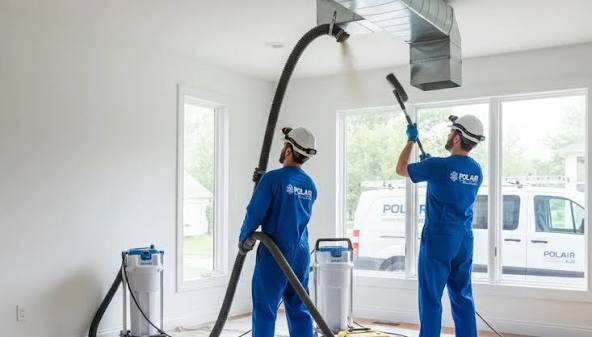
Indoor air quality plays a major role in the comfort and health of every home. While many homeowners focus on vacuuming floors or replacing air filters, the condition of the air duct system is often overlooked. Dust, pet dander, pollen, and other debris can gradually collect inside ductwork, affecting airflow and potentially reducing HVAC efficiency. Understanding the importance of air duct cleaning can help homeowners make informed decisions about maintaining a healthier indoor environment.
A clean duct system does not guarantee perfect indoor air quality, but it can contribute to better airflow and reduce the circulation of accumulated contaminants. Whether you have recently completed a home renovation, moved into an older property, or noticed excessive dust around your home, evaluating the condition of your ductwork is a practical step toward maintaining a cleaner living space.
Understanding Air Duct Cleaning and Why It Matters
Air duct cleaning involves removing dust, dirt, and debris from the ductwork that distributes heated or cooled air throughout a building. Professional technicians typically clean supply and return ducts, registers, grilles, diffusers, and other accessible HVAC components using specialized equipment.
Over time, contaminants naturally settle inside the duct system. While a small amount of dust is expected, larger accumulations may restrict airflow or become a source of recurring dust throughout the home.
Several situations make duct cleaning especially worthwhile:
- After major home remodeling projects
- Following water damage or mold remediation
- When moving into an older home with an unknown maintenance history
- If pests have entered the duct system
- When excessive dust quickly returns after regular cleaning
Properly maintained ductwork also allows heating and cooling systems to operate more efficiently by reducing unnecessary airflow restrictions.
How Air Duct Cleaning Works
Professional cleaning follows a systematic process designed to remove contaminants without spreading them throughout the home.
Step 1: Initial Inspection
Technicians begin by inspecting the HVAC system and ductwork. They may use cameras or specialized tools to identify dust buildup, damaged ducts, or other issues that require attention before cleaning begins.
Step 2: Protecting the Home
Furniture and flooring around work areas are protected. Registers are carefully removed, and the system is prepared to prevent debris from escaping into living spaces.
Step 3: Creating Negative Air Pressure
Powerful vacuum equipment creates negative pressure throughout the duct system. This allows loosened debris to be safely collected rather than released into the home.
Step 4: Removing Dust and Debris
Rotating brushes, compressed air tools, and other specialized equipment dislodge accumulated dirt from the interior surfaces of the ducts while the vacuum system captures the debris.
Step 5: Cleaning HVAC Components
Many professionals also clean accessible components such as registers, vents, blower assemblies, and other system parts that collect dust over time.
Step 6: Final Inspection
Once cleaning is complete, technicians verify that the ductwork is free of visible debris and ensure all system components are properly reassembled before restoring operation.
Signs Your Home May Need Air Duct Cleaning
Homeowners often wonder whether duct cleaning is necessary. While every home differs, several common signs suggest that an inspection may be worthwhile.
Excessive Dust
If furniture becomes dusty shortly after cleaning, accumulated debris inside the duct system could be contributing to the problem.
Visible Dirt Around Air Vents
Dark buildup around supply registers often indicates that dust is circulating through the HVAC system.
Allergy Symptoms Indoors
Although allergies have many causes, reducing airborne dust and allergens within the HVAC system may help improve indoor comfort for sensitive individuals.
Reduced Airflow
Rooms that receive noticeably weaker airflow than others may have obstructions, damaged ducts, or heavy dust accumulation affecting performance.
Unpleasant Odors
Persistent musty or stale odors when the HVAC system operates can sometimes originate from contaminants inside the ductwork.
Common Mistakes Homeowners Make
Many homeowners unintentionally reduce the effectiveness of their HVAC systems by overlooking routine maintenance or making incorrect assumptions.
One common mistake is believing that air ducts require annual cleaning regardless of their condition. In reality, cleaning should be based on inspection findings, household conditions, and specific issues rather than a fixed schedule.
Another mistake is ignoring air filter replacement. A clogged filter allows more particles to accumulate within the system and forces the HVAC equipment to work harder.
Some homeowners also attempt to clean ducts using household vacuum attachments. While vent covers can be cleaned safely, deep duct cleaning requires commercial equipment capable of reaching the entire system.
Hiring companies based solely on the lowest advertised price can also lead to poor results. Extremely low-cost services may only provide superficial cleaning without addressing the complete HVAC system.
Expert Tips for Maintaining Cleaner Air Ducts
Keeping ducts clean begins with preventing contaminants from entering the system in the first place.
Replace HVAC air filters according to the manufacturer’s recommendations. Homes with pets or heavy system usage often require more frequent filter changes.
Schedule routine HVAC maintenance to identify airflow issues before they become significant problems. Preventive maintenance extends equipment life and improves overall performance.
Keep supply and return vents unobstructed by furniture, rugs, or curtains to maintain balanced airflow throughout the home.
Use high-quality vacuum cleaners equipped with HEPA filtration to reduce airborne dust during routine household cleaning.
Control indoor humidity levels because excessive moisture can contribute to mold growth inside HVAC systems. Maintaining appropriate humidity also improves indoor comfort.
Seal leaks in ductwork when they are discovered. Properly sealed ducts reduce dust infiltration from attics, crawl spaces, and other unconditioned areas.
If renovations generate significant drywall dust or construction debris, consider scheduling a professional inspection after the project is complete.
Real-World Example
Imagine a family that recently remodeled their kitchen. During construction, drywall sanding created fine dust that spread throughout the home despite protective coverings. Months later, they noticed dust accumulating quickly on furniture and reduced airflow in several rooms.
After a professional duct inspection, technicians found substantial construction debris inside portions of the duct system. Following a thorough cleaning and replacement of the HVAC filter, the family experienced cleaner vents, improved airflow, and less dust settling throughout the home. While regular housekeeping remained important, maintaining the HVAC system helped improve overall indoor cleanliness.
Conclusion
Air duct cleaning is one part of a comprehensive home maintenance strategy that supports cleaner indoor air and efficient HVAC performance. Understanding when cleaning is appropriate, recognizing warning signs, and following preventive maintenance practices help homeowners make informed decisions instead of relying on unnecessary services.
By combining regular filter replacement, professional HVAC inspections, and responsible duct maintenance when needed, homeowners can create a more comfortable indoor environment while helping their heating and cooling systems operate at their best.
