
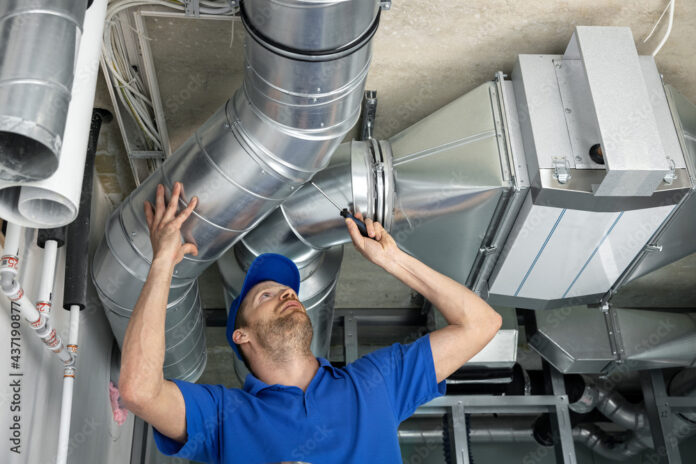
Air duct mold cleaning is an essential process to maintain a healthy indoor environment. Mold growth in air ducts can cause severe health issues, including allergies, respiratory problems, and unpleasant odors. Regular cleaning of air ducts ensures the removal of mold, dust, and other contaminants, leading to improved air quality and overall well-being. In this article, we will discuss the causes of mold in air ducts, its health effects, and the best methods to clean and prevent mold growth. Air duct mold cleaning is crucial for maintaining a safe and comfortable living space.
Causes of Mold Growth in Air Ducts
Mold thrives in damp, dark environments, making air ducts an ideal breeding ground. The primary causes of mold growth in air ducts include:
- Moisture Buildup: High humidity levels and condensation in HVAC systems create a perfect environment for mold.
- Poor Ventilation: Inadequate airflow and ventilation trap moisture inside the ducts, promoting mold growth.
- Leaky Ducts: Cracks and leaks in air ducts allow external moisture to enter, encouraging mold formation.
- Clogged Air Filters: Dirty filters restrict airflow, increasing humidity levels inside the system.
- Lack of Maintenance: Failure to clean and maintain HVAC systems leads to dirt accumulation and mold proliferation.
Health Risks Associated with Mold in Air Ducts
Mold exposure can cause various health issues, particularly for individuals with allergies, asthma, or weakened immune systems. Some of the common health effects include:
- Respiratory Problems: Mold spores can irritate the respiratory tract, leading to coughing, wheezing, and shortness of breath.
- Allergic Reactions: Symptoms such as sneezing, runny nose, itchy eyes, and skin irritation can result from mold exposure.
- Fatigue and Headaches: Prolonged exposure to mold-contaminated air may cause chronic fatigue, headaches, and dizziness.
- Worsening of Asthma Symptoms: Mold can trigger asthma attacks and worsen existing respiratory conditions.
- Unpleasant Odors: Musty and stale air caused by mold can affect indoor comfort and air quality.
Signs of Mold in Air Ducts
Identifying mold in air ducts is crucial to prevent health hazards. Look for the following signs:
- Musty Smell: A persistent, musty odor when the HVAC system is running.
- Visible Mold Growth: Black, green, or white patches inside air vents or ducts.
- Increased Allergies or Respiratory Issues: Family members experiencing more allergy symptoms indoors.
- Dust Accumulation Around Vents: Excess dust and mold spores settling around air registers.
- Unusual HVAC Performance: Reduced airflow or inefficiency in heating and cooling.
How to Clean Mold from Air Ducts
Proper cleaning of air ducts requires a systematic approach to ensure complete mold removal. Follow these steps:
1. Turn Off the HVAC System
Before cleaning, turn off the HVAC system to prevent mold spores from spreading.
2. Inspect and Assess the Extent of Mold Growth
Use a flashlight to check for mold inside the ducts, vents, and air handler.
3. Gather Cleaning Supplies
You will need:
- Protective gear (gloves, mask, goggles)
- HEPA vacuum
- Mold-killing solution (vinegar, hydrogen peroxide, or commercial cleaners)
- Soft-bristle brush
- Microfiber cloth
4. Vacuum the Ducts
Use a HEPA vacuum to remove loose mold, dust, and debris from inside the ducts.
5. Apply Mold Cleaner
Spray a mold-killing solution onto affected areas and let it sit for 10-15 minutes. Scrub gently with a brush.
6. Wipe and Dry the Ducts
Use a microfiber cloth to wipe off the cleaning solution. Ensure complete drying to prevent mold regrowth.
7. Replace Air Filters
Old filters may contain mold spores. Replace them with high-efficiency HEPA filters.
8. Check and Seal Leaks
Seal any leaks in air ducts to prevent future moisture intrusion.
Preventing Mold Growth in Air Ducts
Prevention is key to keeping air ducts mold-free. Follow these tips:
- Maintain Optimal Humidity Levels: Keep indoor humidity below 60% using dehumidifiers.
- Regular HVAC Maintenance: Schedule professional inspections and cleanings at least once a year.
- Use High-Quality Air Filters: HEPA filters help trap mold spores and allergens.
- Improve Ventilation: Ensure proper airflow in all areas of your home.
- Fix Water Leaks Promptly: Address any leaks in the HVAC system or ductwork.
Professional Air Duct Mold Cleaning Services
For extensive mold infestations, it’s best to hire professional air duct cleaning services. Experts use advanced techniques such as:
- Negative Air Pressure Cleaning: A high-powered vacuum removes mold spores efficiently.
- Antimicrobial Treatments: Special solutions prevent mold regrowth.
- Duct Sealing and Insulation: Professionals seal leaks and insulate ducts to prevent moisture buildup.
Additional Benefits of Air Duct Mold Cleaning
Beyond improving air quality and health, regular air duct mold cleaning offers several other benefits. A clean HVAC system operates more efficiently, reducing energy consumption and lowering electricity bills. It also extends the lifespan of the HVAC system by preventing damage caused by mold and dust buildup. Additionally, clean air ducts contribute to a fresher and more pleasant indoor environment, eliminating musty odors and enhancing comfort. Investing in routine air duct cleaning is a proactive step toward maintaining a healthier, more efficient home.
The Importance of Regular Air Duct Inspections
Routine air duct inspections can help detect mold growth early before it becomes a severe problem. Homeowners should schedule periodic assessments of their HVAC systems to identify any signs of moisture buildup, dust accumulation, or airflow issues. By catching potential mold growth early, homeowners can take preventive measures to clean and maintain their air ducts before mold spreads extensively. Additionally, routine inspections contribute to better energy efficiency and system longevity, ensuring a well-functioning HVAC system for years to come.
Routine air duct inspections can help detect mold growth early before it becomes a severe problem. Homeowners should schedule periodic assessments of their HVAC systems to identify any signs of moisture buildup, dust accumulation, or airflow issues. By catching potential mold growth early, homeowners can take preventive measures to clean and maintain their air ducts before mold spreads extensively. Additionally, routine inspections contribute to better energy efficiency and system longevity, ensuring a well-functioning HVAC system for years to come.
Conclusion
Air duct mold cleaning is essential for maintaining a healthy and safe indoor environment. Regular inspections, cleaning, and preventive measures can significantly reduce the risk of mold growth. If you suspect mold in your air ducts, take immediate action to clean and prevent further contamination. For severe cases, seek professional cleaning services to ensure thorough mold removal and improved air quality in your home.
Read More: Air Duct Cleaning
