
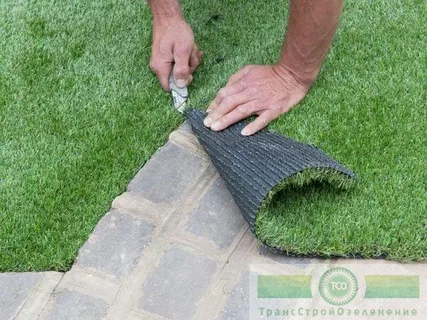
When it comes to choosing the best ground cover for your yard or landscape, the decision between artificial turf and natural grass is a significant one. Both options offer distinct advantages and challenges. Understanding these can help you make an informed choice that best suits your needs. In this comprehensive guide, we’ll compare artificial turf and natural grass to help you determine which is the better choice for your landscape in Baton Rouge, LA.
Understanding Artificial Turf
Artificial turf, also known as synthetic grass, is an engineered surface made from synthetic fibers designed to look like natural grass. It has gained popularity due to its low maintenance requirements and durability.
Advantages of Artificial Turf:
- Low Maintenance: Unlike natural grass, artificial turf requires minimal upkeep. There’s no need for mowing, watering, or fertilizing, which saves time and reduces costs in the long run.
- Durability: Artificial turf is built to withstand heavy use and adverse weather conditions. It maintains its appearance and functionality even in high-traffic areas.
- Consistent Appearance: Artificial grass provides a uniform look year-round. It doesn’t suffer from brown patches or uneven growth like natural grass can, making it an attractive option for many homeowners.
- Water Conservation: By eliminating the need for irrigation, artificial turf helps conserve water, which is particularly beneficial in areas experiencing drought or water restrictions.
- Pest-Free: Synthetic grass does not attract pests such as insects or rodents, which can be a problem with natural grass.
Challenges of Artificial Turf:
- Initial Cost: The upfront cost of installing artificial turf can be higher compared to natural grass. However, this cost can be offset by the savings on maintenance and water bills.
- Heat Retention: Artificial turf can become quite hot under direct sunlight, which may be uncomfortable during the summer months.
- Environmental Impact: While synthetic grass saves water, it is made from non-biodegradable materials, which can contribute to environmental concerns.
Exploring Natural Grass
Natural grass, on the other hand, is the traditional choice for lawns and landscaping. It offers a lush, green look that many people prefer.
Advantages of Natural Grass:
- Aesthetic Appeal: Natural grass provides a soft, natural look and feel that many find more appealing than artificial alternatives. It also enhances the beauty of outdoor spaces with its rich texture and color.
- Cooling Effect: Grass naturally cools the surrounding air through a process called evapotranspiration, which can help reduce the temperature around your home.
- Environmental Benefits: Natural grass absorbs carbon dioxide and releases oxygen, contributing positively to air quality. It also supports local wildlife by providing habitat for insects and birds.
- Cost-Effective: While maintenance costs can add up, the initial cost of planting natural grass is typically lower than installing artificial turf.
Challenges of Natural Grass:
- Maintenance: Natural grass requires regular mowing, watering, fertilizing, and pest control. This can be time-consuming and costly over time.
- Weather Dependence: Grass can suffer from drought, heavy rain, or extreme temperatures, leading to brown patches or uneven growth.
- Pest and Weed Control: Maintaining a healthy lawn involves managing pests and weeds, which can be an ongoing challenge.
Comparing Artificial Turf and Natural Grass
When deciding between artificial turf and natural grass, consider the following factors:
- Cost: Evaluate the initial installation cost against long-term maintenance expenses. Artificial turf may have a higher upfront cost but lower maintenance costs, while natural grass involves ongoing maintenance expenses.
- Usage: Consider how the area will be used. High-traffic areas might benefit from the durability of artificial turf, while natural grass might be preferable for areas with less foot traffic.
- Environmental Impact: Reflect on your environmental values. Artificial turf conserves water but has a greater environmental footprint due to its synthetic materials. Natural grass supports local ecosystems but requires more resources for maintenance.
- Climate: Baton Rouge, LA, has a humid subtropical climate. Natural grass can thrive here with proper care, but artificial turf offers a consistent appearance and requires less water, which can be advantageous in periods of high humidity.
Making Your Decision
Ultimately, the choice between artificial turf and natural grass depends on your personal preferences, lifestyle, and environmental considerations. Artificial turf offers convenience and durability, while natural grass provides a natural look and environmental benefits.
For those considering the switch to artificial turf or maintaining a beautiful natural lawn in Baton Rouge, LA, it’s important to weigh these factors carefully. Both options have their own set of benefits and challenges, so choosing the right one requires thoughtful consideration of your specific needs.
Frequently Asked Questions
Q1: Is artificial turf safe for pets?
A1: Yes, artificial turf is generally safe for pets. It is designed to be durable and easy to clean. However, it’s important to choose a high-quality product and clean up any waste promptly to ensure a hygienic environment.
Q2: How long does artificial turf last?
A2: High-quality artificial turf can last between 10 to 15 years with proper care. It is designed to withstand heavy use and maintain its appearance over time.
Q3: Can natural grass survive Baton Rouge’s climate?
A3: Yes, natural grass can thrive in Baton Rouge’s climate with proper maintenance. Selecting the right grass variety and providing adequate watering and care will help keep it healthy.
Q4: How do I maintain artificial turf?
A4: Maintaining artificial turf involves regular brushing to keep the fibers upright, removing debris, and occasional rinsing to keep it clean. Following the manufacturer’s care instructions will help prolong its lifespan.
Q5: What are the environmental impacts of artificial turf?
A5: Artificial turf can contribute to environmental concerns due to its non-biodegradable materials. However, it does save water and reduce the need for chemical fertilizers and pesticides.
Conclusion
Choosing between artificial turf and natural grass involves evaluating your personal preferences, budget, and environmental considerations. Artificial turf offers a low-maintenance, durable solution with year-round consistency, while natural grass provides aesthetic appeal and environmental benefits. Both options have their merits, and the right choice will depend on your specific needs and priorities.
For personalized advice and services related to landscaping and lawn care in Baton Rouge, LA, feel free to reach out to professionals who can guide you through your decision. Whether you’re leaning towards artificial turf or natural grass, expert guidance can help you make the best choice for your home and landscape.
For more information and professional landscaping services, contact All Seasons Landscaping & Lawn Care today at (225)-285-3634. They are ready to assist you in creating the perfect outdoor space for your needs.
