
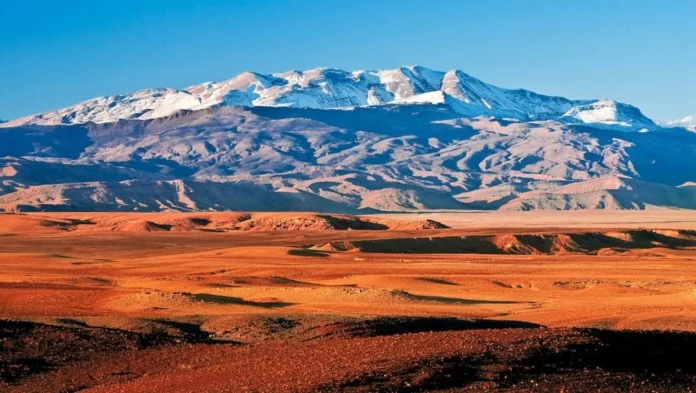
Planning an unforgettable adventure across North Africa starts with understanding the map of the Atlas Mountains in Africa. Stretching across Morocco, Algeria, and Tunisia, the Atlas Mountains offer dramatic landscapes, ancient villages, winding mountain passes, and breathtaking hiking trails.
Whether you’re an outdoor enthusiast, road trip lover, or cultural traveler, a detailed tourist map helps you discover the region’s most remarkable destinations and scenic routes.
The Atlas range is divided into several sections, including the High Atlas, Middle Atlas, Anti-Atlas, Saharan Atlas, and Tell Atlas. Among these, atlas mountains morocco is the most popular destination for international travelers because of its accessibility, diverse attractions, and well-developed tourism infrastructure.
Why You Need a Tourist Map
A reliable map of the Atlas Mountains in Africa makes travel planning much easier. The mountain range spans over 2,500 kilometers, connecting remote valleys, historic kasbahs, alpine villages, and national parks. Without a proper map, many hidden attractions can easily be missed.
Tourist maps typically highlight:
- Major cities and mountain towns
- Scenic driving routes
- Hiking trails
- National parks
- UNESCO World Heritage sites
- Viewpoints
- Rivers and valleys
- Camping and accommodation locations
These details allow visitors to create efficient itineraries while exploring both famous landmarks and lesser-known gems.
Top Destinations in the Atlas Mountains
Marrakech Gateway
Most travelers begin their journey in Marrakech before heading into the High Atlas Mountains. The city serves as an excellent base with easy access to mountain roads, guided tours, and transportation services.
Imlil Village
Located approximately 65 kilometers from Marrakech, Imlil is one of the most visited mountain villages. It serves as the starting point for treks to Mount Toubkal, North Africa’s highest peak. Visitors can experience traditional Berber hospitality, mountain lodges, and spectacular valley views.
Mount Toubkal
Mount Toubkal stands at 4,167 meters above sea level and attracts thousands of hikers every year. Even travelers who don’t climb to the summit enjoy exploring nearby valleys and panoramic viewpoints.
Ourika Valley
Ourika Valley offers lush greenery, waterfalls, local markets, and riverside restaurants. It is particularly popular during spring when flowers bloom, and temperatures remain pleasant.
Ouzoud Waterfalls
Although slightly outside the central mountain region, Ouzoud Waterfalls are often included on Atlas Mountain itineraries. Cascading over 100 meters, these falls are among Morocco’s most photographed natural attractions.
Aït Benhaddou
This ancient fortified village is a UNESCO World Heritage Site famous for its mud-brick architecture. Numerous Hollywood films and television series have been filmed here, making it a favorite stop for tourists.
Scenic Driving Routes
A well-designed map of the Atlas Mountains in Africa highlights several unforgettable driving routes.
Tizi n’Tichka Pass
Connecting Marrakech with Ouarzazate, this mountain pass reaches elevations above 2,200 meters. The winding road offers dramatic cliffs, colorful villages, and countless photography opportunities.
Dadès Valley Route
Known as the “Road of a Thousand Kasbahs,” this scenic drive passes through rugged canyons, rock formations, and traditional settlements. Hairpin bends and elevated viewpoints make it one of Morocco’s most exciting drives.
Todra Gorge Road
Towering limestone cliffs create one of the country’s most impressive natural landscapes. The route is especially popular among hikers, cyclists, and rock climbers.
Middle Atlas Forest Route
Travelers seeking forests instead of rocky peaks should explore the cedar forests around Ifrane and Azrou. The area is famous for wild Barbary macaques and cool summer temperatures.
Best Hiking Areas
Adventure travelers rely heavily on the map of the atlas mountains in africa when planning hiking routes. Popular trekking areas include:
- Mount Toubkal National Park
- Azzaden Valley
- Mgoun Massif
- Ouirgane Valley
- Toubkal Circuit
- Jbel Sirwa
These trails range from beginner-friendly day hikes to challenging multi-day expeditions.
Cultural Highlights
The Atlas Mountains are home to indigenous Amazigh (Berber) communities whose traditions have remained strong for centuries. Visitors can explore local markets, handcrafted carpets, pottery workshops, and traditional homes.
Many villages welcome tourists with locally prepared meals featuring tagines, couscous, fresh bread, olives, honey, and mint tea.
Choosing atlas mountains morocco also provides opportunities to stay in authentic guesthouses where visitors can learn about local customs and mountain life.
Wildlife and Nature
The Atlas Mountains contain surprisingly diverse ecosystems. Depending on the region, travelers may encounter:
- Barbary macaques
- Golden eagles
- Atlas cedar forests
- Juniper woodlands
- Mountain wildflowers
- Desert landscapes
- Snow-covered peaks during winter
Nature lovers often combine hiking with birdwatching and photography tours.
Best Time to Visit
The ideal travel season depends on your activities.
Spring (March to May):
Wildflowers bloom, rivers flow strongly, and temperatures remain comfortable.
Summer (June to August):
Higher elevations provide cooler weather, making mountain trekking enjoyable.
Autumn (September to November):
Clear skies and colorful landscapes create excellent photography conditions.
Winter (December to February):
Snow transforms the High Atlas into a winter destination suitable for skiing and snow hiking.
Practical Travel Tips
When using a map of the Atlas Mountains in Africa, remember that some roads become difficult during heavy snowfall or seasonal rains. Renting a reliable vehicle or hiring an experienced local driver is often recommended for remote areas.
Essential items include:
- Comfortable hiking boots
- Warm layers
- Sun protection
- Offline GPS maps
- Drinking water
- First aid kit
- Camera
- Cash for rural villages
Travelers should also allow extra time for mountain driving, as winding roads often take longer than expected.
Creating Your Perfect Atlas Mountains Itinerary
Most visitors spend between four and seven days exploring the mountain region. A balanced itinerary might include Marrakech, Imlil, Mount Toubkal, Ourika Valley, Tizi n’Tichka Pass, Aït Benhaddou, and Dadès Valley. Using a detailed map of the Atlas Mountains in Africa helps organize destinations efficiently while avoiding unnecessary backtracking.
Whether your interests include trekking, photography, cultural experiences, or scenic road trips, the Atlas Mountains deliver unforgettable adventures. From towering peaks to peaceful valleys and historic villages, every route offers something unique. Exploring atlas mountains morocco allows travelers to experience the most accessible and diverse section of this magnificent mountain range while creating memories that last a lifetime.
