
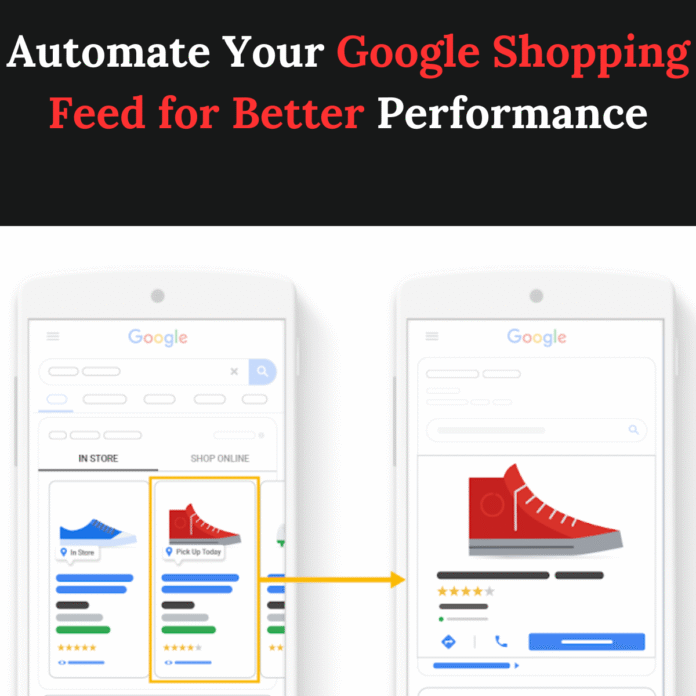
In today’s competitive e-commerce world, simply listing products online is no longer enough. Merchants must ensure that their products are discoverable, appealing, and accurately represented. One of the most effective ways to achieve this is through a well-optimized Google Shopping feed. A properly managed Google Shopping product feed helps your products reach the right audience at the right time. However, managing this manually can become overwhelming, especially as your inventory grows. This is where Google Shopping Feed Automation comes into play, offering a smarter, faster, and more efficient way to drive better performance.
What is a Google Shopping Feed?
A Google Shopping feed is a structured file containing all the necessary details about your products, such as titles, descriptions, prices, images, and availability. This data is sent to Google Merchant Center, where it gets used for creating Shopping ads that appear in Google search results. An accurate and detailed Google Shopping product feed ensures your products show up for the right search queries, significantly impacting your visibility and click-through rates.
If your Google Shopping feed contains errors or outdated information, your products may not even be eligible to appear in search results. Therefore, maintaining a clean, up-to-date, and optimized feed is crucial for any e-commerce business looking to succeed with Google Shopping.
The Challenges of Managing a Google Shopping Product Feed Manually
When you manage your Google Shopping product feed manually, you face several challenges. Constant changes in inventory, price updates, promotional adjustments, and evolving SEO best practices can make feed management a time-consuming and error-prone task. Without a streamlined process, merchants risk sending incomplete or incorrect information to Google, leading to disapprovals, reduced visibility, and missed sales opportunities.
Moreover, manual management makes it harder to keep up with the evolving standards of Google Shopping title optimization. If your titles are not crafted strategically, even great products might fail to rank for the right keywords, leading to poor campaign performance.
Why Google Shopping Feed Automation is a Game-Changer
Google Shopping Feed Automation simplifies the entire process of feed management by automatically syncing your store’s product information with your Google Merchant Center account. It ensures that all updates, such as price changes, stock levels, and product descriptions, are reflected in real-time without manual intervention.
By automating your Google Shopping feed, you minimize human error, save time, and ensure consistency across all your product listings. Feed automation tools also help optimize your listings for better performance by improving attributes like product titles, descriptions, and categories according to Google’s best practices.
With Google Shopping Feed Automation, merchants can focus more on growing their business rather than getting bogged down by technical feed management tasks. It ensures that your marketing campaigns stay fresh, accurate, and competitive.
The Role of Google Shopping Title Optimization
One critical aspect of feed optimization is Google Shopping title optimization. Your product title is often the first thing potential customers notice, and it plays a significant role in search relevance and click-through rates. A well-optimized product title helps Google understand your product better, which means your ad will appear for more relevant queries.
Google Shopping title optimization involves strategically placing important keywords at the beginning of your titles, using clear and descriptive language, and avoiding promotional text that could lead to disapprovals. For example, if you are selling a pair of running shoes, a title like “Men’s Lightweight Running Shoes – Breathable, Size 10” is far more effective than just “Running Shoes.”
Automation tools can help you dynamically generate optimized Google Shopping product titles by pulling information directly from your product database. This not only improves your search performance but also saves hours of manual editing.
How Google Shopping Product Feed Automation Improves Campaign Performance
When your Google Shopping product feed is automated and optimized, your campaigns benefit in several ways. Firstly, automated feeds reduce the risk of product disapprovals due to outdated information. This ensures that your entire catalog is eligible to appear in shopping ads, maximizing your product visibility.
Secondly, automation allows for real-time updates. If you run a sale or adjust pricing for seasonal promotions, your feed will update instantly, ensuring customers always see the most accurate information. This leads to higher conversion rates and lower bounce rates because shoppers trust that the product information is current.
Finally, an optimized feed improves your overall Quality Score in Google Ads. A better Quality Score means you pay less per click and your ads appear in more prominent positions. This directly impacts your return on ad spend (ROAS), making your Google Shopping campaigns more cost-effective.
Best Practices for Google Shopping Feed Automation
Although automation simplifies feed management, it’s essential to implement it correctly for maximum benefit. Start by choosing a reliable feed management tool that supports Google Shopping Feed Automation and offers features like custom rules, data enrichment, and real-time synchronization.
Focus heavily on your Google Shopping product titles. Make sure they are keyword-rich, descriptive, and tailored to how shoppers search for products. Consistently monitor your feed for errors or disapprovals and fix issues promptly to maintain high feed quality.
Additionally, categorize your products accurately and use detailed, high-quality images. Even with the best automation tool, poor-quality inputs will lead to poor campaign results. Treat your Google Shopping feed as a living document that needs continual optimization and refinement.
Conclusion: Invest in Automation for Lasting Success
Automating your Google Shopping feed is not just about saving time—it’s about achieving better performance, higher visibility, and stronger sales. A manually managed feed cannot match the speed, accuracy, and strategic advantages provided by Google Shopping Feed Automation.
By prioritizing Google Shopping title optimization and maintaining a clean, up-to-date Google Shopping product feed, merchants can ensure their products reach the right customers at the right time. Whether you’re a small business looking to scale or a large retailer managing thousands of SKUs, investing in automation is a smart move that pays off in better campaign performance, increased revenue, and sustained growth.
In a competitive digital marketplace, smart automation is no longer optional—it’s essential. Make the switch today and watch your Google Shopping campaigns reach new heights.
