
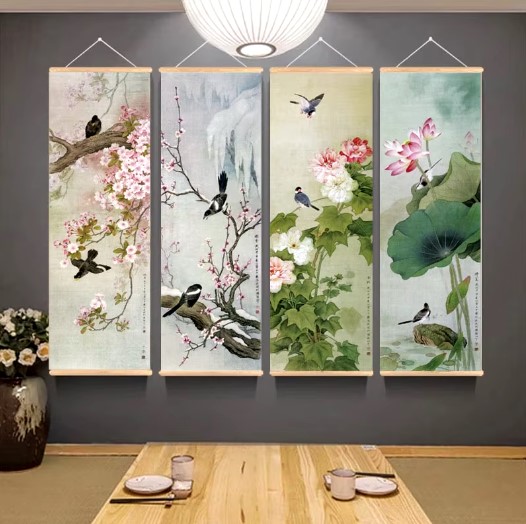
Chinese ink painting is far more than an artistic method—it’s a visual language woven with philosophy, history, and emotion. This traditional art form, often expressed in minimalist brushwork, opens a window into China’s spiritual and intellectual traditions. While Western art often leans toward realism, Chinese ink painting celebrates the essence of its subject, leaving room for imagination and emotion.
From ancient dynasties to contemporary art exhibitions, this art form has transformed, adapted, and flourished. In today’s interconnected world, its influence continues to inspire artists globally, blending ancient techniques with modern visions. Let’s dive deep into the timeless world of Chinese ink painting.
The Origins of Chinese Ink Painting
To truly appreciate Chinese ink painting, it’s essential to trace its origins back over two thousand years. The art emerged during the Han Dynasty (206 BCE–220 CE), evolving alongside the development of Chinese calligraphy. Initially used to illustrate Buddhist scriptures, it gradually evolved into a respected form of self-expression among scholars and nobles.
Unlike other forms of painting that relied heavily on pigments and colors, Chinese artists adopted ink as a primary medium, celebrating simplicity and subtlety. They believed that black ink, when skillfully used, could produce a full spectrum of visual emotion and tonal depth.
Philosophical Roots: Daoism and Confucianism in Ink
Chinese ink painting isn’t just about technique—it’s deeply philosophical. The brushwork and composition reflect two dominant philosophies: Daoism and Confucianism.
Daoist ideas emphasize harmony with nature. Artists often painted mountains, rivers, and misty landscapes, expressing their yearning for tranquility and spiritual unity with the natural world. These landscapes were not literal representations but symbolic expressions of inner peace and the rhythm of the universe.
Confucian influence brought a sense of order, morality, and structure. While Daoist-inspired paintings flowed freely, Confucian-inspired works displayed clarity, restraint, and intellectual purpose. This duality created a fascinating tension in Chinese ink painting—a blend of spontaneity and control, of emotion and intellect.
Tools and Techniques That Shape Expression
The tools of Chinese ink painting are minimal, yet they demand mastery. Known as the Four Treasures of the Study, these include the ink stick, ink stone, brush, and paper or silk. The artist grinds the ink stick on the stone with water to create the desired intensity and consistency.
Brushstrokes are not random—they are choreographed movements, each carrying weight and intention. A single stroke can suggest distance, emotion, or motion. The texture of a mountain, the stillness of a pond, or the movement of a crane—all are captured in controlled yet fluid gestures.
One notable technique is “xieyi” (寫意), often translated as “freehand” or “sketching the idea.” This expressive style contrasts with the more meticulous “gongbi” (工筆) style, known for its fine lines and attention to detail. Both styles serve different purposes but often coexist in the works of master painters.
The Symbolism Behind Subjects
Subjects in Chinese ink painting are rarely chosen at random. Each element carries cultural, poetic, and spiritual meaning. Bamboo represents resilience and integrity; plum blossoms symbolize perseverance through adversity; cranes stand for longevity and immortality.
Landscapes, a dominant theme, often do not depict real places but rather imagined vistas that express the artist’s emotions or philosophical insights. The “shan shui” (山水) style—literally “mountain and water”—symbolizes the cosmic balance of yin and yang.
Paintings often include short poems or inscriptions, integrating literature and visual art. This harmony of brush and word enhances the emotional depth of the work and reflects the artist’s inner world.
Masters Who Defined the Art
Over centuries, numerous artists have shaped the evolution of Chinese ink painting. Some of the most revered names include:
- Gu Kaizhi (c. 344–406), one of the earliest known Chinese painters, whose scroll paintings laid foundational styles.
- Fan Kuan (c. 960–1030), a Song Dynasty artist, whose grand landscapes embody the philosophical weight of ink painting.
- Shitao (1642–1707), a Qing Dynasty painter and monk, known for his expressive and experimental brushwork that challenged conventions.
Each master added their personal vision to the medium, expanding its expressive possibilities. Their influence continues in modern galleries and art schools, inspiring new generations of artists.
Global Influence and Modern Interpretations
Though rooted in Chinese tradition, Chinese ink painting has found an audience far beyond its homeland. In recent decades, global art collectors, museums, and scholars have taken a growing interest in this elegant form.
Contemporary artists are blending traditional brush techniques with new media, digital formats, and abstract styles. Artists like Xu Bing and Liu Dan have pushed boundaries, integrating Western perspectives while preserving the soul of ink painting.
Art exhibitions from Beijing to Paris and New York celebrate this rich tradition, often juxtaposing classical works with modern interpretations. These evolving styles keep the art form dynamic while paying homage to its philosophical origins.
Preservation Through Practice and Education
To ensure the longevity of Chinese ink painting, many cultural institutions and academies have established programs focusing on traditional techniques. Art schools in China and abroad now offer courses that not only teach brushwork but also the cultural and philosophical foundations of the art.
Collectors and art lovers contribute to preservation through exhibitions, publications, and digital archives. Public interest in cultural authenticity has also sparked renewed enthusiasm for learning traditional art forms, including ink painting.
At the community level, workshops and classes offer opportunities for people of all ages to explore the art. From weekend courses to professional residencies, these platforms bridge the past and present, ensuring the continuity of a treasured art form.
Chinese Ink Painting in Interior and Product Design
Beyond the canvas, Chinese ink painting has made its way into lifestyle aesthetics. Interior designers are incorporating ink-inspired motifs into wallpaper, textiles, ceramics, and furniture. The elegant, flowing brushwork adds a serene and artistic ambiance to modern spaces.
Luxury brands and fashion designers have also embraced the style, integrating ink painting elements into clothing lines, accessories, and packaging. This crossover from traditional art to commercial design demonstrates the adaptability and ongoing relevance of the art form.
Brands looking to align themselves with sophistication and heritage often turn to ink painting as a visual narrative. It adds cultural credibility and emotional depth to everything from high-end branding to hospitality decor.
Final Thoughts
Chinese ink painting is more than a visual art—it is a cultural legacy, a meditative practice, and a philosophical expression that continues to evolve. Every brushstroke, every carefully chosen subject, and every flowing composition tells a story that transcends time.
Whether admired in a museum, studied in an academy, or integrated into modern design, Chinese ink painting remains a powerful reminder of the depth, elegance, and spirit of Chinese culture. Its enduring relevance speaks not only to its beauty but also to the profound ideas it represents.
For those drawn to the world of traditional arts, diving into Chinese ink painting offers a fulfilling journey into one of the oldest, most soulful forms of artistic expression. Let your eyes wander through its mists and mountains—you may find more than just art. You might just find a deeper connection to the rhythm of life itself.
