
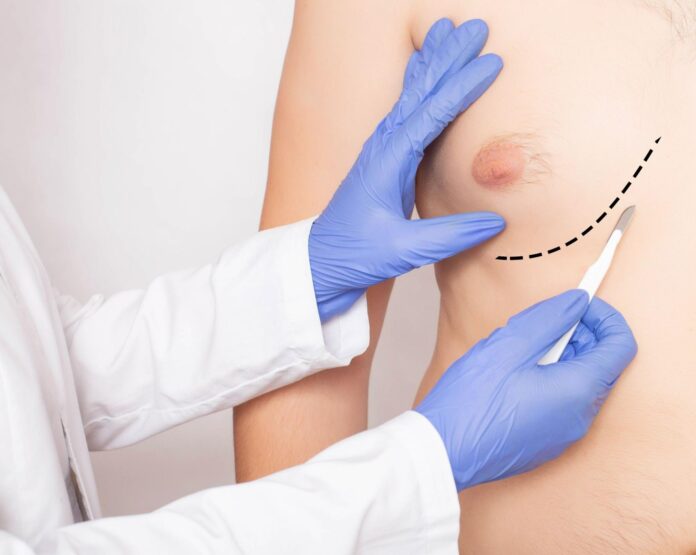
Gynecomastia, commonly referred to as “man boobs,” can be an uncomfortable and emotionally distressing condition for many men. The enlargement of male breast tissue caused by hormonal imbalances, medications, or other underlying conditions often prompts individuals to seek permanent solutions. While exercise and diet may help in some cases, gynecomastia surgery remains the most effective treatment for many. If you’re considering Gynecomastia surgery in Islamabad, you likely have a number of important questions.
1. What Exactly Is Gynecomastia Surgery?
Gynecomastia surgery, also known as male breast reduction surgery, is a cosmetic procedure designed to remove excess breast tissue, fat, and skin in men. The goal is to restore a flatter, firmer, and more masculine chest contour. Depending on the severity of your condition, the procedure may involve:
2. Am I a Good Candidate for the Surgery?
You may be a good candidate if:
- You’re physically healthy and close to your ideal body weight
- You have stable breast development (typically after puberty)
- The condition causes you embarrassment or restricts your lifestyle
- You don’t smoke or use recreational drugs
- The gynecomastia hasn’t responded to diet or exercise
A thorough consultation with a board-certified surgeon will help determine if surgery is right for you.
3. Is Gynecomastia Surgery Permanent?
Yes—when performed correctly, the results of gynecomastia surgery are typically permanent. However, the recurrence of gynecomastia is possible if you experience significant weight gain, use anabolic steroids, or have ongoing hormonal imbalances. Maintaining a stable weight and avoiding certain substances can help preserve results
4. What Kind of Scars Will I Have?
The extent and visibility of scars depend on the surgical technique used and the grade of gynecomastia:
- Liposuction-only procedures: Small incisions, usually around the armpit or lower areola, with minimal scarring.
- Gland excision or skin removal: May require larger incisions, potentially around the areola or across the chest in more advanced cases.
Skilled surgeons take care to place incisions in less noticeable areas to minimize the appearance of scars over time.
5. Will the Surgery Hurt?
Pain is typically minimal to moderate and can be managed with prescribed medications. Most patients describe the sensation as soreness or tightness rather than severe pain. Discomfort peaks during the first few days and improves steadily afterward.
6. What’s the Recovery Like?
Recovery time can vary, but here’s a general outline:
- First 3-5 days: Rest is essential. You may experience swelling, bruising, and mild discomfort.
- Week 1-2: Light activity is permitted; avoid heavy lifting and strenuous workouts.
- Week 3-4: Most patients return to work and normal daily routines.
- Week 6 and beyond: Final results begin to show, and you can resume intense physical activity.
Wearing a compression garment during recovery is essential to support healing and reduce swelling.
7. Will I Need Blood Tests or Imaging Before Surgery?
Yes, most surgeons will require basic blood tests to ensure you are healthy enough for surgery. These may include:
- Complete blood count (CBC)
- Liver and kidney function tests
- Hormone profile (in some cases)
Imaging, such as ultrasound or mammography, may be used if there’s any suspicion of a lump or other abnormal tissue in the chest area.
8. How Much Does Gynecomastia Surgery Cost in Islamabad?
The cost varies depending on the clinic, surgeon’s experience, the complexity of your case, and whether liposuction, excision, or both are required. Some clinics offer flexible payment plans or financing options. During your consultation, you’ll receive a personalized quote based on your unique condition.
9. Are There Any Risks Involved?
Like any surgical procedure, gynecomastia surgery comes with potential risks. These include:
- Infection
- Bleeding
- Scarring
- Asymmetry
- Changes in nipple sensation
These complications are rare when the procedure is performed by a qualified and experienced surgeon, but it’s important to discuss all potential risks during your consultation.
10. Can I Get Rid of Gynecomastia Without Surgery?
In some mild cases, especially related to puberty, gynecomastia may resolve on its own. Weight loss and exercise can help reduce fat, but they won’t eliminate glandular tissue. For most men with moderate to severe gynecomastia, surgery is the only reliable and lasting solution.
11. Will Insurance Cover the Surgery?
Typically, gynecomastia surgery is considered a cosmetic procedure and is not covered by insurance. However, in rare cases where it causes significant physical discomfort or psychological distress, some insurance companies may cover a portion of the costs. Be sure to check with your insurance provider for their specific policies.
12. When Can I See the Final Results?
You’ll notice an immediate difference in chest contour after surgery, but swelling may obscure the final results for a few weeks. Most patients see full results within 3–6 months as the body fully heals and settles.
13. Can the Surgery Improve My Confidence?
Absolutely. Many men report a significant boost in self-esteem and body image following gynecomastia surgery. You may feel more comfortable wearing fitted clothing, swimming shirtless, or engaging in physical activities that you previously avoided due to embarrassment.
14. How Do I Choose the Right Surgeon?
Look for a board-certified plastic or cosmetic surgeon with experience specifically in male breast reduction. Review before-and-after photos of past patients, check reviews, and ask questions during your consultation. A good surgeon will take time to explain the procedure, set realistic expectations, and offer personalized recommendations.
How to Determine Your Grade
You may be able to make a rough assessment of your gynecomastia grade by observing your chest in the mirror or comparing your symptoms to the descriptions above. However, a professional evaluation by a cosmetic surgeon is essential for:
- Confirming the presence of glandular vs. fatty tissue
- Ruling out pseudo-gynecomastia or other medical conditions
- Creating a surgical plan specific to your case
Most clinics will perform a physical exam and possibly imaging like an ultrasound to assess the internal structure of the chest before proceeding.
Can Grades Improve Without Surgery?
In some early cases (especially during puberty), gynecomastia may resolve on its own. However, in adult men, particularly with Grades 2–4, the condition is unlikely to improve without surgical intervention. Diet and exercise may reduce fat, but they cannot eliminate glandular tissue or excess skin.
Conclusion
Gynecomastia surgery can be a life-changing procedure for men struggling with excess breast tissue. By addressing your concerns and asking the right questions, you can approach the surgery with clarity and confidence. From understanding the techniques used to managing recovery and setting realistic expectations, preparation is key.
If you’re ready to explore your options for gynecomastia surgery in Islamabad, consult with the experts at Dynamic Clinic. Their experienced team provides comprehensive assessments, customized treatment plans, and high-quality care to help you achieve a more confident, masculine chest.
