
Mastering the Kitchen: A Comprehensive Guide to Essential Cooking Tools
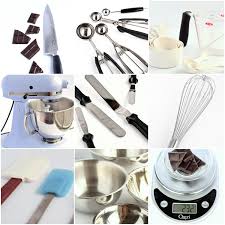
Stepping into the world of culinary arts without proper equipment is like painting without brushes. Cooking tools are the backbone of every successful recipe, serving as extensions of the cook’s hands. Whether you’re crafting gourmet meals or simple dinners, having the correct instruments transforms routine preparation into a seamless, enjoyable experience. This guide explores an extensive array of kitchen tools that deserve a spot in every home cook’s arsenal.
Cutlery: Precision and Performance
Every kitchen begins with high-quality cutlery. A chef’s knife provides versatility, handling everything from dicing onions to slicing proteins. A paring blade supports intricate jobs such as trimming fruit or deveining shrimp. Serrated knives glide through crusty loaves or delicate tomatoes with ease. Equally important, a honing rod keeps blades sharp, maintaining efficiency and safety.
Boards and Surfaces
Preparation begins with a solid base. Cutting boards made from bamboo, plastic, or rubber offer hygienic and durable work areas. Wood boards, although elegant, require regular oiling and care. Having multiple boards helps avoid cross-contamination between raw poultry, produce, and baked goods.
Measuring Tools: Consistency in Creation
Precision matters, especially in baking. Dry measuring cups allow scooping flour or sugar, while glass or plastic jugs are ideal for liquids like oil or milk. Measuring spoons provide accuracy for smaller quantities like salt, spices, or extracts. Digital scales offer unparalleled accuracy, especially in weight-sensitive recipes.
Cookware: Building Blocks of Flavor
Versatile cookware enables a wide range of cooking techniques. Stainless steel pans distribute heat evenly and are perfect for browning meats or deglazing. Cast iron skillets retain heat and develop natural nonstick qualities with use. Non-stick pans simplify cooking delicate foods such as eggs or pancakes. Dutch ovens, known for their thick walls, excel at braising and baking artisan bread. Sauce vessels, sauté pans, and soup pots round out the essentials.
Bakeware: Unlocking Sweet Success
Oven-based dishes require specially designed containers. Baking sheets accommodate cookies, roasted vegetables, or flatbreads. Cake tins, loaf molds, and pie plates each serve their unique role. Silicone mats replace parchment paper, reduce sticking, and ease cleanup. Cooling racks allow air to circulate beneath baked goods, preventing soggy bottoms.
Utensils: Tools of the Trade
Every movement in the kitchen depends on proper handheld tools. Tongs grasp grilled items or flip roasted vegetables. Spatulas, available in both metal and silicone, serve for scraping, spreading, and folding. Whisks beat air into eggs or cream, while wooden spoons stir sauces without scratching cookware. A slotted spoon drains liquids, ideal for retrieving poached items or lifting pasta.
Small Gadgets: Efficiency in Every Step
While larger items get most of the attention, smaller gadgets make cooking smoother. A garlic press crushes cloves instantly, saving time. Zesters collect citrus peel without bitter pith. Graters transform cheese or chocolate into fine shavings. Can openers, peelers, pizza cutters, and citrus squeezers all bring convenience to everyday tasks. Mandolines provide paper-thin vegetable slices, perfect for salads or gratins.
Mixing Tools: Combining Ingredients with Ease
Stainless steel, ceramic, or tempered glass bowls support various tasks, from beating batters to tossing greens. Nested designs save storage space. Pouring spouts and handles make transferring mixtures simpler. Flexible bowl scrapers ensure not a single drop of dough is wasted.
Storage and Organization
Food-safe containers with airtight seals preserve freshness and prevent odors from spreading. Mason jars, plastic tubs, and vacuum-sealed bags all serve specific functions. Labeling systems help track ingredients and reduce waste. Drawer organizers, hanging racks, and utensil crocks maintain order and ensure tools remain within reach.
Timers and Thermometers: Perfect Every Time
Digital timers ensure food isn’t forgotten. Thermometers provide real-time internal readings, essential for cooking meats to proper doneness. Instant-read models give fast results, while probe versions monitor longer processes like roasts or sous-vide preparations. Oven-safe thermometers measure ambient heat inside baking chambers.
Blending and Processing
Hand blenders, or immersion tools, puree soups directly in the pot. Food processors chop, knead, and shred in seconds, cutting prep time dramatically. High-powered blenders crush ice, emulsify dressings, or blend smoothies. Stand mixers, though larger, mix doughs, whip cream, and beat eggs with little effort.
Specialty Tools for Diverse Cuisines
Global cooking traditions often require region-specific equipment. A wok is essential for stir-frying and steaming in Asian cooking. Mortar and pestles grind spices or make pesto the traditional way. Pasta rollers and ravioli stamps are must-haves for Italian enthusiasts. Tortilla presses, tagines, sushi mats, or tamagoyaki pans broaden culinary horizons.
Cleaning Tools: Maintaining a Hygienic Space
Cleanliness is key. Dish brushes scrub away residue without damaging finishes. Scrub sponges, microfiber cloths, and food-safe sanitizers help maintain a tidy kitchen. Drying racks allow airflow to circulate over washed dishes, ensuring thorough drying. Compost bins and trash sorting systems encourage eco-friendly habits.
Heat Protection
Oven mitts and pot holders shield hands from burns. Silicone gloves offer extra dexterity when lifting hot lids or grilling. Trivets protect countertops from scalding pans, while splatter guards reduce messes on stovetops.
Portion and Presentation Tools
Ice cream scoops serve batter into muffin tins or portion out dough. Plating tweezers, ring molds, and sauce spoons help present dishes attractively. Squeeze bottles, common in professional kitchens, offer control over drizzles or garnishes.
Hydration and Brewing Essentials
For those who enjoy beverages, electric kettles quickly heat water for tea. French presses and pour-over kits elevate coffee routines. Cold brew makers and tea infusers enhance homemade drinks with minimal effort.
Child and Beginner-Friendly Options
Soft-handled tools, color-coded sets, and beginner kits promote safety and learning for younger chefs. Silicone mats, child-safe knives, and illustrated measuring tools build confidence while encouraging exploration.
Sustainability-Focused Tools
Reusable wraps, stainless steel straws, and composting containers align with eco-conscious values. Bamboo utensils, biodegradable sponges, and glass storage jars reduce plastic waste and promote greener habits in everyday cooking.
Conclusion: Investing in Culinary Confidence
Equipping your kitchen with thoughtfully chosen tools doesn’t just improve outcomes—it fosters creativity, reduces frustration, and turns cooking into a rewarding experience. With the right instruments, even complex techniques become approachable. Whether you’re preparing a weekday dinner or experimenting with new flavors, a well-stocked kitchen is your most valuable asset. Start with the basics, build gradually, and let your cooking skills flourish.
