
Ensuring a safe and comfortable home environment for seniors is essential for their well-being and independence. As people age, mobility issues, sensory impairments, and chronic conditions become more common, making daily activities challenging. A well-designed home helps reduce the risk of falls, injuries, and discomfort. Thoughtful modifications, such as handrails, proper lighting, and slip-resistant flooring, contribute to a secure and functional living space. A supportive environment enables seniors to maintain their quality of life while feeling confident and independent in their homes.
Aging comes with physical limitations that make certain tasks more difficult. Adjusting the home environment to accommodate these changes helps prevent accidents and promotes ease of movement. Whether through small adjustments like removing clutter or significant renovations like installing ramps, creating a safe and comfortable space is a necessity. The goal is to enhance accessibility while preserving a sense of familiarity, allowing seniors to navigate their homes without unnecessary obstacles or risks.
Essential Modifications for a Secure Living Environment
Simple modifications can significantly improve home safety for seniors. Installing grab bars in bathrooms provides stability while using the toilet or shower. Non-slip mats reduce the likelihood of falls on wet surfaces, and proper lighting in hallways and staircases enhances visibility. Reducing trip hazards by securing rugs and removing unnecessary furniture also contributes to a safe and comfortable space. Accessible switches, levers, and smart home technology simplify daily routines, ensuring seniors can manage their environment with minimal physical strain.
Aging-friendly furniture plays a crucial role in maintaining comfort. Adjustable beds, supportive chairs, and ergonomic kitchen appliances allow seniors to perform daily activities without discomfort. Open shelving and pull-out drawers reduce the need for excessive reaching or bending. In kitchens and bathrooms, installing anti-scald devices on faucets prevents accidental burns. These modifications collectively create a home that supports seniors in their daily lives, minimizing hazards and promoting ease of use. Adding stairlifts for multi-level homes and widening doorways for wheelchair accessibility further enhances mobility. Voice-activated systems for controlling lighting, temperature, and security provide an extra layer of convenience, helping seniors maintain their independence while staying safe. Additionally, ensuring that emergency contacts and medical supplies are easily accessible can make a significant difference in case of an urgent situation.
Enhancing Comfort Through Thoughtful Design
Comfort is just as important as safety in a senior-friendly home. A well-ventilated space with proper heating and cooling ensures a pleasant indoor atmosphere. Soft, cushioned flooring like cork or rubber helps reduce joint pain, making movement more comfortable. Natural lighting boosts mood and visibility, while blackout curtains allow for restful sleep. Keeping temperature controls within easy reach enables seniors to adjust their surroundings according to their needs, ensuring a consistently safe and comfortable living environment.
Creating a calming atmosphere can enhance emotional well-being. Familiar decor, personal photographs, and favorite furniture pieces make the home feel welcoming. Noise reduction techniques, such as adding carpets and curtains, help create a peaceful ambiance. A cozy and organized space promotes relaxation and a sense of security. When seniors feel comfortable in their environment, they are more likely to engage in activities that contribute to their overall well-being, such as reading, hobbies, and social interactions.
Support Systems for Independent Living
Even with a well-designed home, some seniors may require additional support to maintain independence. Family members, caregivers, and professional services play an important role in ensuring their needs are met. Technology can enhance safety, with medical alert systems providing immediate assistance in emergencies. Smart home devices, such as voice-activated assistants and automated lighting, contribute to a safe and comfortable lifestyle. These innovations allow seniors to manage their daily tasks with ease while maintaining a sense of control over their environment.
Professional assistance may be necessary for seniors with specific needs. Services like in-home specialized care for people with disabilities in Santa Ana provide tailored support, helping seniors manage health conditions while remaining in a familiar setting. Personalized care plans ensure individuals receive the right level of assistance while maintaining their independence. Access to home health aides, therapists, and meal delivery services further enhances well-being, allowing seniors to enjoy a high quality of life in a safe and comfortable home.
Long-Term Benefits of a Well-Designed Senior Home
A well-structured home environment offers long-term benefits for seniors, reducing stress and promoting a higher quality of life. Preventing falls and injuries through thoughtful modifications minimizes medical emergencies. A secure and accessible space fosters confidence, encouraging seniors to remain active and engaged in their daily routines. When their home meets their needs, they experience less frustration and greater ease in performing essential tasks, contributing to emotional and physical well-being.
Aging in place becomes possible with the right adjustments. Seniors who feel safe and comfortable in their homes are more likely to maintain independence for longer. The ability to stay in familiar surroundings enhances mental and emotional health. Home modifications also provide peace of mind for family members, knowing their loved ones are living in a secure and accommodating space. Investing in a senior-friendly home ultimately supports aging with dignity, ensuring seniors continue to thrive in their later years.
Encouraging Social Interaction in a Safe Environment
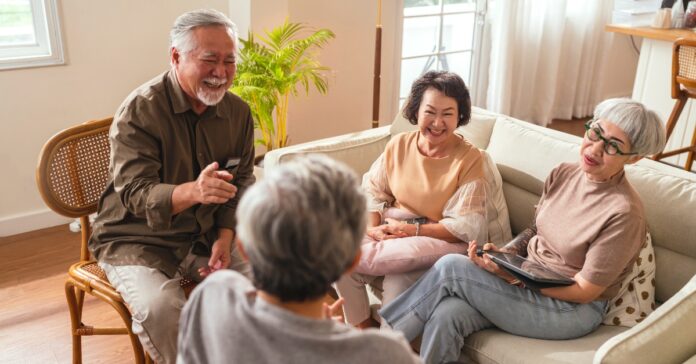
A safe and comfortable home should also encourage social engagement for seniors. Isolation can negatively impact mental and emotional health, leading to feelings of loneliness and depression. Creating spaces that allow for family gatherings, visits from friends, or even virtual interactions helps seniors stay connected. Designating a cozy and accessible area for social activities fosters a sense of community and belonging. Additionally, incorporating outdoor seating areas, gardens, or hobby spaces enhances opportunities for meaningful interactions while maintaining a secure and welcoming environment.
Encouraging participation in activities such as book clubs, arts and crafts, or gentle exercise sessions further promotes engagement. Simple additions like a comfortable seating arrangement in a common area, an easy-to-use video calling setup, or a pet-friendly space can significantly improve social well-being. Seniors thrive when they have opportunities to connect with loved ones and enjoy companionship. Maintaining a balance between privacy and accessibility ensures they feel included without being overwhelmed. A home that supports both safety and social interaction allows seniors to lead fulfilling lives while feeling connected to the world around them
