
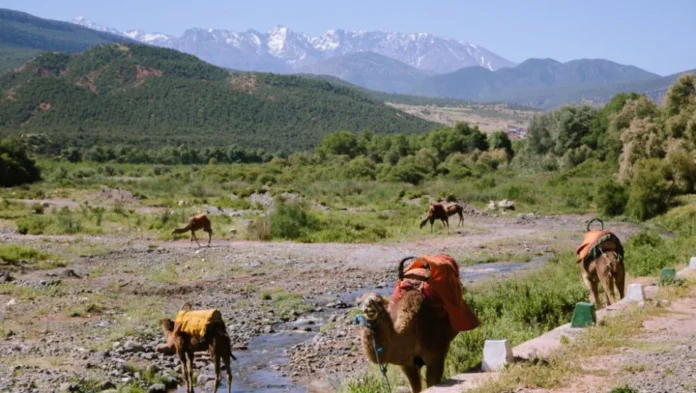
The atlas mountains morocco region is one of North Africa’s most spectacular destinations, offering dramatic peaks, peaceful valleys, traditional villages, and unforgettable outdoor experiences. Stretching across a large part of Morocco, these mountains provide a remarkable contrast to the country’s busy cities and golden desert landscapes. Whether you are interested in hiking, photography, cultural experiences, or simply escaping into nature, the mountains offer something for every traveler.
Understanding the Atlas Mountain Range
The Atlas Mountains form an extensive mountain system across Morocco and continue into neighboring Algeria and Tunisia. In Morocco, the range is commonly divided into the High Atlas, Middle Atlas, and Anti-Atlas. Each section has its own landscapes, climate, wildlife, and cultural character.
The High Atlas is particularly famous for its towering peaks, including Mount Toubkal, the highest mountain in North Africa. The Middle Atlas is known for cedar forests, lakes, and green valleys, while the Anti-Atlas features rugged rocky landscapes and fascinating geological formations.
Before planning a trip, travelers can study an atlas mountains map to understand the different mountain ranges, villages, roads, trekking areas, and nearby attractions. This can make it easier to choose a route that matches your interests and available travel time.
The Magnificent High Atlas
The High Atlas is often considered the heart of the Atlas Mountains Morocco experience. Its enormous peaks rise dramatically above valleys filled with orchards, terraced farmland, and traditional Berber communities. During spring and summer, the lower valleys can become surprisingly green, creating beautiful scenery against the rocky mountain slopes.
One of the most popular destinations is the village of Imlil, which serves as an important starting point for treks toward Mount Toubkal. The surrounding area features narrow trails, waterfalls, walnut trees, and panoramic viewpoints.
Hiking does not always require climbing the highest peaks. Numerous trails allow visitors to explore villages and valleys at a comfortable pace. Local guides can also provide valuable knowledge about the terrain, history, plants, and traditions of the communities living in the mountains.
Discovering Traditional Mountain Villages
One of the most rewarding aspects of visiting the Atlas Mountains region is experiencing its traditional communities. Many villages have preserved distinctive architecture, with homes constructed from earth, stone, and other locally available materials.
Mountain communities have developed ways of life closely connected to their environment. Agriculture, livestock, handicrafts, and tourism remain important sources of income in many areas. Visitors may encounter farmers working in terraced fields, children walking between villages, or artisans producing traditional crafts.
Staying in a family-run guesthouse can provide a more personal experience than simply passing through. Travelers can enjoy homemade Moroccan meals, drink mint tea, and learn about local customs while supporting small mountain businesses.
Wildlife and Natural Beauty
The mountains are home to a variety of plants and animals, although the species found depend heavily on altitude and location. Cedar forests in the Middle Atlas provide an important habitat for Barbary macaques, while higher elevations feature hardy plants adapted to colder conditions.
The scenery changes dramatically as you travel through different elevations. Green valleys can transition into forests, rocky slopes, alpine meadows, and barren high-altitude landscapes. This diversity makes the mountains particularly attractive to photographers.
Sunrise and sunset are especially impressive. When sunlight reaches the peaks and valley walls, the changing shadows create dramatic patterns across the landscape.
Exploring the Middle Atlas
The Middle Atlas offers a different experience from the rugged High Atlas. Its forests, lakes, waterfalls, and rolling mountain landscapes make it an excellent destination for travelers looking for quieter natural surroundings.
Ifrane is one of the best-known towns in the region and has an unusual European-inspired appearance. Nearby cedar forests provide opportunities for walking and wildlife observation. The area around Azrou is also popular for its forests and scenic landscapes.
An atlas mountains map can be especially helpful when exploring the Middle Atlas because attractions are spread across a broad area. Planning distances in advance allows travelers to combine forests, villages, viewpoints, and natural attractions efficiently.
Adventure Activities for Travelers
The mountains provide plenty of opportunities for adventure. Trekking is the most popular activity, but visitors can also enjoy mountain biking, rock climbing, horseback riding, and scenic road trips.
Experienced hikers may choose multi-day treks through the High Atlas, camping or staying in mountain villages along the way. Less experienced travelers can choose shorter walks through valleys and villages.
Winter brings another dimension to the mountains. Higher elevations can receive significant snowfall, creating opportunities for winter scenery and seasonal activities. However, weather conditions can change quickly, so proper equipment and local advice are essential.
Moroccan Food in the Mountains
Exploring the mountains is not only a visual experience; it is also a culinary one. Traditional meals often feature locally available ingredients and classic Moroccan flavors.
Visitors may enjoy tagine prepared with vegetables, meat, or dried fruits, along with couscous, freshly baked bread, olives, and seasonal produce. Mint tea is an important part of Moroccan hospitality and is commonly offered to guests.
Eating with a local family or in a small mountain guesthouse can be one of the most memorable parts of the journey. Simple meals often feel especially satisfying after a day spent walking through the countryside.
Best Time to Visit
The ideal time to explore the Atlas Mountains region depends on the activities you want to enjoy. Spring is attractive because valleys and lower elevations can become green and colorful. Summer is generally suitable for high-altitude trekking, although temperatures can be warm at lower elevations.
Autumn offers comfortable conditions and beautiful scenery, while winter brings snow to many high mountain areas. Travelers planning serious hikes should consider seasonal weather, trail conditions, altitude, and daylight hours before setting out.
It is also worth remembering that mountain weather can differ significantly from conditions in Marrakech or other lowland destinations. A sunny morning can sometimes be followed by cold temperatures or rain at higher elevations.
Planning Your Mountain Adventure
Good preparation can make a mountain journey safer and more enjoyable. Comfortable hiking shoes, layered clothing, sun protection, sufficient water, and basic first-aid supplies are useful for most outdoor activities.
If you are planning a longer trek, research accommodation and transportation beforehand. A detailed Atlas Mountains map can help identify routes, mountain passes, villages, and major roads. Hiring a qualified local guide is particularly useful for challenging hikes or unfamiliar routes.
Travelers should also respect local communities and natural environments. Avoid leaving waste behind, follow established trails when possible, and ask permission before photographing people.
Why the Atlas Mountains Are Worth Visiting
The atlas mountains morocco region of Morocco combines spectacular landscapes with rich cultural traditions and opportunities for adventure. From the towering High Atlas peaks to the peaceful forests of the Middle Atlas and the rugged Anti-Atlas, every area offers a different perspective on Morocco.
The mountains allow travelers to slow down and experience a quieter side of the country. Walking through ancient villages, sharing tea with residents, watching sunlight move across rocky peaks, and discovering hidden valleys can create memories that last long after the journey ends.
For anyone seeking natural beauty, cultural discovery, and outdoor adventure, the Atlas Mountains deserve a place on the Moroccan travel itinerary. With thoughtful planning and respect for the environment and local communities, a journey through this remarkable region can become one of the most rewarding experiences in Morocco.
