

Your Insurance And Biohazard Cleanup
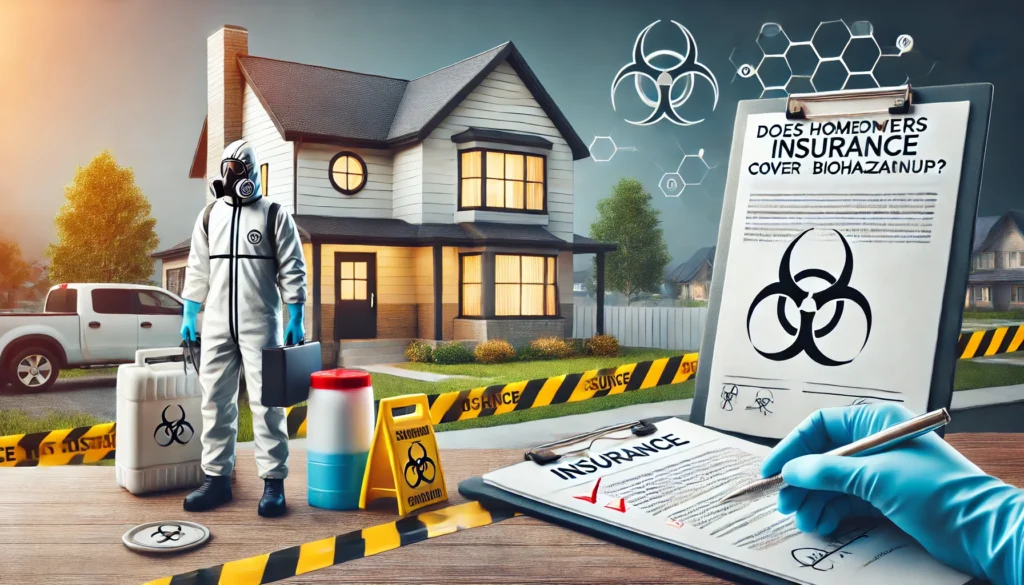
Homeowners insurance is made to help when problems occur at your house. It pays for damage from fires, storms, or theft. But when it comes to cleaning up dangerous waste, things are not so clear. Insurance policies often cover common damage but may leave out the cost of cleaning harmful materials. A spill of chemicals or blood may not be part of what is protected.
It is very important to understand your own plan. By reading the small print and asking questions, you can learn if your policy helps with dangerous messes. Knowing your coverage helps you avoid surprises and extra bills. This knowledge makes it easier to plan for emergencies and decide if you need extra protection.
How Homeowners Insurance Works
Homeowners insurance is a contract with a company. You pay a fee, and in return, the insurer helps pay for repairs when bad things happen. When a fire burns part of your home or a storm damages your roof, the insurance pays to fix it. However, the plan usually only covers events listed in the policy.
It may not include some extra cleaning work, like removing harmful waste. The rules can be hard to understand, so it is a good idea to ask your agent for help. Always keep a copy of your plan and review it every year. This way, you know what is safe and what might be your own cost if something unusual happens.
What Is Considered a Biohazard?
A biohazard is any substance that can harm people. It may include blood, chemicals, or germs that make you sick. When an accident or crime happens, these dangerous materials might be left behind. They are not like normal spills or dirt. A biohazard must be handled carefully because it can spread illness. Cleaning up these hazards needs special tools and extra care.
The workers who do this job wear protective gear to stay safe. Because these materials are risky, regular cleaning is not enough. You need experts who know how to remove all the harmful parts safely. Understanding what counts as a biohazard helps you see why extra cleaning might cost more and may not be covered by a standard insurance plan.
When Might Insurance Cover the Cleanup?
Sometimes, your insurance plan will help pay for dangerous cleanup if it happens suddenly. For example, if a fire causes a spill that leaves behind harmful waste, your plan might cover some work. But if the mess is due to long-term neglect, the insurance may not help. Insurance companies look at the cause of the problem.
If the damage happens because of a sudden accident, you have a better chance of getting help. On the other hand, if you did not take care of your home, the company might say it is your fault. It is important to check your plan carefully. Knowing what types of damage are included can save you from extra bills. This understanding can help you decide if you need to add extra coverage to your policy.
Steps to File a Claim for Hazardous Damage
If you face a dangerous spill or contamination, the first step is to call your insurance agent. Explain what happened in clear and simple words. Take pictures of the affected area and write down the details. This proof helps the insurer see the damage. Next, the company will send someone to inspect your home. Answer all their questions honestly.
If your policy covers the cost, they may pay some or all of the cleaning fee. In some cases, you might need the help of professionals like biohazard cleanup services to manage the mess. Keep all records and receipts for the work done. This paper trail can help if there are questions later. Filing your claim right away makes the process smoother and helps you get the help you need.
Preparing for a Dangerous Spill
It is wise to be ready for unexpected events. Make sure you know what your insurance plan covers before a problem happens. Learn what counts as a biohazard and which damages might not be paid for by your policy. Keep important documents, like your insurance papers and repair records, in a safe place. Also, plan what you would do if you face a dangerous mess. Quick action is key.
For instance, if you ever need urgent biohazard remediation due to a sudden spill, acting fast can stop the harm from growing. Having a plan means you know who to call and what steps to take. This preparation can make a big difference when time is short and safety is at risk.
Keeping Costs Down and Staying Safe
After an accident, extra costs can add up quickly. One way to save money is to know your plan very well. Ask your agent if extra cleaning work for dangerous spills is covered. If not, you might want to add extra protection. Acting fast is also important. If a spill happens, try to get emergency biohazard cleaning immediately. Quick cleaning helps stop the spread of harmful materials and can reduce overall costs.
In addition, keep all repair bills and receipts safe. This record can help you get money back from your insurance later. By planning ahead and acting quickly, you can lower the risk of big expenses. This approach not only saves money but also keeps your home and family safe.
The Role of Professional Cleaners
When a dangerous spill happens, it is best to call in experts. Professional cleaners know how to handle dangerous materials safely. They have the right tools and wear protective gear to avoid harm. These experts clean up the mess so that no harmful waste is left behind. Many homeowners turn to biohazard cleanup services because they are trained for these tricky jobs.
With their help, you can be sure that the cleanup is done correctly. Their work protects everyone in the home from potential health risks. It also ensures that the area is safe to use again. Trusting professionals makes the whole process less stressful and more efficient.
Questions to Ask Your Insurance Agent
To know if your policy covers dangerous cleaning, you must ask clear questions. When you talk with your agent, ask if your plan includes removal of harmful materials. Find out if there are extra fees or if you need special coverage. Ask what steps to take if you need help with dangerous cleaning. It is also a good idea to ask if the agent recommends using biohazard decontamination services.
Understanding your coverage can help you plan for emergencies. The more questions you ask, the clearer your plan will be. Make sure you understand all parts of your policy so that you are not caught off guard if a spill happens. Clear communication with your insurance agent builds trust and prepares you for any emergency.
How to Maintain a Safe Home
Keeping your home safe means regular upkeep and planning ahead. Check your property for small issues before they become big problems. Regular cleaning and inspections can help you spot risks early. If you see signs of mold, leaks, or wear and tear, fix them right away. This can prevent accidents that lead to dangerous spills.
Make sure you update your insurance coverage if you make changes to your home. A well-maintained home is less likely to suffer big damage. With good care and a clear plan, you can protect your family and your belongings. Staying alert and fixing small problems quickly can help you avoid extra costs in the future.
Planning for the Unexpected
No one can predict every accident, but you can prepare for surprises. Write down a list of what to do if a dangerous spill happens. Keep the phone numbers of trusted repair people and professional cleaners, including a reliable provider of biohazard cleanup services NY. It is a good idea to ask your insurance agent for advice on planning for emergencies. When you have a plan in place, you feel more confident and ready.
This planning helps you act quickly and wisely when trouble comes. By thinking ahead, you can reduce the stress of an unexpected event and lower the risk of extra costs. Being prepared is a simple way to protect your home and your budget.
Key Takeaways for Homeowners
Homeowners insurance can serve as a vital safety net when unexpected events strike. Typically, policies cover common perils such as fires, storms, and other typical damages. However, certain scenarios—especially those involving hazardous spills or dangerous waste—may not be fully covered.
It is essential to review your policy carefully and discuss any uncertainties with your agent to fully understand your coverage. In some cases, specialized services, such as emergency biohazard cleaning, might be necessary yet not included in the standard plan.
When an incident occurs, quick action is paramount. Engaging professional help and maintaining detailed records can ensure that the situation is managed safely and efficiently. By taking the time now to familiarize yourself with your insurance coverage, you can protect your home and potentially save on significant costs down the road.
Related: The Impact Of Technology On Biohazard Cleaning Efficiency?
