
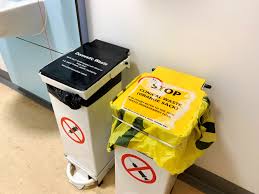
Clinical waste disposal is an essential aspect of the healthcare industry, but it also carries significant environmental implications if not managed properly. Clinical waste consists of materials that are generated during medical, pharmaceutical, or laboratory processes. These materials often contain hazardous substances, such as chemicals, infectious agents, and sharps, which can pose a serious risk to both public health and the environment if improperly disposed of. In this article, we will explore the environmental impact of clinical waste disposal, the potential risks it presents, and practical steps that healthcare facilities can take to minimize its harmful effects.
What is Clinical Waste?
Clinical waste refers to any waste generated as a result of healthcare activities. This can include anything from used needles and syringes (sharps) to contaminated dressings, blood-soaked bandages, pharmaceuticals, chemicals, and more. Essentially, it is any material that has come into contact with bodily fluids, tissues, or other potentially harmful substances during medical treatment.
Because of its hazardous nature, clinical waste must be handled, treated, and disposed of differently from regular waste. Improper disposal of such waste can lead to contamination of the environment, and in some cases, direct harm to individuals or wildlife.
The Environmental Impact of Clinical Waste Disposal
The environmental impact of clinical waste disposal is multi-faceted and can affect soil, water, air quality, and ecosystems. If clinical waste is not disposed of correctly, it can contribute to a range of environmental issues, including pollution, contamination, and ecosystem disruption. Below are some of the key environmental concerns associated with improper clinical waste disposal:
1. Contamination of Water Sources
One of the most significant environmental risks posed by improper clinical waste disposal is the contamination of water sources. Clinical waste that is not properly treated can leach harmful substances into groundwater, rivers, and lakes, leading to contamination of drinking water and aquatic ecosystems. For example, hazardous chemicals found in unused pharmaceuticals or medical solvents can pollute water supplies, posing risks to both human health and wildlife.
The discharge of infectious waste into water sources can also lead to the spread of diseases and pathogens that may affect aquatic life and human populations. Microorganisms such as bacteria, viruses, and fungi can thrive in water contaminated by medical waste, leading to outbreaks of illness and potentially harming aquatic biodiversity.
2. Soil Contamination
When clinical waste is disposed of improperly in landfills or left in open areas, it can lead to soil contamination. For instance, discarded pharmaceuticals, chemicals, and medical instruments can leach harmful substances into the soil, affecting its quality and fertility. This contamination can harm plant life and infiltrate the food chain if crops or animals come into contact with tainted soil.
In addition to the chemical hazards, biological waste that is improperly disposed of can introduce pathogens and microorganisms into the soil. These pathogens can survive in the environment for extended periods, making the soil unsafe for agriculture and potentially leading to health risks for those who come into contact with it.
3. Air Pollution
Although not as commonly discussed, clinical waste disposal can also contribute to air pollution. Medical waste that is incinerated without proper controls can release harmful gases and particulate matter into the air. For instance, the burning of plastic components, pharmaceuticals, or medical instruments can release toxic substances like dioxins, furans, and mercury into the atmosphere.
These pollutants not only pose a risk to air quality but also contribute to climate change. Dioxins and furans, for example, are known to be persistent organic pollutants (POPs), which can accumulate in the environment and enter the food chain, leading to long-term health issues in humans and animals.
4. Waste Accumulation in Landfills
Improper disposal of clinical waste in landfills can lead to the accumulation of hazardous materials that cannot biodegrade or decompose over time. Materials such as syringes, plastic medical instruments, and medication bottles take years to break down and may never fully degrade. As a result, they remain in the environment indefinitely, contributing to the growing problem of plastic pollution and waste accumulation in landfills.
Even if clinical waste is sorted for landfill disposal, the risk of hazardous waste leaching into the environment remains, especially if the landfill does not have adequate containment or filtration systems in place.
5. Impact on Wildlife
Clinical waste disposal poses a significant threat to wildlife, especially when medical materials are discarded improperly in the wild or near natural habitats. Animals may ingest or become entangled in discarded syringes, plastic, or packaging, leading to injury or death. In some cases, contaminated waste can introduce diseases or chemicals into ecosystems, impacting biodiversity and the health of animal populations.
Marine animals are particularly vulnerable to medical waste that is dumped in oceans or rivers. For example, sea turtles may mistake discarded plastic syringes or packaging for food, leading to blockages in their digestive system. Additionally, marine life can be exposed to harmful chemicals or pathogens that leach from improperly disposed medical waste.
How to Minimize the Environmental Impact of Clinical Waste Disposal
While clinical waste disposal can have serious environmental consequences, there are various ways healthcare facilities can mitigate these risks and minimize the harmful effects of waste management practices. Below are some strategies that can be employed to improve clinical waste disposal and reduce its environmental impact:
1. Adherence to Regulations and Best Practices
The first step in minimizing the environmental impact of clinical waste disposal is ensuring that healthcare facilities follow all relevant local, national, and international regulations regarding waste management. Many countries have strict laws governing clinical waste disposal, with guidelines for classification, storage, transportation, and treatment. These regulations are designed to ensure that clinical waste is handled in a manner that protects both human health and the environment.
In addition to regulations, healthcare facilities should adopt best practices for waste disposal. This includes separating hazardous waste from non-hazardous waste, using appropriate containment methods, and ensuring that all waste is disposed of in certified disposal facilities.
2. Investing in Waste Segregation and Minimization
One of the most effective ways to reduce the environmental impact of clinical waste is through waste segregation and minimization. Proper segregation ensures that only hazardous materials are treated and disposed of according to regulations, while non-hazardous waste can be managed through standard recycling or landfill practices.
Minimizing the amount of waste generated through more efficient medical practices and reducing the use of disposable items can also contribute to reducing the volume of clinical waste. For instance, opting for reusable medical instruments and reducing unnecessary packaging can help cut down on waste production.
3. Utilizing Environmentally Friendly Treatment Methods
Rather than simply incinerating medical waste, healthcare facilities should explore alternative, environmentally friendly treatment methods. Autoclaving, for example, is a process that uses steam to sterilize medical waste, rendering it safe for disposal without the need for incineration. This method reduces the release of harmful pollutants into the air and minimizes the overall environmental impact of waste treatment.
Other innovative technologies, such as plasma arc gasification and microwave treatment, also offer more sustainable alternatives to incineration. These methods can help break down hazardous waste safely and efficiently, with minimal environmental consequences.
4. Recycling and Reusing Medical Materials
Another way to reduce the environmental impact of clinical waste is through recycling and reusing medical materials. Some medical items, such as glass bottles and certain types of plastics, can be recycled rather than discarded. Additionally, efforts should be made to recycle packaging materials wherever possible.
Healthcare facilities can also consider reusing certain items, such as surgical instruments, after thorough cleaning and sterilization. This approach reduces the demand for single-use products, helping to minimize waste generation and conserving resources.
5. Educating Healthcare Workers and the Public
Proper training and education are crucial in ensuring that clinical waste is disposed of in an environmentally responsible manner. Healthcare workers must be trained in waste segregation, safe disposal practices, and the environmental impact of improper waste management.
Public awareness campaigns can also be useful in promoting responsible waste disposal practices in communities and ensuring that individuals understand the importance of proper medical waste management. When everyone understands the environmental risks associated with clinical waste, they are more likely to adopt best practices and reduce waste production.
Conclusion
The environmental impact of clinical waste disposal is a critical issue that healthcare facilities must address to safeguard both public health and the planet. Improperly disposed of clinical waste can contaminate water, soil, and air, harming ecosystems and endangering wildlife. By adhering to regulations, implementing waste segregation and minimization strategies, and using environmentally friendly treatment methods, healthcare facilities can significantly reduce the negative impact of clinical waste on the environment.
