
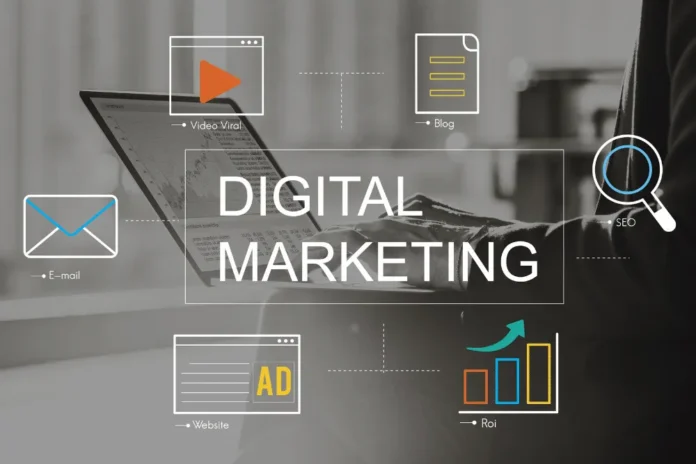
In today’s fast-paced digital landscape, the demand for skilled professionals in digital marketing is soaring higher than ever before. As businesses continue to embrace online platforms to reach and engage with their target audience, the need for individuals who possess expertise in digital marketing strategies and techniques has become paramount. But what exactly are the career options available in this dynamic field, and how can aspiring professionals carve out a successful career path? Let’s delve into the diverse world of digital marketing careers and uncover the myriad opportunities that await.
Overview of Digital Marketing Careers:
Digital marketing encompasses a broad spectrum of disciplines, each offering unique career pathways and opportunities for growth. From search engine optimization (SEO) and social media marketing (SMM) to content marketing, email marketing, and beyond, the field of digital marketing is as diverse as it is dynamic. Whether you’re passionate about analyzing data, crafting compelling content, or devising innovative marketing strategies, there’s a digital marketing career that aligns with your interests and skill set. Moreover, the flexibility and growth potential inherent in digital marketing careers make them an attractive option for individuals seeking rewarding and fulfilling professional opportunities in the digital age.
Core Areas of Digital Marketing Careers:
- Search Engine Optimization (SEO): SEO specialists play a crucial role in optimizing websites to improve their visibility in search engine results pages (SERPs). By conducting keyword research, optimizing website content, and implementing technical SEO strategies, SEO professionals help businesses attract organic traffic and enhance their online presence. With the ever-changing algorithms of search engines like Google, SEO careers offer constant challenges and opportunities for innovation.
- Social Media Marketing (SMM): Social media has transformed the way businesses connect with their audience, making SMM specialists indispensable in today’s digital landscape. These professionals are responsible for creating and executing social media strategies, managing social media accounts, and engaging with followers to build brand awareness and drive engagement. From crafting compelling content to analyzing performance metrics, SMM careers require a blend of creativity, analytical skills, and strategic thinking.
- Content Marketing: Content marketing revolves around creating valuable, relevant, and engaging content to attract and retain a target audience. Content marketing careers encompass a wide range of roles, including content strategists, writers, editors, and multimedia specialists. Professionals in this field develop content strategies, produce blog posts, articles, videos, and other multimedia assets, and measure the effectiveness of their efforts through metrics such as engagement and conversion rates. With content being at the heart of digital marketing, content marketing careers offer immense opportunities for creativity and impact.
- Email Marketing: Email marketing remains one of the most effective channels for nurturing leads, retaining customers, and driving conversions. Email marketing specialists are tasked with creating and implementing email campaigns, segmenting email lists, and analyzing campaign performance metrics. These professionals leverage automation tools and personalization techniques to deliver targeted, relevant messages to subscribers, ultimately driving engagement and revenue. With email marketing continuing to evolve with advancements in technology and consumer behavior, careers in email marketing offer endless possibilities for innovation and growth.
Specialized Roles within Digital Marketing:
- Digital Marketing Manager: Digital marketing managers oversee the overall digital marketing strategy and execution for a company or client. They are responsible for setting goals, managing budgets, coordinating campaigns across various channels, and analyzing performance metrics to optimize results. Digital marketing managers often work closely with other departments, such as sales, product development, and customer service, to ensure alignment and consistency in messaging and branding.
- Social Media Manager: Social media managers are responsible for managing and growing a company’s presence on social media platforms. They create and curate content, engage with followers, monitor conversations, and analyze data to measure the effectiveness of social media efforts. Social media managers also stay up-to-date on social media trends and best practices, adjusting strategies as needed to maximize engagement and reach.
- Content Strategist: Content strategists play a pivotal role in shaping a brand’s content marketing efforts. They develop comprehensive content strategies aligned with business goals and target audience needs. Content strategists conduct market research, identify content opportunities, define content themes and formats, and oversee content creation and distribution. They also analyze content performance data to refine strategies and optimize results over time.
- SEO Specialist: SEO specialists focus on improving a website’s visibility and rankings in search engine results pages (SERPs). They conduct keyword research, optimize on-page and off-page elements, and implement technical SEO best practices to enhance website performance. SEO specialists also monitor search engine algorithms and industry trends to stay ahead of the curve and maintain or improve search rankings for targeted keywords.
Emerging Trends and Opportunities in Digital Marketing:
- Voice Search Optimization: With the increasing popularity of voice-enabled devices like smart speakers and virtual assistants, voice search optimization has become a critical aspect of digital marketing. Optimizing content for voice search queries and implementing conversational keywords can help businesses reach audiences using voice search, thereby staying ahead in the evolving digital landscape.
- AI and Machine Learning: Artificial intelligence (AI) and machine learning (ML) technologies are revolutionizing digital marketing by enabling personalized customer experiences, predictive analytics, and automated campaign optimization. AI-powered tools can analyze vast amounts of data to identify patterns and trends, allowing marketers to make data-driven decisions and deliver targeted messaging at scale.
- Video Marketing: Video content continues to dominate the digital landscape, with platforms like YouTube, TikTok, and Instagram Reels driving engagement and consumption. Businesses are increasingly leveraging video marketing to tell compelling stories, showcase products or services, and connect with audiences on a more personal level. From short-form videos to live streams and tutorials, video marketing offers endless opportunities for creativity and audience engagement.
- Influencer Marketing: Influencer marketing has emerged as a powerful strategy for brands to reach and engage with their target audience through trusted voices and personalities. Collaborating with influencers allows brands to tap into their established following, credibility, and authenticity to promote products or services authentically. As influencer marketing continues to evolve, businesses can explore niche influencers and micro-influencers to create more targeted and impactful campaigns.
Skills and Qualifications Needed for a Career in Digital Marketing:
- Technical Skills:
- Proficiency in digital marketing tools and platforms such as Google Analytics, Google Ads, Facebook Ads Manager, and email marketing software.
- Basic understanding of HTML, CSS, and web development principles for website optimization.
- Knowledge of SEO techniques, including keyword research, on-page optimization, and link building strategies.
- Familiarity with data analysis and reporting tools to track and measure campaign performance.
- Analytical Skills:
- Ability to analyze data and interpret key performance metrics to inform decision-making and optimize marketing strategies.
- Strong analytical thinking and problem-solving skills to identify trends, patterns, and opportunities for improvement.
- Comfort with quantitative analysis and statistical methods to derive actionable insights from marketing data.
- Creativity and Content Creation Skills:
- Proficiency in content creation tools such as graphic design software (e.g., Adobe Photoshop, Canva) and video editing software (e.g., Adobe Premiere Pro, Final Cut Pro).
- Strong writing and storytelling abilities to create compelling and engaging content across various digital channels.
- Creativity to develop innovative marketing campaigns and content ideas that resonate with target audiences and differentiate brands in the crowded digital landscape.
- Communication and Interpersonal Skills:
- Excellent written and verbal communication skills to effectively convey ideas, messages, and brand stories to diverse audiences.
- Ability to collaborate and work cross-functionally with team members, stakeholders, and external partners to execute marketing initiatives and achieve business objectives.
- Strong interpersonal skills to build and maintain relationships with clients, customers, and influencers, fostering trust and loyalty over time.
Education and Training Options for Aspiring Digital Marketers:
- Traditional Degree Programs:
- A bachelor’s degree in marketing, communications, business administration, or a related field provides a solid foundation in marketing principles and strategies.
- A Master’s degree or MBA with a concentration in digital marketing or e-commerce offers advanced knowledge and specialized training in digital marketing concepts and practices.
- Online Courses and Certifications:
- Online courses and certifications from reputable platforms like Coursera, Udemy, and HubSpot Academy offer flexible and affordable options for learning digital marketing skills.
- Specialized certifications in areas such as SEO, social media marketing, content marketing, and Google Analytics demonstrate expertise and credibility to potential employers.
- Workshops and Bootcamps:
- Workshops and boot camps provide hands-on, intensive training in specific areas of digital marketing, such as social media advertising, email marketing, or search engine optimization.
- These short-term programs offer practical skills and real-world experience, making them ideal for individuals looking to quickly upskill or transition into a career in digital marketing.
- On-the-Job Training and Internships:
- Internships and entry-level positions in marketing departments or digital agencies offer valuable on-the-job training and experience.
- Working alongside experienced professionals allows aspiring digital marketers to gain practical skills, industry insights, and networking opportunities while contributing to real-world projects and campaigns.
Conclusion:
In conclusion, the field of digital marketing offers a wealth of career opportunities for individuals with a passion for creativity, analytics, and innovation. Whether you’re interested in search engine optimization, social media marketing, content creation, or data analysis, there’s a role within digital marketing that aligns with your skills and interests. With the rapid evolution of technology and consumer behavior, digital marketers must stay agile, adaptable, and committed to lifelong learning to thrive in this dynamic field.
Aspiring digital marketers can embark on their career journey through a variety of educational pathways, including traditional degree programs, online courses, workshops, and on-the-job training. By acquiring a diverse skill set, staying abreast of emerging trends and technologies, and continuously honing their craft, individuals can unlock exciting opportunities for growth and advancement in the ever-evolving world of digital marketing.
