
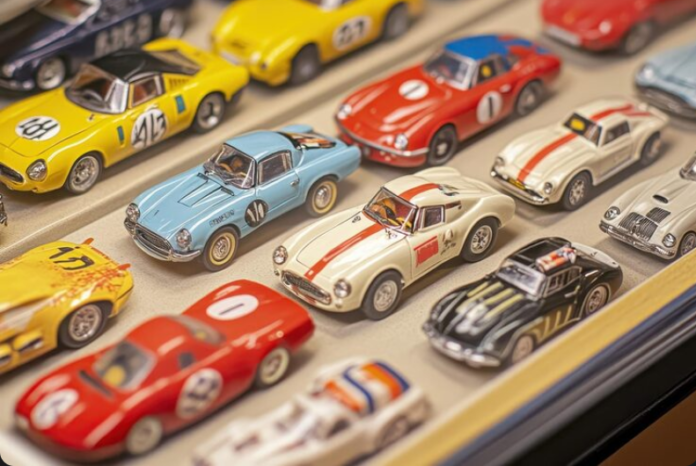
Diecast model cars have been a favorite collectible for decades, appealing to children, hobbyists, and serious collectors alike. Among the most recognized names in this space are Hot Wheels diecast and Matchbox diecast, both of which have shaped the way miniature vehicles are designed, produced, and collected around the world. While they share similarities in scale and purpose, each brand has its own identity, history, and appeal that continues to attract millions of fans.
Hot Wheels diecast and Matchbox diecast represent more than just toy cars; they reflect automotive culture in miniature form. Whether displayed on shelves, used in racing tracks, or stored as investment collectibles, these tiny vehicles hold significant emotional and cultural value for collectors of all ages.
The History of Hot Wheels Diecast
Hot Wheels diecast vehicles were introduced in 1968 by Mattel as a revolutionary take on toy cars. Designed to be faster, more stylized, and more durable than competitors at the time, Hot Wheels quickly became a household name. The brand focused on performance and imagination, creating cars with low-friction wheels that could race on plastic tracks at high speeds.
Over the years, Hot Wheels diecast models have evolved into highly detailed replicas of real-world vehicles as well as imaginative fantasy designs. From muscle cars and supercars to futuristic concepts, Hot Wheels continues to push creative boundaries. Collectors often seek limited editions, rare variations, and convention-exclusive releases, which can become highly valuable over time.
Today, Hot Wheels diecast is not just a toy line but a global collecting phenomenon. Enthusiasts track production years, variations, wheel types, and packaging differences to identify rare pieces. The thrill of discovering a rare Hot Wheels diecast model is part of what keeps collectors engaged.
The Legacy of Matchbox Diecast
Matchbox diecast has an even longer history, dating back to the early 1950s in the United Kingdom. The brand was created by Lesney Products and became famous for producing small vehicles that could fit inside a matchbox, hence the name Matchbox. These models were known for their realistic designs and strong focus on everyday vehicles.
Unlike the more performance-oriented Hot Wheels diecast line, Matchbox diecast has traditionally emphasized realism and accuracy. Fire trucks, police cars, construction vehicles, and utility trucks have always been central to the brand’s identity. This focus made Matchbox diecast especially popular among children who enjoyed role-playing real-world scenarios.
Over time, Matchbox evolved under different ownership but maintained its core philosophy of realistic vehicle representation. Collectors appreciate Matchbox diecast for its attention to detail, historical value, and representation of automotive diversity.
Hot Wheels Diecast vs Matchbox Diecast: Key Differences
Although Hot Wheels diecast and Matchbox diecast are often compared, they serve slightly different purposes in the collecting world.
Hot Wheels diecast is known for its stylized designs, flashy colors, and performance-based concepts. These cars are built for speed, creativity, and track performance. Many Hot Wheels models feature exaggerated proportions, wide wheels, and unique paint schemes that make them stand out visually.
On the other hand, Matchbox diecast focuses on realism and everyday life vehicles. The designs are more grounded, often replicating real-world cars with accurate proportions and functional details. This makes Matchbox diecast particularly appealing to collectors who prefer authenticity over fantasy.
Despite these differences, both brands complement each other in a collector’s display. Many enthusiasts collect both Hot Wheels diecast and Matchbox diecast to enjoy a balanced mix of imagination and realism.
Collecting Hot Wheels Diecast Models
Collecting Hot Wheels diecast models can be both exciting and rewarding. Some collectors focus on specific themes such as muscle cars, Japanese imports, or supercars, while others aim to complete entire yearly sets.
One of the most appealing aspects of Hot Wheels diecast collecting is the “Treasure Hunt” series. These are special hidden models released in limited quantities, often featuring unique paint or wheel designs. Finding one of these cars in a retail store can be a thrilling experience for collectors.
Packaging also plays an important role in value. Hot Wheels diecast models that remain in unopened packaging often retain higher value, especially if they are part of a limited release. Condition, rarity, and demand all influence the long-term worth of a collectible piece.
The Appeal of Matchbox Diecast Collecting
Matchbox diecast collecting attracts enthusiasts who appreciate realism and historical accuracy. Many collectors enjoy assembling fleets of emergency vehicles, service trucks, or vintage automobiles that reflect real-life transportation systems.
Matchbox diecast also offers a sense of nostalgia for many collectors. Because the brand has been around for decades, older models often remind people of childhood memories. Vintage Matchbox diecast vehicles from the 1960s and 1970s are especially sought after in the collector community.
Another unique aspect of Matchbox diecast is its educational value. These models often introduce younger audiences to different types of vehicles and their real-world functions. From ambulances to tow trucks, Matchbox diecast helps illustrate how transportation systems work in everyday life.
Investment Value of Diecast Models
Both Hot Wheels diecast and Matchbox diecast can hold investment potential, depending on rarity and condition. While most mass-produced models remain affordable, certain limited editions and discontinued releases can increase in value over time.
Collectors often research production numbers, error variations, and special releases to identify valuable pieces. For example, early Hot Wheels diecast models from the Redline era are considered highly collectible. Similarly, vintage Matchbox diecast models in original packaging can command impressive prices among enthusiasts.
However, most collectors agree that the true value lies in enjoyment rather than profit. The satisfaction of building a personal collection of Hot Wheels diecast and Matchbox diecast vehicles often outweighs financial considerations.
Display and Storage Tips for Collectors
Proper storage and display are important for maintaining the condition of diecast models. Many collectors use display cases, wall-mounted shelves, or protective boxes to showcase their Hot Wheels diecast and Matchbox diecast collections.
Keeping models away from direct sunlight helps prevent paint fading and plastic deterioration. Temperature control and dust protection also contribute to preserving long-term quality. Some collectors even organize their displays by theme, brand, or scale to create visually appealing arrangements.
Organizing Hot Wheels diecast and Matchbox diecast collections can also enhance the enjoyment of the hobby. It allows collectors to appreciate differences in design, scale accuracy, and brand identity more clearly.
The Future of Diecast Collecting
The popularity of Hot Wheels diecast and Matchbox diecast continues to grow in the modern era. With advancements in manufacturing technology, models are becoming more detailed and realistic than ever before. At the same time, nostalgic appeal keeps older models in high demand.
Digital communities and collector forums have also strengthened the hobby. Enthusiasts now share collections, trade models, and discuss rare finds online, expanding the global reach of both Hot Wheels diecast and Matchbox diecast collecting.
As long as automotive culture remains popular, diecast collecting will continue to thrive. Both brands are expected to evolve while maintaining their core identities, ensuring that future generations can enjoy the same excitement that collectors experience today.
Conclusion
Hot Wheels diecast and Matchbox diecast have each carved out a unique place in the world of miniature collectibles. One emphasizes speed, imagination, and stylized design, while the other focuses on realism and everyday automotive life. Together, they offer collectors a diverse and engaging hobby that spans generations.
Whether you are just starting your collection or have been collecting for years, Hot Wheels diecast and Matchbox diecast provide endless opportunities for discovery, nostalgia, and enjoyment.
