
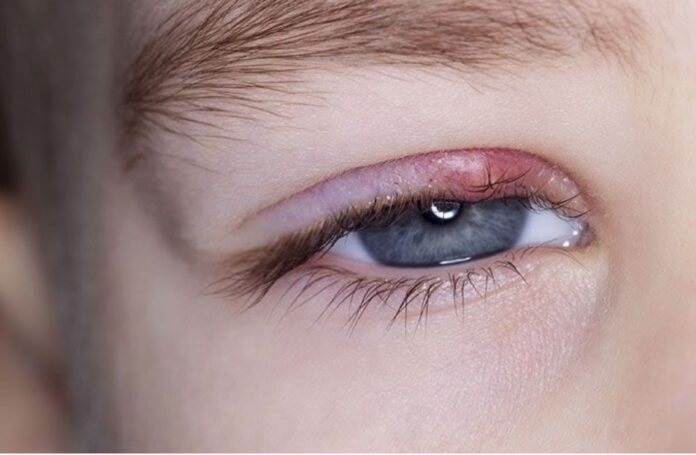
A stye can cause a small but uncomfortable lump around the eyelid, often accompanied by redness, tenderness, swelling, or irritation. Although a stye may look like a spot that needs to be popped, squeezing it can increase irritation and may spread bacteria around the eyelid. Safe stye relief uk approaches focus on gentle care, warmth, cleanliness, and allowing natural healing to take place. Simple home measures can often reduce discomfort while supporting the normal recovery process. Understanding what causes a stye and which steps should be avoided can make eyelid care easier and help prevent unnecessary complications.
What Is a Stye?
A stye is a tender, red lump that develops near the edge of the eyelid. It commonly occurs when an eyelid oil gland or eyelash follicle becomes blocked and infected, often involving bacteria such as Staphylococcus. A stye may appear on the outside of the eyelid or develop deeper inside the eyelid. Symptoms can include localized swelling, tenderness, redness, watering, and a feeling that something is present in the eye.
Why Squeezing a Stye Should Be Avoided
Squeezing or popping a stye can damage delicate eyelid tissue and introduce additional bacteria into the affected area. Pressure may also push infected material deeper into surrounding tissue rather than allowing natural drainage. This can increase swelling, discomfort, and the risk of a more significant eyelid infection. Picking at the area can also delay healing. For safer stye relief uk care, gentle treatment is preferable to attempting to drain the lump manually.
Use a Warm Compress
A warm compress is one of the simplest methods for easing stye discomfort. A clean cloth can be soaked in comfortably warm water, wrung out, and placed gently over the closed eyelid for around 5 to 10 minutes. The warmth can soften oils blocking the affected gland and encourage natural drainage. The cloth should remain clean during each application, and excessive heat should be avoided because eyelid skin is particularly delicate.
Keep the Eyelid Clean
Good eyelid hygiene can help reduce irritation and limit the buildup of oils, debris, and bacteria around the affected area. Hands should be washed before touching the face or applying a warm compress. The eyelid can be gently cleaned with clean water without rubbing or scrubbing the stye. Makeup residue should also be removed carefully. Clean towels and pillowcases can further support good hygiene during recovery.
Avoid Eye Makeup and Contact Lenses
Eye makeup can irritate an inflamed eyelid and may introduce additional bacteria to the area. Mascara, eyeliner, and other products used around the eyes are best avoided while a stye is present. Contact lenses may also cause additional irritation, particularly when the eyelid is swollen or tender. Temporary use of glasses can provide a more comfortable option until the eyelid has recovered.
Do Not Rub or Pick the Area
Rubbing the eye can make swelling and irritation worse. Fingers can also transfer bacteria to the eyelid, particularly after touching phones, keyboards, door handles, or other frequently handled surfaces. Keeping hands away from the affected eyelid is therefore an important part of stye care. If itching or discomfort occurs, a clean warm compress can provide a gentler alternative to rubbing.
How Long Can a Stye Take to Heal?
Many uncomplicated styes improve naturally within several days and may completely settle within one to two weeks. The exact recovery time can vary depending on the size, location, and severity of the inflammation. Consistent eyelid hygiene and warm compresses may support the healing process. A stye that continues getting larger, becomes increasingly painful, or does not improve should receive professional medical assessment.
When Should Medical Advice Be Considered?
Medical advice is appropriate when swelling becomes severe, redness spreads beyond the eyelid, vision changes occur, significant eye pain develops, or symptoms continue without improvement. Frequent styes may also require professional assessment because recurring eyelid inflammation can sometimes be associated with underlying eyelid conditions. A healthcare professional can determine whether further treatment is necessary and identify whether the lump is actually a stye or another type of eyelid problem.
Can a Stye Be Prevented?
Good hygiene can lower the chance of recurring eyelid problems. Hands should be washed regularly, especially before touching the eyes. Eye makeup should be removed before sleeping, and makeup products should not be shared. Old or contaminated eye cosmetics should be replaced. Contact lenses should be handled according to recommended cleaning and storage practices. Regularly cleaning the eyelid area can also help reduce the accumulation of oils and debris that may contribute to blocked glands.
Safe Stye Relief UK: Simple Care Matters
Effective stye relief uk does not require squeezing, puncturing, or popping the affected area. Gentle warmth, clean hands, careful eyelid hygiene, and avoiding makeup or unnecessary touching can provide practical support while the stye heals naturally. Patience is important because attempting to speed up drainage through pressure may create additional problems. Persistent, severe, or unusual symptoms should be assessed by an appropriate healthcare professional rather than treated through home methods alone.
The Bye Co. for Everyday Eye Care
The Bye Co. provides practical eye-care products designed to support everyday comfort and hygiene. For people looking for convenient options alongside sensible eyelid-care habits, The Bye Co. offers products focused on maintaining a clean and comfortable eye area. Proper product use should always follow the instructions provided with each item, particularly around sensitive areas such as the eyes. The Bye Co. can be considered as part of a broader personal eye-care routine, while persistent or serious eye symptoms should always receive appropriate professional attention.
