
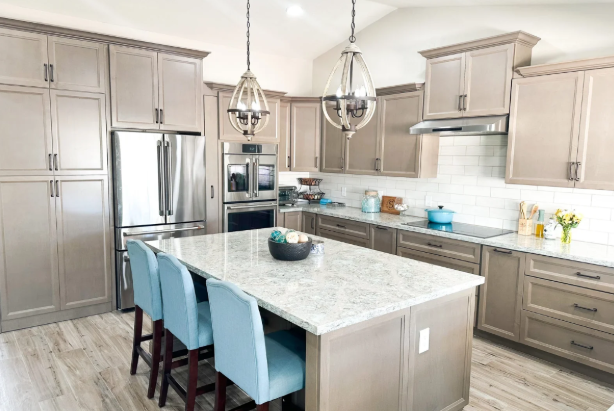
A well-designed kitchen needs more than attractive cabinets and reliable cooking appliances. Effective ventilation helps remove smoke, grease, steam, and lingering cooking odours, making the space more comfortable for everyday use. When cabinet space is limited, choosing a ventilation system that fits neatly beneath an existing cabinet can help maintain a practical layout without sacrificing functionality.
A stainless under-cabinet range hood combines a space-conscious installation style with a durable, contemporary finish. However, selecting the right model involves more than appearance. Factors such as ventilation capacity, installation dimensions, noise levels, filtration, and maintenance all contribute to long-term performance.
Why Choose an Under-Cabinet Design?
Under-cabinet range hoods are installed beneath kitchen cabinets, directly above the cooktop or range. This arrangement makes them particularly useful in kitchens where a wall-mounted chimney hood or a larger decorative ventilation system may not fit the existing layout.
Because the hood occupies the space beneath a cabinet, it can preserve the overall flow of the kitchen while providing ventilation close to the cooking surface. This design can work well in apartments, smaller homes, and traditional kitchens where storage space is valuable.
Before choosing a model, measure the available cabinet width and depth, the cooking appliance below it, and the clearance between the cooktop and hood. The hood should provide appropriate coverage for the cooking surface, and installation must follow the manufacturer’s required clearances and local building codes.
Understand the Benefits of Stainless Steel
Stainless steel is a popular appliance finish because it offers a clean, professional appearance that complements a wide range of kitchen styles. Its neutral metallic tone works with white cabinets, dark cabinetry, natural wood, and contemporary countertops.
A stainless under-cabinet range hood can also coordinate easily with other kitchen appliances, helping create a consistent design. Beyond aesthetics, stainless steel is valued for its corrosion resistance, although its performance depends on the specific grade, surface condition, and exposure to moisture or harsh cleaning chemicals.
Fingerprints, water spots, and cooking residue can appear on stainless steel, particularly in a busy kitchen. Fortunately, routine cleaning with a soft cloth, mild soap, and water can help preserve its appearance. Drying the surface after cleaning can also reduce visible water marks. Avoid abrasive pads and harsh cleaners that may scratch or damage the finish.
Compare Ventilation Capacity and Fan Settings
A range hood needs sufficient airflow to manage the smoke, grease, heat, and odours generated by your cooking habits. Airflow is commonly measured in cubic feet per minute (CFM), but a higher number does not automatically mean a better fit for every kitchen.
Consider the type of range you use, how frequently you cook, and whether you regularly fry, sear, or prepare meals at high temperatures. These activities may require more ventilation than occasional low-heat cooking.
Multiple fan speeds can provide flexibility. A lower setting may be adequate for simmering or light cooking, while a higher setting can help manage heavier cooking emissions. Noise levels should also be considered, especially in open-plan homes where the kitchen shares space with a living or dining area.
Pay Attention to Filters and Lighting
Filters are essential to a range hood’s operation. Grease filters capture airborne grease before it accumulates inside the ventilation system. Depending on the model, these filters may be removable metal mesh or baffle designs.
Check whether the filters are easy to access and clean. Some metal filters can be washed in a dishwasher, while others require hand washing. Always follow the product’s maintenance instructions and allow cleaned filters to dry completely before reinstalling them.
Built-in lighting is another useful feature. Proper illumination helps you see ingredients and monitor food while cooking. Compare the light placement, brightness, and replacement requirements when evaluating different models.
Choose a Hood That Complements Your Kitchen
The right range hood balances effective ventilation, convenient maintenance, appropriate dimensions, and a finish that complements the surrounding space. For homeowners planning an appliance upgrade, understanding All You Need to Know About Stainless Steel in Appliances can also help when comparing finishes, durability, and care requirements across the kitchen. Taking time to compare these factors helps you select a system that meets your cooking needs while supporting a clean, cohesive kitchen design.
