
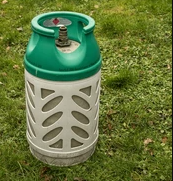
Patio gas bottles are a convenient way to power barbecues, heaters, and other outdoor appliances. However, improper storage can pose safety risks, including gas leaks and fire hazards. To ensure safety and longevity, it’s essential to store your patio gas bottle correctly. This guide will cover everything you need to know about safe storage, including location selection, handling precautions, and maintenance tips.
Why Safe Storage is Crucial
Storing your patio gas bottle safely prevents hazards such as gas leaks, explosions, and fire outbreaks. Improper storage can also lead to regulatory violations and unnecessary expenses due to gas loss. Following the correct storage practices will help protect your family, property, and appliances while extending the life of your gas bottle.
Gas leaks can be particularly dangerous, as propane and butane are highly flammable. Even a small leak can lead to a significant fire risk, especially in enclosed or poorly ventilated areas. By storing your gas bottle safely, you minimize the chances of leaks and potential accidents, ensuring a safer environment for you and your loved ones.
Another reason to prioritize proper storage is to maintain the efficiency and longevity of your gas bottle. Exposure to extreme weather conditions, direct sunlight, or high humidity can degrade the bottle over time, leading to rust, corrosion, or pressure build-up. Proper storage extends the usability of the gas bottle and ensures that it remains in optimal condition for future use.
Choosing the Right Storage Location
Selecting the right location for your patio gas bottle is the first step toward ensuring safety. Here are key factors to consider:
1. Store Outdoors in a Well-Ventilated Area
Gas bottles should always be stored outdoors in an area with good ventilation. This prevents gas accumulation in case of a leak, reducing the risk of fire or explosion. Poorly ventilated areas can allow gas to build up, creating a hazardous situation, especially if the gas is heavier than air and settles at low levels.
2. Keep Away from Direct Sunlight and Heat Sources
Excessive heat can cause gas expansion, increasing pressure inside the bottle. Store your gas bottle in a shaded area, away from direct sunlight, heaters, and electrical appliances. A dedicated gas storage area with adequate shade and airflow can help minimize temperature fluctuations and pressure buildup.
3. Keep Upright and Secure
Ensure that the gas bottle remains in an upright position to avoid leaks. Use a secure stand or bracket to prevent tipping over. Laying the gas bottle on its side can increase the risk of gas escaping and may compromise the safety valve’s functionality.
4. Maintain Distance from Flammable Materials
Gas bottles should be kept away from flammable substances such as fuel, wood, and chemicals. Maintain at least 3 meters of clearance from ignition sources. This reduces the risk of fire in the event of a leak.
5. Avoid Enclosed Spaces
Never store patio gas bottles inside garages, sheds, basements, or other enclosed areas. These spaces can trap gas leaks, leading to dangerous accumulations. Gas should always be stored in a designated open space where leaks can safely dissipate.
Proper Handling and Maintenance
Safe handling and regular maintenance of your gas bottle will help prevent accidents and ensure optimal performance.
1. Check for Leaks Regularly
Before storing or using your patio gas bottle, check for leaks using a simple soap and water solution. Apply the solution to the valve and hose connection; if bubbles form, there is a leak that needs attention.
2. Turn Off the Valve When Not in Use
When your gas bottle is not in use, always turn off the valve to prevent unintentional gas release. This simple step can prevent leaks and ensure that gas is only used when needed.
3. Use the Correct Regulator
Ensure that the regulator and hose connections are compatible with your gas bottle and appliances. Faulty regulators can cause leaks and inefficiencies, leading to gas wastage and potential hazards.
4. Inspect for Rust and Damage
Periodically check your gas bottle for signs of rust, dents, or corrosion. Damaged bottles should be replaced or checked by a certified professional.
5. Follow Manufacturer’s Guidelines
Each gas bottle has specific storage and handling guidelines provided by the manufacturer. Always refer to these recommendations for best practices.
Seasonal Storage Tips
If you store your patio gas bottle for an extended period, follow these additional guidelines:
1. Winter Storage
- Store the gas bottle outdoors, as propane gas can withstand cold temperatures.
- Ensure the bottle is positioned upright and on a stable surface to prevent tipping.
- Keep it protected from snow and ice accumulation.
2. Summer Storage
- Ensure proper shade to prevent overheating.
- Store in an area with sufficient airflow to dissipate any gas that may escape.
Transporting Your Gas Bottle Safely
If you need to move your patio gas bottle, follow these safety measures:
- Always transport the bottle in an upright position.
- Secure the bottle in place to prevent it from rolling or falling.
- Keep the valve closed and use a protective cap if provided.
- Avoid leaving the gas bottle in a closed vehicle for an extended period.
What to Do in Case of a Gas Leak
If you suspect a gas leak, act immediately:
- Turn Off the Valve – Shut off the gas supply at the source.
- Move Away from Ignition Sources – Avoid smoking, using electrical switches, or lighting matches.
- Increase Ventilation – Open windows and doors to disperse the gas.
- Check with a Soap Solution – Apply soapy water to the connections and look for bubbles.
- Contact a Professional – If the leak persists, call a qualified technician for inspection.
Conclusion
Storing your patio gas bottle safely is essential for preventing accidents and ensuring the longevity of your equipment. Always choose a well-ventilated outdoor location, keep the bottle upright, and inspect for leaks regularly. By following these essential storage and handling guidelines, you can enjoy a safe and hassle-free outdoor experience with your gas-powered appliances.
Remember, safety comes first. Proper storage and handling not only protect your home and loved ones but also ensure your patio gas bottle remains in good working condition for extended use. By taking these precautions, you can confidently enjoy your outdoor activities without worry.
Additionally, understanding the potential risks associated with gas storage and taking proactive measures to mitigate them can significantly enhance your overall safety. Regularly checking your gas bottle’s condition, replacing worn-out components, and staying informed about safety regulations will help you avoid unnecessary hazards.
Furthermore, if you frequently use patio gas bottles, consider investing in additional safety accessories such as gas leak detectors and secure storage cabinets designed for propane cylinders. These precautions will provide an added layer of protection, ensuring peace of mind whenever you use your outdoor appliances.
By prioritizing safe storage and maintenance practices, you can extend the lifespan of your patio gas bottle and enjoy an uninterrupted, safe outdoor experience throughout the year. Whether you’re hosting a barbecue, using a patio heater, or operating other gas-powered equipment, taking the right safety measures will keep you, your family, and your property secure.
