
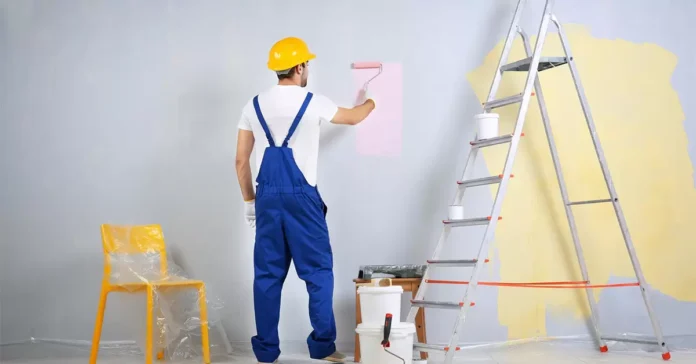
A fresh coat of paint can completely change the appearance, value, and atmosphere of a property. Whether you are refreshing a family home, renovating a rental property, or updating a commercial building, choosing experienced painters helps ensure durable, attractive results. Understanding the painting process also allows property owners to make informed decisions before beginning a project.
Painting involves much more than applying color to a surface. Proper preparation, selecting suitable materials, and using proven techniques all contribute to a finish that lasts for years. When these factors are overlooked, even expensive paint may fail prematurely, leading to peeling, fading, or uneven coverage.
For homeowners and business owners alike, learning how professional painting works can save time, reduce maintenance costs, and improve long-term property value. This guide explains the essentials of professional painting while sharing practical advice based on industry best practices.
Understanding What Professional Painters Do
Professional painters provide far more than basic wall painting. Their work begins with evaluating the condition of every surface before recommending the most appropriate products and preparation methods.
A typical painting project includes:
- Inspecting walls, ceilings, siding, or trim
- Repairing cracks, dents, and damaged drywall
- Cleaning surfaces thoroughly
- Sanding rough areas
- Applying primer where necessary
- Selecting suitable paint finishes
- Applying multiple coats evenly
- Performing final inspections and touch-ups
Each stage contributes to the durability and appearance of the finished project.
Different environments also require different approaches. Interior walls experience daily wear, while exterior surfaces must withstand sunlight, rain, humidity, and temperature changes. Experienced painters adjust their techniques based on these conditions.
A Step-by-Step Strategy for a Successful Painting Project
Planning ahead leads to smoother projects and better outcomes. Following a structured process helps avoid unnecessary delays and unexpected expenses.
Step 1: Evaluate the Existing Surface
Start by identifying peeling paint, water damage, mold, nail holes, or structural cracks. These issues should be repaired before painting begins.
For example, painting over moisture-damaged drywall without fixing the underlying problem usually results in bubbling paint within months.
Step 2: Choose the Right Paint
Not every paint works for every surface.
Interior living spaces often benefit from washable finishes that resist stains. Bathrooms and kitchens typically require moisture-resistant coatings, while exterior siding demands weather-resistant products.
Selecting the correct sheen also matters:
- Flat finishes hide imperfections.
- Eggshell works well in living areas.
- Satin offers easier cleaning.
- Semi-gloss suits trim and doors.
- Gloss provides maximum durability for high-contact surfaces.
Step 3: Prepare Thoroughly
Preparation often consumes more time than painting itself.
Professional preparation includes cleaning dirt, removing loose paint, sanding glossy surfaces, filling imperfections, and masking nearby fixtures. This creates a smooth foundation for consistent paint adhesion.
Skipping preparation almost always shortens the lifespan of the paint job.
Step 4: Apply Paint Correctly
Professional painters work systematically, maintaining consistent pressure and overlapping strokes to prevent visible lines.
They also monitor drying times carefully between coats instead of rushing the process.
This attention to detail creates smooth, uniform coverage.
Step 5: Complete a Final Inspection
Before considering the project finished, inspect surfaces under both natural and artificial lighting.
Small touch-ups often become noticeable only after paint dries completely.
A careful walkthrough ensures every area meets quality expectations.
Factors That Influence Painting Results
Several variables affect how well a painting project performs over time.
Surface Material
Drywall, wood, brick, stucco, concrete, and metal each require different preparation methods and paint formulations.
For example, untreated wood absorbs paint differently than previously painted drywall.
Climate Conditions
Exterior painting depends heavily on weather conditions.
Extreme heat may cause paint to dry too quickly, while excessive humidity can delay curing. Mild temperatures usually produce the best results.
Paint Quality
Higher-quality paint generally provides better coverage, stronger color retention, and longer-lasting protection.
Although premium paint often costs more initially, it frequently reduces maintenance expenses over the years.
Application Technique
Even premium materials cannot compensate for poor workmanship.
Proper brush control, roller selection, spray equipment, and coating thickness all influence the final appearance.
Common Painting Mistakes to Avoid
Many property owners encounter preventable problems by overlooking basic painting principles.
One common mistake is choosing paint based solely on color without considering durability or intended use.
Another frequent issue involves inadequate surface preparation. Dirt, grease, and loose paint prevent proper adhesion, causing premature failure.
Applying thick coats instead of multiple thin coats also creates problems. Heavy applications may sag, crack, or dry unevenly.
Some people also underestimate the importance of primer. Certain surfaces require primer to improve adhesion, block stains, and produce consistent color.
Finally, rushing drying times between coats often leads to visible imperfections and reduced durability.
Avoiding these mistakes significantly improves the final result.
Expert Recommendations for Long-Lasting Results
Successful painting projects combine quality materials with thoughtful planning.
Start by purchasing slightly more paint than estimated. Keeping leftover paint from the same batch simplifies future touch-ups.
Always test paint colors on a small section before committing to an entire room. Lighting changes throughout the day can dramatically affect color appearance.
Invest in quality brushes and rollers if completing the project yourself. Better tools produce smoother finishes while reducing streaks and lint.
Maintain good ventilation during interior painting to support proper drying and improve indoor air quality.
For exterior projects, schedule painting during stable weather conditions whenever possible.
Regular maintenance also extends paint life. Washing painted surfaces occasionally removes dirt and contaminants that gradually degrade finishes.
If small chips or scratches appear, repair them promptly before moisture penetrates beneath the coating.
These simple habits help preserve the appearance of painted surfaces for many years.
Conclusion
Professional painting combines technical knowledge, careful preparation, quality materials, and precise application techniques. While paint adds beauty to any property, its true value comes from protecting surfaces and extending the life of buildings.
Whether updating a single room or completing a full exterior renovation, understanding the complete painting process helps property owners make better decisions and achieve lasting results. By focusing on proper preparation, selecting suitable materials, avoiding common mistakes, and following proven best practices, every painting project can deliver attractive, durable results that continue to perform well long after the final coat has dried.
