
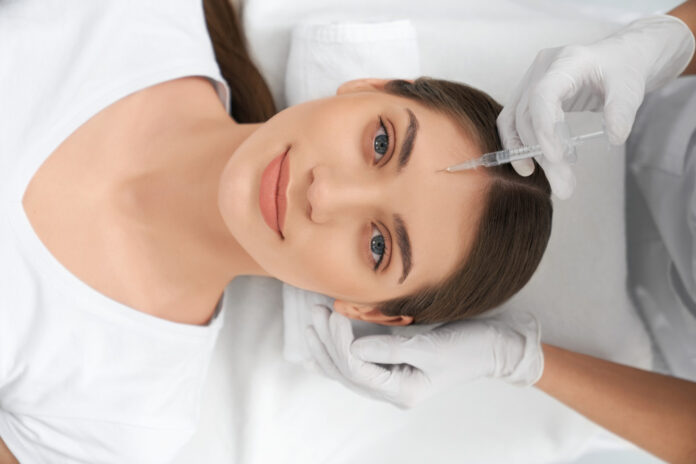
Platelet-rich plasma (PRP) is transforming the world of aesthetic treatments by offering a natural, non-surgical approach to skin and hair rejuvenation. Instead of relying on artificial fillers or invasive procedures, PRP harnesses the body’s own healing properties to stimulate collagen production, restore skin elasticity, and promote hair regrowth.
However, while PRP may seem straightforward, proper training is essential to ensure both safety and optimal results. Medical professionals and aesthetic practitioners who invest in PRP training courses gain the skills needed to deliver high-quality treatments while minimizing risks.
In this article, we will explore the science behind PRP for aesthetics, its diverse applications, and the importance of professional training for those looking to incorporate it into their practice.
Understanding PRP for Aesthetics
PRP is derived from the patient’s own blood. A small sample is drawn and processed using a centrifuge to separate platelet-rich plasma from red blood cells. The concentrated platelets are then reintroduced into the skin or scalp, where they stimulate natural healing, collagen production, and hair follicle regeneration.
Since PRP is derived from the patient’s body, there is minimal risk of allergic reactions or complications. This is one of the reasons it has become a preferred option for individuals looking for safer, more natural cosmetic treatments.
Common Uses of PRP in Aesthetic Medicine
1. Facial Rejuvenation (“Vampire Facial”)
PRP facial treatments improve skin texture, reduce fine lines, and even out pigmentation. This procedure activates collagen and elastin production, leading to firmer, smoother, and more youthful skin.
2. PRP Hair Treatment Training and Scalp Injections
Hair loss can be a distressing experience, but PRP injections offer a non-invasive solution. Many professionals enroll in PRP hair treatment training to learn the techniques required to stimulate hair growth, strengthen follicles, and slow down hair thinning.
3. Platelet-Rich Plasma Face Treatment
For individuals struggling with acne scars, sun damage, or uneven skin tone, PRP injections can be an effective treatment. When used in combination with microneedling, PRP accelerates the healing process and encourages the formation of new, healthy skin cells.
4. Plasma Procedure for Face & Under-Eye Rejuvenation
PRP is commonly used to treat dark circles, fine lines, and puffiness under the eyes. Unlike traditional fillers, which only add volume, PRP works to revitalize the delicate under-eye area by increasing circulation and collagen production.
5. Skin Repair and Acne Scar Reduction
For those dealing with scarring or skin irregularities, PRP can help smooth out imperfections over time. When injected into targeted areas, it triggers cell regeneration, softening scars and improving overall skin texture.
Why PRP Training is Essential for Aesthetic Practitioners
Even though PRP is a minimally invasive treatment, it requires proper knowledge, skill, and technique. A lack of training can lead to ineffective results, poor patient satisfaction, or even complications. Here’s why professionals must invest in structured PRP training:
1. Understanding the Science Behind PRP
To provide effective treatments, practitioners need a deep understanding of:
✅ How platelet-rich plasma interacts with skin and hair follicles
✅ The importance of platelet concentration levels
✅ How growth factors influence collagen production and tissue repair
A good PRP training center will cover the scientific foundation behind the treatment, ensuring that professionals have a strong theoretical base before they begin hands-on practice.
2. Learning Proper Injection Techniques
Every PRP injection needs to be administered at the correct depth and angle to achieve maximum absorption and effectiveness. Without proper technique, platelets may not reach the target tissue, reducing the treatment’s success.
3. Safety, Hygiene, and Patient Selection
Not every patient is a good candidate for PRP treatments. A well-trained professional will be able to:
✅ Screen patients for contraindications (e.g., blood disorders, skin infections)
✅ Follow strict hygiene and sterilization protocols
✅ Prevent common side effects such as bruising, swelling, or incorrect platelet activation
4. Combining PRP with Other Cosmetic Treatments
PRP is often used alongside microneedling, laser therapy, or dermal fillers to enhance results. Training programs teach practitioners how to customize treatment plans based on patient needs and skin conditions.
5. Avoiding Common PRP Mistakes
Some mistakes can reduce PRP’s effectiveness, including:
❌ Incorrect blood processing, leading to low platelet concentration
❌ Injecting PRP too deeply or superficially
❌ Not handling PRP properly before application
PRP courses teach practitioners how to avoid these mistakes and achieve the best possible outcomes for patients.
Who Can Benefit from PRP Training?
PRP training is not limited to dermatologists—many professionals can benefit, including:
- Aesthetic nurses looking to expand their expertise.
- Medical doctors and cosmetic surgeons offering skin and hair treatments.
- Regenerative medicine specialists who want to incorporate PRP into their practice.
With the increasing demand for natural aesthetic treatments, certified PRP training can open new career opportunities for professionals in the industry.
How to Choose the Right PRP Training Center
Not all training centers provide the same level of education. When selecting a PRP training course, professionals should look for:
✅ Accredited Programs with Certification
Choose a training center that offers recognized certifications to ensure credibility in the field.
✅ Experienced Instructors
Instructors should have hands-on experience performing PRP procedures and a track record of success.
✅ Hands-On Training with Real Patients
The best courses provide live demonstrations and practical training so participants can practice PRP injections in real clinical settings.
✅ Comprehensive Course Content
A structured PRP training program should cover:
✔️ Blood collection and centrifuge preparation
✔️ Injection techniques for hair and facial treatments
✔️ Patient assessment and safety protocols
✔️ Post-treatment care and follow-up guidelines
✅ Ongoing Support and Learning Resources
A high-quality training center offers ongoing mentorship and access to updated materials as PRP techniques evolve.
Final Thoughts: Why PRP Training Matters
PRP for aesthetics is one of the fastest-growing treatments in the cosmetic industry, providing a safe, natural, and effective alternative to invasive procedures. However, without proper training, practitioners risk delivering subpar results and dissatisfied clients.
For medical professionals and aesthetic practitioners looking to expand their expertise, certified PRP training is the key to success.
Start Your PRP Training at Regenerative Medicine Academy
If you’re looking to gain hands-on experience and expert knowledge in PRP treatments, the Regenerative Medicine Academy offers comprehensive training programs designed to help professionals master the latest PRP techniques.
🔹 Get certified and advance your career today!
