
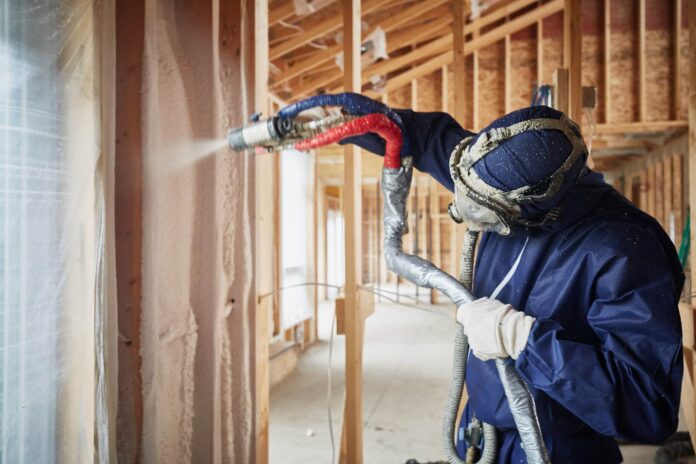
Insulating your home or commercial property in Raleigh isn’t just about comfort — it’s about long-term value. One of the most effective and lasting ways to improve energy efficiency is by choosing spray foam insulation in Raleigh.
Spray foam offers a compelling return on investment (ROI), thanks to its ability to reduce energy bills, control indoor temperatures, and protect the structure from moisture and air leaks. Whether you’re upgrading an older home or building something new, spray foam could be one of the smartest investments you make.
Why More Raleigh Homeowners Are Choosing Spray Foam
A Cost That Pays Itself Off
Yes, spray foam is more expensive up front than traditional options like fiberglass or cellulose. But where it shines is in how quickly it pays for itself. Most homeowners see lower energy bills within the first season — and that adds up year after year.
In fact, Energy Star estimates that proper insulation and air sealing can save up to 15% on heating and cooling costs, and spray foam is among the best materials for both.
Combines Two Benefits in One
What makes spray foam unique is that it acts as both insulation and an air barrier. This dual function means fewer drafts, better humidity control, and more consistent temperatures. Less air leakage also means your HVAC system runs less, extending its life and lowering maintenance costs.
Adds Real Value to Your Property
Homebuyers are increasingly aware of energy efficiency. A home insulated with spray foam can often command a higher resale price due to:
- Lower utility bills
- Improved comfort
- Enhanced building integrity
- Eco-conscious upgrades
[Image: Spray foam insulation applied in an attic for energy savings]
Types of Spray Foam: Closed-Cell vs. Open-Cell
Not all spray foam is created equal. There are two main types used in homes and commercial buildings:
Closed-Cell Spray Foam
This type is dense and rigid, with a high R-value per inch. It’s excellent for areas where moisture resistance, structural reinforcement, and maximum insulation performance are needed.
Benefits:
- High R-value (~6.5 per inch)
- Acts as a moisture barrier
- Strengthens walls and roofs
- Ideal for basements, crawlspaces, exterior walls, and roofing
Open-Cell Spray Foam
Softer and more flexible, open-cell foam expands more and is usually used for interior applications. It’s also more affordable and has soundproofing qualities.
Benefits:
- Lower R-value (~3.5 per inch)
- Great for hard-to-reach spaces
- Excellent for reducing sound transmission
- Best for interior walls, ceilings, and attics (in conditioned spaces)
Technical Comparison Table
| Feature | Closed-Cell Foam | Open-Cell Foam |
| R-Value (per inch) | ~6.5 | ~3.5 |
| Air Sealing | Excellent | Good |
| Water Resistance | High | Low |
| Sound Dampening | Moderate | Excellent |
| Structural Support | Yes | No |
| Cost | Higher | Lower |
| Ideal Applications | Basements, exteriors, roofs | Interior walls, ceilings |
Why Spray Foam Works So Well in Raleigh’s Climate
Raleigh’s humid subtropical climate creates a high demand for cooling in summer and efficient heating in winter. Spray foam works year-round to minimize energy loss and improve comfort.
Seals Against Moisture & Mold
Closed-cell foam is especially helpful in moisture-prone areas like crawlspaces, basements, and garages. By creating an airtight seal, it prevents water vapor from entering — reducing the risk of mold growth and structural decay.
Reduces HVAC Workload
Since less air escapes, your HVAC system doesn’t have to work as hard to regulate indoor temperatures. This lowers your electricity use and extends the life of expensive heating and cooling systems.
[Image: A Raleigh home under renovation with spray foam insulation installed between wall studs]
Pre-Installation Considerations: What to Know Before You Insulate
Assess Your Current Insulation
Before installing spray foam, have a professional conduct a home energy audit. This will identify areas where heat is escaping or air is leaking, and help prioritize insulation upgrades.
Check for Proper Ventilation
Spray foam seals tightly — which is great for efficiency, but it also limits airflow. To maintain indoor air quality, you may need mechanical ventilation or an air exchange system after installation.
Review Local Building Codes
In Raleigh and Wake County, building codes may require vapor barriers or specify fire ratings for insulation in certain areas. Always consult with a licensed contractor to ensure compliance.
Bonus Tip: Combine With Other Upgrades
If you’re already updating HVAC, windows, or siding — it’s a great time to add spray foam insulation. Doing everything at once helps maximize energy savings across your home.
Spray Foam vs. Traditional Insulation
Fiberglass Batts
- Inexpensive and easy to install
- Doesn’t seal air gaps
- Can degrade over time or be impacted by moisture
Cellulose
- Recycled material and eco-friendly
- Can settle or shift in walls
- Less effective against air leaks
Spray Foam
- Higher upfront cost
- Superior performance
- Long-lasting and resistant to pests and moisture
Market Data Snapshot
A recent study by HomeAdvisor showed that Raleigh homeowners who installed spray foam reported 25–35% lower energy bills in the first year. Many also reported improved indoor comfort and reduced outside noise.
Things to Consider Before Choosing Spray Foam
Is the Home Being Renovated?
Spray foam is easiest to apply when walls or ceilings are open. If your home is undergoing renovations, now’s the perfect time to insulate hard-to-reach spaces.
Budget and Priorities
If you can’t insulate the whole house at once, prioritize:
- Attics (where most heat escapes)
- Crawlspaces and basements
- Walls shared with the outdoors
Local Rebates or Incentives
Look into Duke Energy and NC Sustainable Energy Association programs. They may offer rebates or low-interest loans for energy-efficiency upgrades like insulation.

Common Homeowner Questions (Answered)
Can I Install Spray Foam Myself?
It’s not recommended. Spray foam involves chemical mixing, proper ventilation, and safety equipment. Mistakes can be costly — or even hazardous.
Is Spray Foam Eco-Friendly?
Many modern spray foams use non-toxic blowing agents and create an efficient building envelope, reducing carbon emissions over time.
Can I Use It in Older Homes?
Yes. Spray foam is often used in retrofits, especially in crawlspaces or attics. Just ensure proper ventilation and moisture control.
Does It Trap Moisture?
Closed-cell foam resists water, while open-cell is more permeable. Proper installation avoids issues with trapped moisture.
Bonus Tips for Homeowners
- Tip #1: Install spray foam before HVAC upgrades to reduce sizing needs.
- Tip #2: For sound-sensitive areas, use open-cell spray foam in interior walls.
- Tip #3: In garages or workshops, spray foam also helps control humidity.
Frequently Asked Questions About Home Insulation
What does “R-value” mean?
R-value is a measure of how well insulation resists heat flow. The higher the number, the better it insulates.
Will I see immediate results?
Yes. Many homeowners notice their home feels more comfortable — and utility bills begin to drop — within weeks of installation.
How long does spray foam last?
Typically 20+ years. Unlike fiberglass, it doesn’t sag or degrade.
Can spray foam reduce allergens?
By sealing out outdoor air, pollen, dust, and pests are less likely to enter, improving indoor air quality.
Is it fire-resistant?
Some spray foam products include fire retardants. In many cases, a thermal barrier (like drywall) is required by code.
Finding the Right Insulation Expertise
Spray foam is a long-term solution that improves comfort, energy savings, and even property value. But it’s important to choose the right type — and the right installer — based on your home’s unique needs.
For homeowners seeking expert advice or energy-efficient insulation services, Raleigh Excel Spray Foam Insulation is a trusted provider in the region. Their team understands Raleigh’s climate and specializes in insulation tailored for long-term performance.
Readers can learn more about Raleigh Excel Spray Foam Insulation’s services:
Company: Raleigh Excel Spray Foam Insulation
Phone: (919) 301-9435
Email: info@raleighexcelsprayfoam.com
Learn more about Raleigh Excel Spray Foam Insulation
