
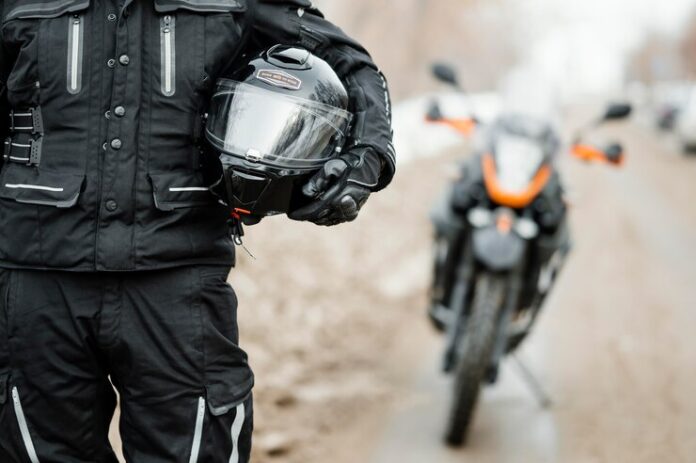
Let’s be real for a second—riding a motorcycle isn’t just about the thrill, the open road, and the wind in your hair (or through your helmet vents, hopefully). It’s also about staying alive and looking cool while doing it. That’s where motorcycle safety apparel enters like a leather-clad superhero.
Whether you’re a newbie rider or a seasoned road warrior, what you wear matters. We’re not talking about fashion week; we’re talking about gear that can literally save your hide—literally, as in your actual skin.
Why Protective Motorcycle Clothing Is More Than Just a Style Choice
Yes, leather jackets make you look like a rebel from a 90s action movie. But protective motorcycle clothing isn’t about looking cool (though that’s a nice bonus). It’s about surviving the kind of falls that turn your scooter into modern art.
A simple slide on asphalt can turn into a cheese-grating session on your limbs if you’re wearing regular clothes. Protective gear? It acts like a superhero shield… minus the cape. (Capes are not advisable while riding. We’ve all seen The Incredibles.)
The Key Elements of Motorcycle Safety Apparel
1. Helmets – Your Brain’s Best Friend
We’ll start with the obvious. Helmets are like that one friend who always tells you not to do stupid stuff—they protect you even when you don’t want to be protected.
- Full-face helmets: All-round protection, especially for the face you spent years growing.
- Modular helmets: Great for those who want to chat at stoplights or drink coffee without removing their helmet.
- Open-face helmets: More freedom, less protection. Choose wisely.
2. Jackets – Not Just for Looks
A proper motorcycle jacket isn’t just a fashion statement—it’s a bodyguard with style. Look for:
- Abrasion-resistant materials like leather or reinforced textiles.
- Armor inserts at elbows, shoulders, and back.
- Ventilation, because you’re not trying to slow cook yourself on summer rides.
3. Pants – Your Legs Deserve Protection Too
We get it—jeans are comfy. But not all jeans are created equal. Invest in motorcycle pants that:
- Are reinforced with Kevlar or similar materials.
- Have knee and hip protection.
- Fit well, because baggy pants and chains are so 2005 (and dangerous).
4. Gloves – Because Asphalt Isn’t a Hand Moisturizer
When you fall, your hands will instinctively go out to break the fall. So make sure they’re wrapped in something tougher than your gym gloves.
- Full-coverage leather or textile gloves with knuckle protection are ideal.
- Look for touchscreen compatibility, because stopping to take off your gloves every time your GPS changes its mind is not the move.
5. Boots – No Sneakers Allowed
Let’s talk about your feet. Your average sneakers are no match for the kind of impacts and abrasions a spill can bring.
- Motorcycle boots offer ankle support, reinforced soles, and abrasion resistance.
- Look for boots that are waterproof and have gear shift pads.
Material Matters – Leather, Textiles, or Both?
When shopping for gear, you’ll come across all kinds of materials. Here’s a quick breakdown:
Leather
- Offers great abrasion resistance.
- Tends to be more durable
- But… it’s not exactly breathable. You might feel like a rotisserie chicken in summer.
Textile
- Usually lighter and more breathable.
- Can be waterproof.
- May include advanced armor and ventilation systems.
What About Weather?
Because you’re not made of steel, you’ll need gear for all seasons.
Hot Weather
- Mesh jackets and pants with plenty of vents.
- Moisture-wicking base layers.
- Lighter colors to avoid frying like an egg on the seat.
Cold Weather
- Thermal liners and waterproof gear.
- Layer up with heated gloves or vests if you ride in sub-zero temps.
- Avoid scarves that flap around like flags in a wind tunnel.
How to Choose the Right Gear
Alright, now that you know what to wear, let’s talk about how to choose gear that fits right and does the job.
Fit
- Gear should be snug but not tight.
- Armor should sit on your joints, not shift around.
- If you feel like a sausage, it’s too tight. If you can fit a watermelon under your jacket, it’s too loose.
Certification
Look for gear with CE-certified armor. It’s the European standard, and if it’s good enough for racers flying off bikes at 100 mph, it’s good enough for your Sunday cruise.
Budget
Protective gear isn’t cheap—but neither are hospital bills. Prioritize where it counts: Helmet > Jacket > Gloves > Pants > Boots.
Common Myths (Debunked by People Who Ride)
“I’m just going around the block—I don’t need gear.”
Accidents don’t check your destination. Even low-speed crashes can ruin your day and your knees.
“I’ll just wear my old gym clothes.”
Unless your gym clothes are made of Kevlar and come with elbow armor, no thanks.
“Protective gear is uncomfortable.”
So is road rash, buddy. Pick your discomfort.
Maintenance Tips – Keep Your Gear Fresh (and Not Smelly)
- Air it out after rides to avoid turning your gear into a portable sauna.
- Use gear-specific cleaners—especially for leather.
- Replace armor if it’s cracked, and check zippers and seams regularly.
Where to Buy Quality Motorcycle Safety Apparel?
You can browse through local bike shops (and awkwardly try on jackets while trying not to knock over helmets), or head online.
Conclusion
Let’s wrap this up. Motorcycle riding is awesome—adrenaline, freedom, the open road. But don’t let poor choices in clothing turn your joyride into an ER visit.
Protective motorcycle clothing isn’t optional. It’s the difference between brushing off a fall and being airlifted out of your neighborhood like an action movie extra (except not fun).
So gear up, ride smart, and maybe keep the superhero poses to a minimum. (Unless you’re parked. Then, pose away.)
Frequently Asked Question
Is it okay to buy second-hand gear?
Helmets? No. Never. Gear like jackets or pants? Maybe—if it’s in good condition, clean, and the armor is intact.
Do I need to wear gear on short trips?
Absolutely. Crashes don’t care how far you’re going.
How often should I replace my helmet?
Every 5 years, or immediately after a crash—even if it looks fine.
Can I wear jeans while riding?
Only if they’re motorcycle-specific jeans with armor. Regular jeans are like wearing paper towels on your legs.
