
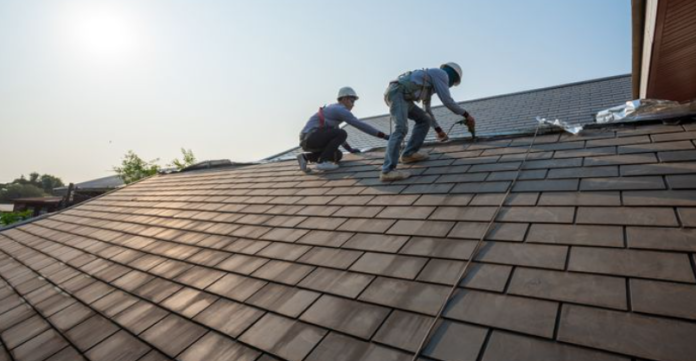
Home construction or renovation projects can significantly improve your property’s value, comfort, and functionality. However, they also introduce challenges that homeowners must manage to protect their investment and maintain a safe living environment. Whether you are remodeling a single room or completing a major renovation, taking preventive measures can help reduce stress and minimize damage. In some cases, unexpected weather or structural issues may require emergency roof replacement services to keep your home protected while construction is underway. By planning ahead and following practical maintenance strategies, you can ensure your home remains secure throughout the project.
Plan the Construction Process Carefully
A successful construction project begins with proper planning. Before work starts, discuss the project timeline, expected disruptions, and work schedule with your contractor. Understanding each phase of construction allows you to prepare your household and protect valuable belongings.
Create a checklist of tasks that should be completed before construction begins. These may include moving furniture, covering flooring, protecting landscaping, and setting up temporary storage areas. Planning ahead reduces confusion and helps keep the project organized.
Protect Your Roof from Damage
The roof is one of the most vulnerable parts of a home during construction, especially if renovations involve upper floors or structural modifications. Contractors should inspect the roof before work begins to identify existing issues such as loose shingles, damaged flashing, or leaks.
Temporary coverings or tarps may be necessary if sections of the roof will remain exposed during construction. These protective measures prevent rainwater from entering the home and damaging insulation, ceilings, and walls.
After severe weather, inspect the roof immediately to ensure no additional damage has occurred. Addressing problems quickly helps prevent expensive repairs later.
Keep Dust Under Control
Construction creates a significant amount of dust that can spread throughout the house. Fine dust particles may damage electronics, furniture, and HVAC systems if not properly managed.
To reduce dust:
- Seal off construction areas with plastic barriers.
- Cover furniture with protective sheets.
- Close air vents near work zones.
- Replace HVAC filters regularly.
- Vacuum frequently using HEPA-filter vacuums.
Maintaining clean indoor air improves comfort and protects your family’s health during the project.
Protect Flooring and High-Traffic Areas
Workers constantly moving equipment and materials can easily damage floors. Hardwood, tile, laminate, and carpets are all susceptible to scratches, stains, and dents.
Use protective floor coverings such as:
- Heavy-duty cardboard
- Protective floor mats
- Plastic runners
- Plywood sheets for heavy equipment
These materials help prevent unnecessary wear while allowing contractors to work efficiently.
Store Valuable Items Safely
Construction areas often become crowded with tools, building materials, and equipment. Valuable belongings should be removed from work areas to reduce the risk of accidental damage.
Items worth relocating include:
- Electronics
- Artwork
- Family heirlooms
- Jewelry
- Fragile decorations
- Important documents
Consider renting a temporary storage unit if the renovation affects multiple rooms.
Monitor Moisture Levels
Water intrusion can become a serious issue during construction, especially if walls or roofing materials are temporarily removed. Even a small amount of moisture can lead to mold growth if left untreated.
Inspect your home regularly for:
- Water stains
- Damp insulation
- Wet drywall
- Standing water
- Condensation around windows
Using dehumidifiers and fans can help maintain proper indoor humidity levels until construction is complete.
Maintain Proper Ventilation
Construction materials often release dust, fumes, and odors into the air. Proper ventilation keeps indoor air cleaner and more comfortable.
Open windows whenever weather permits and use exhaust fans to circulate fresh air. Contractors may also use temporary ventilation systems to remove airborne particles from enclosed workspaces.
Good airflow benefits both workers and homeowners by improving air quality throughout the renovation.
Secure Your Home Every Day
Construction sites can attract unwanted visitors, particularly when expensive tools and materials are left unattended overnight.
Improve security by:
- Locking all doors and windows
- Installing temporary security cameras
- Using motion-activated lighting
- Keeping valuable tools secured
- Closing garage doors after work hours
Discuss security procedures with your contractor to ensure everyone understands how the property will be protected.
Inspect Utilities Regularly
Major renovations often involve plumbing, electrical wiring, and HVAC systems. Temporary service interruptions may occur during construction.
Monitor your home’s utilities for:
- Water leaks
- Electrical issues
- Gas odors
- HVAC performance
- Circuit breaker problems
Report any unusual findings immediately so they can be addressed before they develop into larger issues.
Keep Outdoor Areas Organized
Construction materials stored outside can damage landscaping or create safety hazards. Organizing outdoor workspaces helps maintain your property’s appearance while improving efficiency.
Ask contractors to designate specific locations for:
- Lumber
- Roofing materials
- Concrete supplies
- Waste containers
- Equipment parking
Keeping pathways clear also improves safety for family members and visitors.
Dispose of Construction Debris Promptly
Construction debris accumulates quickly and can become hazardous if left unattended.
Common debris includes:
- Nails
- Wood scraps
- Broken drywall
- Roofing materials
- Packaging
- Metal pieces
Regular cleanup reduces accident risks and helps maintain an organized work environment. Many contractors schedule routine debris removal throughout the project instead of waiting until completion.
Communicate Frequently with Your Contractor
Open communication is one of the most effective ways to prevent misunderstandings. Schedule regular progress updates and ask questions whenever concerns arise.
Topics to discuss include:
- Project milestones
- Material deliveries
- Weather delays
- Unexpected repairs
- Safety precautions
- Budget adjustments
Staying informed allows homeowners to make timely decisions and avoid unnecessary complications.
Prepare for Weather Changes
Unexpected weather can delay construction and expose parts of the home to rain, wind, or extreme temperatures.
Contractors should monitor weather forecasts daily and prepare protective coverings before storms arrive. Temporary roofing, waterproof tarps, and drainage systems help reduce weather-related damage.
After severe weather, inspect both interior and exterior areas to ensure no water has entered the structure.
Perform a Final Home Inspection
Once construction is complete, conduct a thorough inspection before signing off on the project.
Check for:
- Roof integrity
- Wall finishes
- Flooring condition
- Window operation
- Plumbing functionality
- Electrical performance
- Paint quality
- Cleanup completion
Document any remaining issues and request corrections before making final payments.
Conclusion
Maintaining your home during construction requires careful planning, consistent inspections, and proactive communication with your contractor. Protecting your roof, controlling dust, securing valuables, monitoring utilities, and keeping the worksite organized all contribute to a smoother renovation experience. By taking preventive measures throughout every stage of construction, homeowners can reduce unexpected expenses, improve safety, and preserve their property’s condition. With proper preparation and attention to detail, your renovation can be completed efficiently while keeping your home comfortable and well protected from start to finish.
