
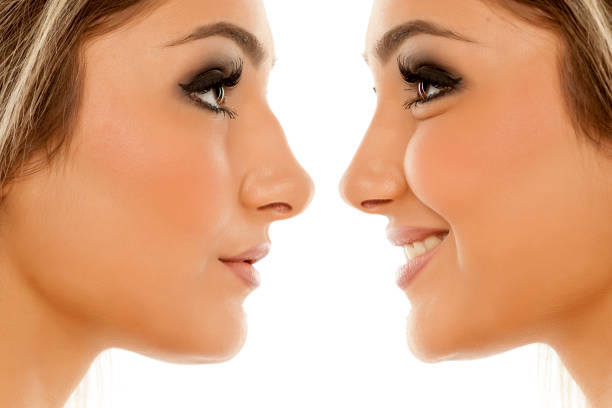
Rhinoplasty is among the most transformative cosmetic procedures, allowing individuals to reshape their nose for aesthetic or medical reasons. Whether it’s correcting a deviated septum, smoothing a nasal hump, or refining the tip, the results can significantly enhance facial harmony. However, the success of the procedure is not just about what happens in the operating room. A smooth and effective recovery plays a crucial role in achieving the desired outcome. If you’ve recently undergone or are planning to get Rhinoplasty in Islamabad, understanding and following proper recovery tips can make all the difference in your healing journey.
1. Follow Your Surgeon’s Instructions Carefully
Your plastic surgeon will provide detailed post-operative instructions tailored to your unique case. These may include how to care for your incisions, medications to take, signs of complications to watch for, and follow-up schedules. Adhering to these instructions is the most important step toward a successful recovery. Do not substitute or skip any medication, and be sure to attend all scheduled follow-up visits to monitor your progress.
2. Keep Your Head Elevated
One of the most essential recovery tips after rhinoplasty is keeping your head elevated, especially during the first week post-surgery. Elevating your head—even while sleeping—helps reduce swelling and speeds up the healing process. You can use two or three pillows or a wedge pillow to maintain a semi-upright position at night. Avoid bending over or lifting heavy objects, as these actions can increase blood pressure in your face and cause complications.
3. Apply Cold Compresses (With Care)
Swelling and bruising are natural after rhinoplasty, especially around the eyes and cheeks. Applying a cold compress can be highly effective in minimizing these symptoms during the first 48 to 72 hours. However, it’s essential not to place the compress directly on your nose. Instead, apply it gently around the cheeks and eyes to avoid putting pressure on the healing nasal structure.
4. Avoid Blowing Your Nose
After rhinoplasty, your nasal passages may feel blocked due to internal swelling or dried blood. While this sensation is uncomfortable, blowing your nose during recovery is strictly discouraged. Doing so can disrupt the healing process and even cause bleeding or dislocation of the newly shaped nasal bones. If you need to sneeze, try to do so with your mouth open to reduce pressure.
5. Stick to a Soft Diet Initially
You might not associate your nose with your diet, but after rhinoplasty, it’s best to stick to soft and easy-to-chew foods. Chewing hard or sticky foods can put pressure on your nose and cause discomfort. Additionally, drinking plenty of fluids helps flush out anesthesia and medications from your system and keeps your body hydrated, which is essential for recovery.
6. Don’t Wear Glasses Immediately
If you wear prescription glasses or sunglasses, you’ll need to avoid placing them on your nose for at least 4 to 6 weeks after surgery. The weight of the glasses can put unwanted pressure on the nasal bridge and affect healing. During this time, you can use alternative options like contact lenses or special frames that suspend the glasses from your forehead.
7. Be Patient with Swelling and Results
Many patients are eager to see their final nose shape immediately after surgery. However, it’s important to understand that the healing process is gradual. Swelling, especially at the nasal tip, can persist for several months. While some improvements are visible within a few weeks, final results may take up to a year to fully appear. Patience is key during this period.
8. Avoid Strenuous Activities
Exercise and physical exertion should be avoided for at least 2 to 3 weeks after rhinoplasty. Activities like running, lifting weights, or even vigorous walking can raise your heart rate and blood pressure, increasing the risk of bleeding or swelling. Always consult your surgeon before resuming your fitness routine.
9. Protect Your Nose from Sun Exposure
Newly operated skin is more sensitive to UV rays. Direct sun exposure can lead to pigmentation changes or prolonged swelling in the surgical area. If you must go outside, wear a wide-brimmed hat and apply sunscreen once your surgeon allows it. Protecting your nose from the sun during recovery ensures optimal results and prevents long-term skin damage.
10. Avoid Smoking and Alcohol
Both smoking and alcohol consumption can significantly delay the healing process. Nicotine constricts blood vessels, reducing oxygen supply to the tissues, while alcohol can increase swelling and bleeding risks. It is highly advisable to quit smoking and avoid alcohol for several weeks before and after surgery to ensure smooth healing and minimize complications.
11. Keep Your Incision Area Clean
If your rhinoplasty involved external incisions (as in open rhinoplasty), keeping the incision site clean is crucial to avoid infections and ensure proper scar healing. Use only the products recommended by your surgeon to gently cleanse the area. Avoid scrubbing or using over-the-counter products not approved for post-surgical care.
12. Manage Expectations
During recovery, especially in the early days, it’s common to feel emotional or uncertain about your appearance. The swelling, bruising, and temporary asymmetry can be unsettling. However, these effects are normal and temporary. Keeping a realistic outlook and maintaining open communication with your surgeon will help you stay reassured during the process.
13. Stay Consistent with Follow-Up Appointments
Recovery doesn’t end when you leave the clinic. Follow-up appointments play a vital role in ensuring that everything is healing as expected. Your surgeon can detect early signs of complications and address them before they become serious. These visits also give you a chance to ask questions and receive guidance as you transition through different healing stages.
Final Thoughts
Recovering from rhinoplasty requires care, patience, and commitment to your surgeon’s guidance. By following the above tips, you can support your body’s natural healing process and get closer to the results you envisioned. Whether you’re undergoing rhinoplasty for cosmetic reasons or to correct a functional issue, post-operative care plays an essential role in the overall success of the procedure.
If you are planning to get Rhinoplasty in Islamabad or have recently undergone the surgery, choosing the right clinic and following proper aftercare can greatly enhance your outcome. For expert guidance, modern facilities, and a team committed to patient care, trust Dynamic Clinic—your reliable partner in cosmetic transformation and recovery.
