
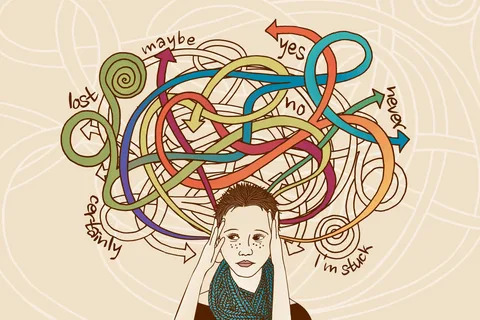
The LGBTQ+ community includes a wide range of identities and experiences, and it frequently faces particular difficulties that can have an adverse effect on mental health. One of the most common mental health issues in this population is anxiety disorders, which are caused by a combination of stressors, discrimination, and social stigma. Supporting LGBTQ+ people’s mental health and advancing holistic health care methods need offering inclusive and affirming anxiety treatment.
Comprehending Anxiety Within the LGBTQ+ Population
Prior to looking at inclusive care approaches for treating anxiety, it’s critical to comprehend how LGBTQ+ identities and mental health are related. Due to prejudice, discrimination, and social marginalization on the basis of sexual orientation, gender identity, or gender expression, LGBTQ+ people may suffer from minority stress. These pressures may be a factor in the community’s increased anxiety levels and other mental health issues.
Obstacles to Getting Treatment for Anxiety
Despite the significance of mental health care, LGBTQ+ individuals frequently face obstacles when attempting to receive treatment for anxiety. These obstacles may consist of:
1. Discrimination & Stigma
LGBTQ+ people may be discouraged from obtaining mental health assistance out of fear of prejudice or condemnation from medical professionals due to their gender identity or sexual orientation.
2. Inadequate Care for LGBTQ+ People
Effective treatment outcomes may be hampered by limited access to mental health professionals who are aware of and supportive of LGBTQ+ identities and experiences.
3. Systemic and Financial Barriers
Accessing therapy for anxiety can be difficult due to a variety of factors, including institutional hurdles within healthcare systems, lack of insurance coverage for mental health services, and financial restraints.
Treatment Strategies for Anxiety That Are Inclusive
In order to bridge these divides and advance LGBTQ+ community-inclusive anxiety therapy, healthcare providers should implement these strategies:
1. Develop Cultural Competence for LGBTQ+
Healthcare professionals should get instruction in LGBTQ+ cultural competency, covering topics such as identities, vocabulary, and the effects of minority stress on mental health. Effective care begins with establishing a warm and supportive environment.
2. Make Use of Inclusive Words and Formats
Make use of terminology and forms that are inclusive of all genders and that honor people’s preferred pronouns, names, and gender identities. Throughout the intake and therapy phases, patients feel more validated and comfortable when options beyond binary gender classifications are available.
3. Use Intersectional Perspectives
Acknowledge the intersections of identities, such as race, ethnicity, socioeconomic class, and disability, within the LGBTQ+ community. When treating anxiety, intersectional approaches take into account a range of experiences and adjust interventions accordingly.
4. Provide services for affirming support.
Give them access to LGBTQ+ support groups, LGBTQ+-specific therapy services, and tools for dealing with coming-out, family dynamics, and acceptance in the community. Peer relationships and support can be effective tools for treating anxiety and improving general wellbeing.
5. Promote Systemic and Policy Changes
Speak up in favor of practices and policies that prioritize LGBTQ+ inclusivity in healthcare systems, such as equal access to mental health resources, staff training, and nondiscrimination regulations. Engaging in partnerships with LGBTQ+ advocacy groups can enhance these initiatives.
Treatment Methods for Anxiety That Are Holistic
Holistic methods to anxiety treatment can help LGBTQ+ people by addressing social, emotional, and physical elements of well-being in addition to inclusive care practices. The following techniques can be included to improve overall outcomes related to mental health:
1. CBT, or cognitive-behavioral therapy
Individuals can control their anxiety symptoms, confront negative thought patterns, and develop resilience in handling minority stressors by utilizing CBT strategies customized to LGBTQ+ experiences.
2. Awareness and Stress Mitigation
Treatment plans for anxiety should include mindfulness exercises, relaxation methods, and stress-reduction tactics. Interventions based on mindfulness have the potential to enhance emotional control, self-awareness, and increased acceptance of oneself and others.
3. Wellness and Physical Activity
As a part of treating anxiety, promote regular exercise, a balanced diet, and enough sleep. Enhanced mood, effective stress management, and general mental health are all influenced by physical soundness.
4. Administration of Medication
Work together with medical professionals, such as primary care physicians and psychiatrists, to determine whether medication is necessary to treat anxiety symptoms. Observe the effects and side effects of medications while taking personal preferences and objectives into account.
Community Resources and Assistance
Acknowledge the significance of online resources, LGBTQ+ groups, and community support networks in offering continuous advocacy, education, and support. Assisting people in finding pertinent information promotes resilience, self-determination, and a feeling of acceptance within the LGBTQ+ community.
- Support Groups: Joining a support group specifically focused on anxiety can offer a sense of belonging and understanding. These groups often provide a safe space for sharing experiences, coping strategies, and emotional support. They can be in-person or online, making them accessible to a wider range of people.
- Counseling Services: Many communities offer counseling services through clinics, community centers, or mental health organizations. Counseling, whether individual or group-based, provides a structured environment for exploring anxiety triggers, learning coping skills, and developing strategies for managing symptoms.
- Hotlines and Helplines: Crisis hotlines and helplines are available 24/7 for immediate support during times of heightened anxiety or panic. Trained professionals can offer reassurance, coping techniques, and referrals to other resources as needed.
- Community Workshops and Education: Local organizations often host workshops, seminars, or educational sessions on mental health topics including anxiety. These events may cover topics such as stress management, mindfulness techniques, and recognizing signs of anxiety disorders.
- Online Resources: The internet offers a wealth of information and resources for anxiety, including reputable websites, forums, and apps focused on mental health. Online therapy platforms also provide access to licensed therapists through virtual sessions.
- Community Health Fairs: Health fairs and wellness events in your community may include mental health screenings, informational booths, and resources related to anxiety management. These events promote awareness and encourage individuals to seek help when needed.
- Peer Support Programs: Some communities have peer support programs where individuals with lived experience of anxiety or other mental health conditions are trained to provide support and guidance to others. Peer support can be a valuable complement to professional treatment.
In summary
In order to guarantee that anxiety therapy appropriately, respectfully, and affirmingly addresses the special needs of LGBTQ+ people, inclusive care approaches are essential. Healthcare practitioners can enhance mental health outcomes and foster well-being among the LGBTQ+ population by using holistic approaches, fostering cultural competence, removing barriers, and providing affirming support services. Working together, LGBTQ+ organizations, advocacy groups, and medical professionals can create inclusive settings where everyone may receive holistic care and high-quality anxiety treatment.
