
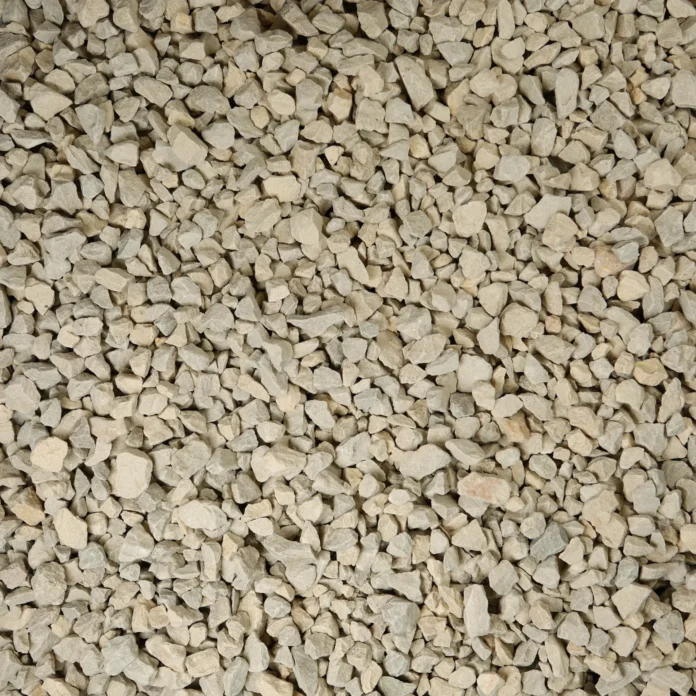
Choosing the right aggregate is an important part of many construction, landscaping, and groundwork projects. Aggregates provide strength, stability, drainage, and a suitable surface for different applications. From driveways and patios to foundations and road construction, the correct material can make a significant difference to the durability and performance of a project.
When searching for Aggregates Bradford, it is useful to understand the different types available and how each one can be used. Aggregates vary in size, texture, colour, strength, and drainage properties, making some materials more suitable for particular jobs than others.
Crushed Stone
Crushed stone is one of the most commonly used aggregate materials in construction and groundwork. It is produced by mechanically crushing larger rocks into different sizes. Because the pieces have irregular edges, they can lock together effectively when compacted.
This type of aggregate is commonly used for foundations, road bases, driveways, paths, and other areas where a stable surface is required. Different grades can be selected depending on the application. Larger pieces may provide a strong base, while smaller sizes can be used to create a more compact surface.
Gravel
Gravel is a popular choice for both practical and decorative projects. It generally consists of rounded or naturally weathered stones and is available in a variety of sizes and colours.
For domestic projects, gravel can be used for driveways, garden paths, borders, patios, and landscaping features. It can also provide useful drainage because water can pass through the spaces between individual stones.
When selecting gravel for a driveway, it is important to consider the size and shape of the stones. Angular gravel can provide greater stability, while rounded gravel may move more easily under vehicle traffic.
MOT Type 1
MOT Type 1 is a widely used crushed aggregate for creating stable sub-base layers. It is commonly used beneath driveways, patios, paths, roads, and other hardstanding areas.
The material usually contains a mixture of crushed stone and smaller particles. When properly compacted, these different sizes fit together to form a firm and stable layer.
For projects requiring a durable foundation, selecting suitable Aggregates Bradford suppliers can help ensure that the correct grade and quantity of Type 1 material are delivered to the site.
Recycled Aggregates
Recycled aggregates are produced from processed construction and demolition materials. Depending on the source and processing method, they may contain crushed concrete, brick, asphalt, or other suitable materials.
Recycled aggregate can be useful for road bases, temporary access routes, hardstanding areas, and general groundwork. Its use can also help reduce the amount of construction waste sent to landfill.
Before choosing recycled aggregate, project requirements should be considered carefully. Certain applications may require specific material specifications, so checking the suitability of the aggregate is important.
Limestone Aggregates
Limestone is another versatile aggregate used across construction and landscaping projects. It is available in different grades and can be used for foundations, paths, driveways, drainage applications, and decorative purposes.
Limestone is often selected because it can compact effectively. Smaller limestone products can create a relatively smooth finish, while larger grades can be useful as part of a structural base.
The colour and appearance of limestone can also make it suitable for landscaping projects where the aggregate will remain visible.
Decorative Aggregates
Decorative aggregates are primarily selected for their appearance, although they can also provide practical benefits. They are available in various colours, shapes, and sizes.
Examples include decorative gravel, slate chippings, coloured stone, and polished or naturally attractive aggregates. These materials can be used around flower beds, patios, pathways, water features, and garden borders.
Because decorative aggregate remains visible after installation, homeowners and landscapers can choose a material that complements the surrounding property.
Sand and Fine Aggregates
Fine aggregates such as building sand and sharp sand are also important for many construction projects. Sand can be used in mortar, concrete mixtures, paving work, bedding layers, and other applications.
Different types of sand have different characteristics. Building sand is generally finer and is commonly used for bricklaying and plastering-related applications, while sharp sand has a coarser texture and can be suitable for paving and certain concrete mixtures.
Selecting the appropriate sand depends on the intended application and the required performance of the finished work.
Drainage Aggregates
Good drainage is essential for many outdoor projects. Drainage aggregates allow water to move through the ground rather than collecting around structures or surfaces.
Coarse gravel and other suitably graded stone products can be used around drainage systems, soakaways, trenches, and other areas where water movement is required.
The correct aggregate size is important because drainage performance depends on the spaces between the stones. A suitable material can help reduce standing water and support an effective drainage system.
Choosing the Right Aggregate
Selecting an aggregate should always begin with understanding the purpose of the project. A material suitable for a decorative garden path may not be appropriate for a heavily trafficked driveway or structural foundation.
Consider factors such as load requirements, drainage, surface appearance, aggregate size, compaction, and the condition of the existing ground. It is also important to estimate the quantity required before ordering.
For larger construction and groundwork projects, professional advice can help determine which material and grade will provide the required performance. Reliable suppliers can also help calculate delivery quantities and recommend suitable options.
When comparing Aggregates Bradford options, buyers should consider both the material and its intended use rather than simply choosing the cheapest product. The correct aggregate can reduce problems during installation and help create a stronger finished surface.
Aggregate Delivery and Project Planning
Transport is another consideration when purchasing aggregates. Aggregates are heavy and are commonly ordered in relatively large quantities, so arranging suitable delivery can make a project easier to manage.
For construction sites, landscaping projects, and domestic improvements, materials should ideally arrive when the site is prepared to receive them. A suitable delivery location should also be identified so that the aggregate can be placed without obstructing access or creating unnecessary handling work.
Planning quantities carefully can also help prevent delays. Ordering too little material may require another delivery, while ordering too much can increase costs and leave unused material on the property.
Why Quality Matters
The quality of aggregate can influence the performance and longevity of a project. Poorly selected or unsuitable materials may compact incorrectly, provide inadequate drainage, or fail to create the required level of stability.
For this reason, it is important to source materials from reputable suppliers and clearly explain the intended application. Whether the project involves a driveway, foundation, drainage system, road, patio, or garden path, the aggregate should be appropriate for the expected conditions.
Reliable Aggregates Bradford providers can offer different grades and materials to suit a wide range of construction and landscaping requirements.
About MLJ Grab Hire
mljgrabhire provides grab hire and aggregate-related services for construction, landscaping, groundwork, and waste removal projects. By combining material supply with practical site services, the company can support projects that require aggregates alongside excavation or waste removal.
Customers can discuss their project requirements to identify suitable materials, delivery arrangements, and related grab hire services.
Conclusion
Aggregates are an essential part of many construction, landscaping, and groundwork projects. Crushed stone, gravel, MOT Type 1, recycled aggregates, limestone, decorative stone, sand, and drainage materials each offer different properties and applications.
Understanding these options makes it easier to select a material that matches the requirements of a particular project. By considering factors such as strength, drainage, appearance, compaction, and delivery, property owners and contractors can make informed decisions. Choosing the right Aggregates Bradford option can help provide a stable, practical, and long-lasting result for projects of different sizes.
