
Introduction
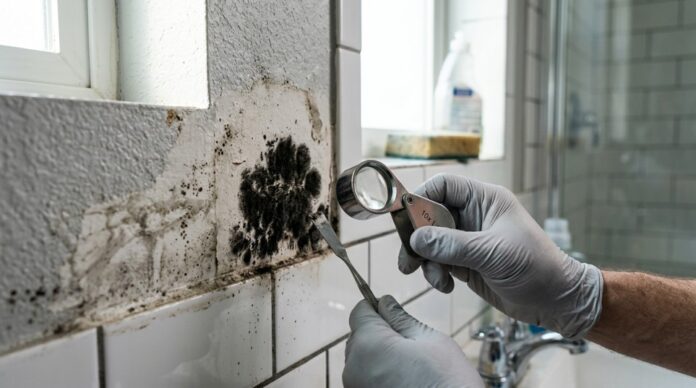
A mold concern often starts with a musty odor, a ceiling stain, peeling paint, or visible growth near a leak. The first professional visit is not simply a visual walkthrough. It is a structured assessment designed to locate moisture, identify affected materials, and determine whether mold may have spread beyond the area you can see.
An inspector documents the property conditions that allowed growth to develop. They also examine how air movement, wall cavities, HVAC systems, and previous water events may affect the cleanup approach. The goal is to create a removal plan that addresses the source of the problem rather than covering visible growth with paint or cleaning products.
The Initial Property Walkthrough
The assessment begins with a discussion about the building history. The inspector may ask when the odor appeared, whether plumbing leaked, if flooding occurred, and what repairs have already been attempted. These details help narrow the search before invasive inspection begins.
Next, the inspector reviews the visible area and nearby rooms. Mold can spread from a wet bathroom wall into an adjoining closet, or from an attic leak into insulation and ceiling materials below. They look for discoloration, warped finishes, loose flooring, condensation, and areas with poor airflow.
After the first 100 words of the visit, Mold Removal McLean planning becomes more specific. The contractor needs to know the likely extent of contamination before choosing barriers, equipment, and removal methods.
Moisture Detection And Material Review
Moisture is the driver behind indoor mold growth. A reliable assessment identifies active or past water intrusion before cleanup begins. Without correcting the moisture source, new growth can return after remediation.
Professionals commonly use moisture meters to compare wet and dry areas in drywall, wood framing, flooring, and trim. Infrared tools may help reveal temperature differences that point to hidden dampness, although meter readings are needed to confirm moisture.
Material condition also affects the work scope. Nonporous items such as metal, glass, and some plastic surfaces can often be cleaned if they remain structurally sound. Porous materials, including wet insulation, carpet padding, particleboard, and heavily affected drywall, may require removal because growth can penetrate below the surface.
The inspection record should identify affected locations, approximate dimensions, probable moisture sources, and materials that need cleaning or disposal. Clear documentation prevents disagreement about the scope later.
Containment Plan Factors
Containment keeps dust and mold particles from moving into clean parts of the home during removal. The plan reflects the size, location, and condition of the affected area.
- Small, isolated surface growth may need limited barriers around the immediate work area.
- Larger areas often require sealed plastic barriers and a controlled entry point.
- Work near bedrooms, kitchens, or occupied living areas needs stronger separation from clean spaces.
- HVAC vents within the work zone may be covered to reduce particle movement through the system.
- Hidden growth inside walls can require a larger contained area once finishes are opened.
- Negative air equipment may be selected when removal could release particles into adjacent rooms.
A containment plan should match the actual conditions found during the assessment rather than relying on a standard setup for every property.
How The Work Area Is Prepared
Before removal starts, workers protect unaffected contents near the project area. Furniture may be moved out, covered, or sealed within clean storage zones depending on its location and condition. Personal items located directly in the affected area are reviewed individually because porous belongings may need specialized cleaning or disposal.
The team then installs containment barriers using heavy plastic sheeting, tape, poles, or temporary framing. A flap door or zippered entry allows workers to enter without repeatedly opening the barrier. Seams are sealed to reduce air leakage.
For extensive projects, negative air machines pull air from the contained area through high efficiency filters. This creates directional airflow toward the machine rather than allowing air to drift into hallways or adjacent rooms. The exhaust location matters. It must not create a new problem near windows, doors, or neighboring properties.
Avoiding Incomplete Cleanup
A common error is treating mold as a surface cleaning issue while ignoring the water source. If a roof leak, plumbing failure, foundation seepage, or condensation problem remains active, remediation cannot provide a lasting result.
Another problem occurs when demolition starts without containment. Removing wet drywall or insulation can spread dust into nearby rooms, especially in open floor plans. A properly planned work zone protects areas that were never affected.
Homeowners should also ask how the contractor will verify that materials are dry before repairs begin. New drywall, flooring, or cabinets should not cover damp framing or subflooring. Drying confirmation is a practical checkpoint that protects the repair investment.
Conclusion
A thorough assessment gives the removal team the facts needed to control the work safely and efficiently. It identifies moisture, affected materials, hidden spread, and the level of isolation required before demolition begins.
For Mold Damage McLean concerns, choose a provider that explains the findings, documents the proposed scope, and connects the containment plan to the actual conditions inside your property. Schedule a professional assessment promptly if you notice recurring odors, water damage, or visible growth.
FAQs
Q: How long does a mold assessment usually take?
A: A focused inspection may take one to two hours. Larger homes, multiple affected rooms, hidden moisture concerns, or detailed documentation can extend the visit.
Q: Will inspectors need to open walls during the assessment?
A: Not always. Moisture readings, visual evidence, and infrared screening may provide enough information. Limited openings may be recommended if readings suggest concealed damage.
Q: Does every mold project require negative air equipment?
A: No. Negative air is selected based on the work area, expected dust generation, nearby occupied spaces, and the risk of particles moving beyond containment.
