

Insulation removal is a crucial task for homeowners who need to replace outdated, damaged, or hazardous materials in their homes. Safe insulation removal is essential not only to preserve the structural integrity of the home but also to protect the health and safety of the inhabitants. This process involves various risks, including exposure to harmful substances like asbestos, mold, and dust, which can cause serious health issues if not handled correctly.
In this article, we will explore the importance of safe insulation removal services, factors homeowners should consider before starting, and best practices for ensuring a safe and effective insulation removal process.
The Importance of Safe Insulation Removal
Insulation plays a significant role in improving energy efficiency, temperature regulation, and comfort within the home. However, when insulation becomes damaged, degraded, or contaminated, it may need to be removed. Improper insulation removal can lead to a range of problems, including the spread of hazardous materials and the exposure of family members to dangerous substances.
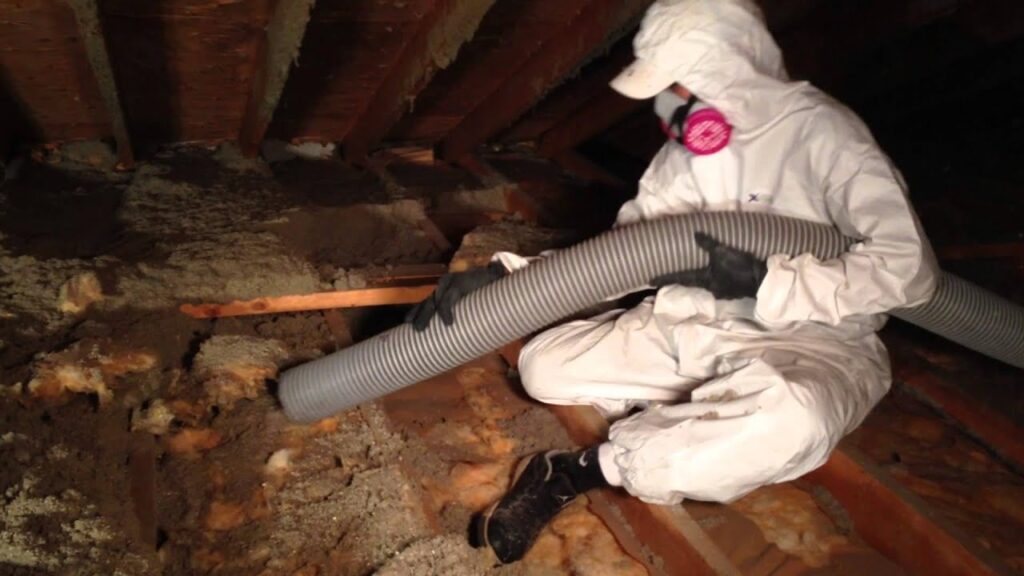
Health Risks from Poor Insulation Removal
Improper insulation removal can lead to serious health issues. These can include respiratory problems, skin irritation, and long-term diseases such as cancer. Below are some common risks associated with unsafe insulation removal:
- Exposure to Asbestos: Some older insulation materials, especially in homes built before the 1980s, contain asbestos, a dangerous substance that can cause lung cancer and other respiratory diseases when inhaled.
- Mold Exposure: Moisture in insulation can lead to mold growth, which, when disturbed, can release spores into the air, causing allergic reactions and respiratory issues.
- Dust and Debris: Many insulation materials, like fiberglass, can produce harmful dust particles when disturbed. Prolonged exposure can cause skin rashes, lung irritation, and even permanent lung damage.
Structural Integrity Concerns
Improper insulation removal also affects the structural integrity of the home. If insulation is not removed correctly, it can damage walls, wiring, or HVAC systems, which could lead to costly repairs. Homeowners should be aware of the importance of ensuring that the removal process is done carefully to prevent unintended damage to the property.
Types of Insulation Materials That Need Safe Removal
There are several types of insulation materials found in homes, each requiring specific handling and removal procedures. Here’s a breakdown of the most common types and why their safe removal is essential:
| Insulation Type | Health Risk | Removal Considerations |
| Fiberglass Insulation | Skin irritation, lung damage from dust | Wear protective gear (masks, gloves, etc.), proper disposal of debris |
| Asbestos Insulation | Lung cancer, asbestosis, mesothelioma | Needs professional removal, strict legal requirements for disposal |
| Cellulose Insulation | Inhalation of dust, mold growth | Moisture control and safe handling to avoid contamination |
| Spray Foam Insulation | Respiratory issues from off-gassing, mold | Ensure the foam is fully cured before removal, consider re-insulating |
| Cotton or Denim Insulation | Limited, but potential allergens | Proper containment to prevent dust and fiber spread |
Things to Consider Before Making a Decision
Before opting for insulation removal, homeowners should evaluate several key factors to ensure the process is done safely and effectively:
1. Age and Type of Insulation
Older homes with insulation dating back several decades may contain materials like asbestos, which require professional handling. If the insulation has been in place for many years, it’s important to have it inspected before proceeding with removal.
2. Potential for Contamination
If mold, mildew, or water damage is present, insulation removal should be performed in conjunction with mold remediation. Failure to address the source of moisture can lead to recurrent problems, even after removal.
3. Permits and Regulations
In many cases, especially when removing hazardous materials like asbestos, local regulations may require permits or professional involvement. Homeowners should check local laws and consult professionals to ensure they comply with regulations.
4. Costs and Budget
Insulation removal can be expensive, especially if it involves hazardous materials. Homeowners should budget for both removal and the cost of replacing the insulation with safer and more energy-efficient materials.
5. Professional vs. DIY
While some homeowners may consider DIY insulation removal, this is not recommended for materials like asbestos or mold-contaminated insulation. Professionals have the experience, tools, and safety measures necessary to handle the job without putting themselves or others at risk.
Common Questions About Safe Insulation Removal
1. How do I know if my insulation contains asbestos?
If your home was built before the 1980s, there’s a chance the insulation may contain asbestos. It is best to hire a certified inspector to test your insulation for asbestos, as disturbing it without proper safety measures can be dangerous.
2. Can I remove the insulation myself?
If you’re dealing with fiberglass or cellulose insulation, you may be able to remove it yourself with the proper safety gear. However, for materials like asbestos, mold-contaminated insulation, or spray foam, it is critical to hire a professional to ensure the removal is done safely.
3. How long does insulation removal take?
The time required depends on the size of the home, the type of insulation being removed, and the complexity of the removal process. A typical removal may take anywhere from a few hours to several days.
4. What happens to the insulation after it is removed?
Once removed, insulation materials must be properly disposed of according to local regulations. Some materials, like asbestos, require specialized disposal methods to prevent environmental contamination.
Bonus Tips for Safe Insulation Removal
Tip 1: Protect Yourself with the Right Gear
Always use proper protective equipment, including gloves, masks, and goggles, when handling insulation. This will minimize the risk of injury or exposure to hazardous substances.
Tip 2: Ventilate the Area
Ensure the area is well-ventilated during the removal process. This will help reduce exposure to dust, mold spores, and off-gassing materials.
Tip 3: Address Moisture Issues First
If moisture is the cause of insulation degradation, address the source of the problem (e.g., roof leaks or plumbing issues) before beginning the insulation removal process.
Conclusion
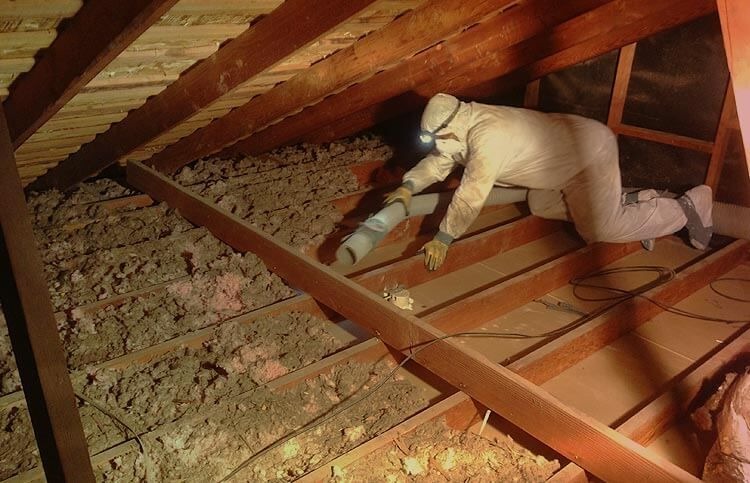
Safe insulation removal for homes which are looking to replace old or contaminated insulation. The process requires careful planning, knowledge of materials, and proper safety measures to avoid health risks and damage to the home. By considering the factors discussed and opting for professional services when necessary, homeowners can ensure the removal process is done correctly and safely.
Topic FAQ
1. What should I do if I suspect my insulation contains asbestos?
If you suspect your insulation contains asbestos, it is crucial to hire a licensed professional to assess and remove the material. Do not attempt to disturb the insulation yourself.
2. Can mold-contaminated insulation be salvaged?
In most cases, mold-contaminated insulation should be removed and replaced to prevent health hazards. Professional mold remediation is recommended to address the root cause of the mold issue.
3. How much does insulation removal cost?
The cost varies depending on the type of insulation, the size of the area, and whether hazardous materials are involved. On average, homeowners can expect to pay between $1,500 and $3,000 for complete insulation removal.
4. How do I choose the right insulation for my home after removal?
When replacing insulation, consider factors such as energy efficiency, cost, and material safety. Popular options include fiberglass, cellulose, and spray foam insulation, each with its pros and cons depending on your needs.
5. Is it necessary to re-insulate after removal?
In most cases, re-insulating the area after removal is essential to maintain energy efficiency and home comfort. Make sure to select an insulation material that fits your home’s needs and environmental conditions.
