

Upgrading your insulation provides significantly more value than simply lowering your utility bills. Beyond thermal control, modern insulation enhances air quality, reduces noise, controls moisture, boosts property value, and protects the structural integrity of your home. These less obvious benefits have a major long-term impact on comfort, health, and cost savings.
This guide explores 10 hidden advantages of insulation upgrades, with detailed data, comparisons, and technical specifications to help you make fully informed decisions.
Core Benefits You Gain by Upgrading Insulation
Modern insulation delivers broad-spectrum improvements, including:
| Hidden Benefit | How It Helps |
| Energy Savings | Reduces heating and cooling demands by 20-30% |
| Enhanced Indoor Air Quality | Blocks outdoor pollutants, allergens, and toxins |
| Moisture Control | Prevents mold growth, mildew, and structural rot |
| Noise Reduction | Insulates against outside and room-to-room noise |
| Fire Resistance | Slows fire spread, adds critical response time |
| Pest Prevention | Seals gaps that pests use to enter homes |
| Structural Protection | Defends against moisture damage and settling |
| Increased Home Value | Boosts appraisal and resale appeal |
| Improved HVAC Efficiency | Reduces equipment strain, lowers maintenance cost |
| Lower Environmental Impact | Decreases carbon footprint by improving efficiency |
Deeper Dive into Each Hidden Benefit
Energy Savings
Upgraded insulation creates a tighter thermal envelope, minimizing energy loss through walls, roofs, and floors. According to the U.S. Department of Energy, homeowners can cut energy expenses by 15-30% through insulation upgrades alone.
Bonus Tip:
Focus first on the attic and exterior walls, where up to 70% of a home’s heat loss typically occurs.
Enhanced Indoor Air Quality
Old or inadequate insulation allows outside air pollutants to infiltrate living spaces. Newer insulation products form airtight barriers that protect indoor air from dust, pollen, vehicle fumes, and industrial pollutants.
Fact:
EPA studies show that indoor air can be 2–5 times more polluted than outdoor air without proper sealing and insulation.
Moisture Control
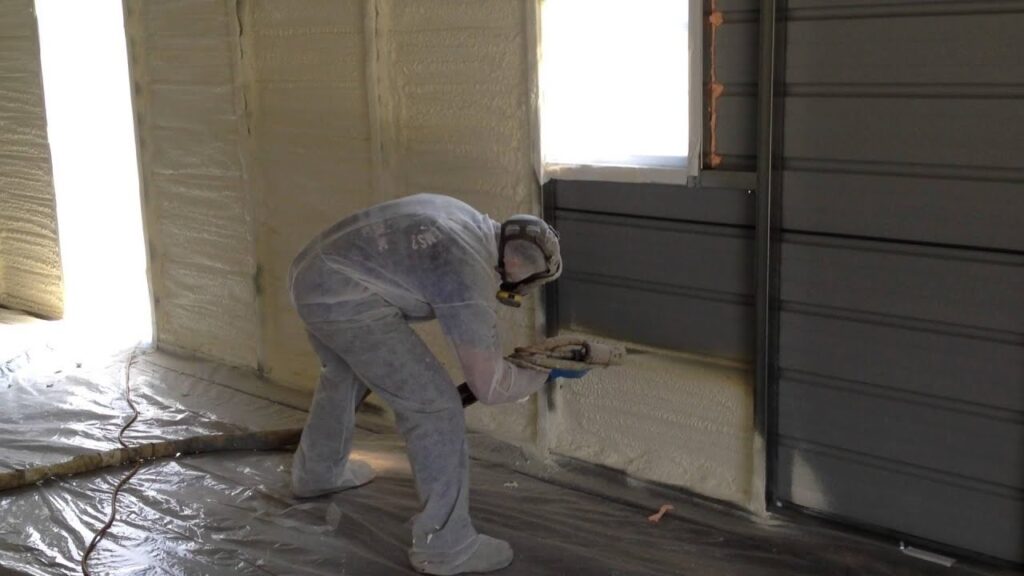
Insulation materials like closed-cell spray foam insulation and mineral wool offer high moisture resistance. By reducing condensation inside walls, they dramatically lower the risk of mold and mildew, critical for maintaining structural integrity and indoor air health.
| Insulation Type | Moisture Resistance Level |
| Fiberglass Batt | Low |
| Open-Cell Spray Foam | Moderate |
| Closed-Cell Spray Foam | High |
| Mineral Wool | High |
Noise Reduction
Dense insulation materials absorb sound vibrations, creating quieter indoor environments. Cellulose and mineral wool excel at reducing both external noise (traffic, neighbors) and internal noise (footsteps, voices).
Bonus Tip:
Install dense-packed cellulose in interior walls for noticeable soundproofing between rooms.
Fire Resistance
Mineral wool and rigid foam boards offer fire-resistant properties that delay fire spread. This additional protection buys valuable evacuation time and can minimize structural damage.
| Insulation Material | Fire Resistance Rating |
| Mineral Wool | Excellent |
| Spray Foam | Moderate |
| Fiberglass Batt | Good |
| Cellulose (treated) | Good |
Pest Prevention
Insulation gaps are common entry points for insects and rodents. High-quality spray foam or sealed rigid boards close these openings effectively, reducing pest infestations without chemicals.
Structural Protection
Moisture, condensation, and pests are primary causes of premature building material deterioration. Insulation that controls humidity and seals off entry points extends the lifespan of critical structural elements like framing and sheathing.
Increased Home Value
Energy-efficient homes sell faster and for more money. The National Association of Realtors found that insulation improvements can raise a home’s market value by up to 5% and reduce time on the market.
Improved HVAC Efficiency
Better insulation decreases the load on heating and cooling equipment. With less effort required to maintain indoor temperatures, HVAC systems last longer, experience fewer breakdowns, and require less frequent maintenance.
Lower Environmental Impact
Reducing heating and cooling energy demands also slashes carbon emissions. Homes with upgraded insulation have a smaller environmental footprint and contribute less to climate change.
| Home Efficiency Upgrade | Potential Carbon Footprint Reduction |
| Attic Insulation Upgrade | Up to 10% |
| Full Envelope Insulation | Up to 25% |
| Sealing + Insulation Combo | Up to 30% |
Comparison of Insulation Options
Choosing the right material maximizes specific hidden benefits.
| Material Type | Strengths | Weaknesses | Ideal Use |
| Fiberglass Batt | Affordable, easy to install | Poor air seal if misapplied | Attics, walls, basements |
| Spray Foam | Excellent air/moisture barrier | High cost, professional-only | All critical envelope areas |
| Cellulose | Eco-friendly, strong soundproofing | Settling over time | Interior walls, ceilings |
| Mineral Wool | Best fire/sound resistance | Heavy, precision needed | Fire-rated walls, floors |
| Rigid Foam Board | High R-value in thin space | Harder installation around gaps | Foundations, exterior walls |

Integrated Market Data
- Fact: Homes with upgraded energy-efficient insulation sold for 3.5% more than comparable homes in 2023 (Zillow Economic Research).
- Fact: Upgraded homes see 25-50% fewer service calls for HVAC systems within the first five years after insulation improvements (Building Performance Institute, 2023).
Things to Consider Before Making a Decision
Upgrading insulation offers high rewards, but careful planning ensures optimal results.
- Building Age: Older homes may require lead/asbestos checks before insulation removal.
- Material Compatibility: Some materials perform better in particular climates or building types.
- Budget Analysis: Weigh upfront installation costs against projected energy savings over 5-10 years.
- Climate Conditions: Warmer climates benefit more from radiant barrier insulation types, while colder regions require higher R-values.
- Contractor Selection: Proper installation is essential. Even top-grade materials fail if improperly installed.
Bonus Tip:
Verify your chosen insulation type meets local building codes and energy efficiency standards.
Common Questions About Upgrading Insulation
How do I know if my current insulation is inadequate?
Signs include fluctuating indoor temperatures, high energy bills, cold drafts, moisture on walls, or visible insulation deterioration.
Is spray foam insulation safe?
Yes, after it cures. Professional installation ensures that off-gassing and health risks are minimized.
How long does insulation last?
Most modern insulation materials last 30 years or more when properly installed and maintained.
Does better insulation prevent ice dams?
Yes. Proper attic insulation and ventilation help maintain a cold roof surface, preventing ice dam formation in winter.
Will insulation upgrades qualify for tax credits?
In many regions, yes. Insulation improvements often qualify for energy-efficiency tax incentives under programs like the Inflation Reduction Act.
Make the Right Decision
Upgrading provides wide-ranging, long-term advantages of insulation that go far beyond immediate energy savings. Enhanced comfort, better indoor air, stronger structural resilience, fire safety, noise reduction, and increased home value all result from a well-planned insulation strategy.
Evaluate your home’s specific needs carefully, consider climate factors, and invest in the right materials installed by qualified professionals. The hidden benefits will continue to pay dividends in comfort, health, savings, and sustainability for decades.
