
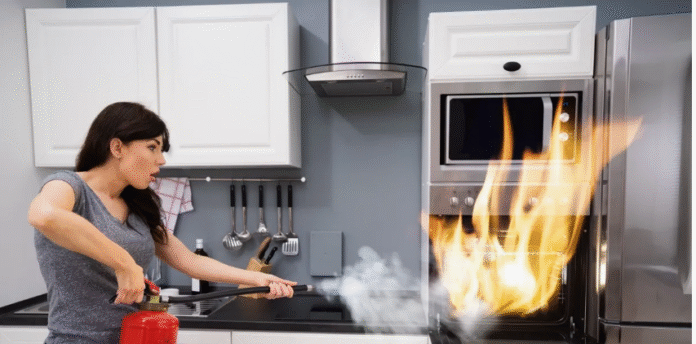
Home is where we feel the safest. It’s our sanctuary, the place where we relax, spend time with loved ones, and keep our most cherished belongings. Yet, every year, thousands of homes are destroyed or damaged by fire—often due to preventable causes. Home fires are not only dangerous but also devastating. They can lead to loss of life, serious injuries, and irreversible damage to property. Fortunately, many of these fires can be prevented through awareness, preparation, and consistent safety practices.
Understanding the Common Causes of Home Fires
Before we can effectively prevent home fires, it’s important to understand how they usually start. According to fire safety agencies, the most common causes of residential fires include cooking accidents, heating equipment, electrical malfunctions, smoking, and candles. Each of these has its own risks and precautions.
Cooking is the leading cause of home fires. Unattended cooking, particularly when frying with oil, can lead to flames that quickly get out of control. Heating equipment, like space heaters or fireplaces, is another major source of fire when placed too close to flammable materials. Electrical fires may occur due to faulty wiring, overloaded circuits, or the misuse of extension cords. Smoking in bed or while drowsy is a particularly deadly fire hazard. Candles, while aesthetically pleasing, can tip over or ignite nearby objects if left unattended.
Kitchen Safety: Preventing Fires While Cooking
Since the kitchen is the most common site for prevent home fires, this area demands the highest vigilance. Never leave cooking food unattended, especially when using oil or high heat. Keep flammable objects such as dish towels, paper towels, and curtains away from the stovetop. Always turn pot handles inward so they can’t be knocked over.
Consider installing a smoke detector near the kitchen, but not so close that normal cooking triggers false alarms. Keep a fire extinguisher in or near the kitchen and make sure everyone in the home knows how to use it. In case of a grease fire, never use water. Instead, cover the flames with a metal lid or use baking soda to smother the fire.
Heating Equipment: Use Safely and Responsibly
During colder months, many households rely on space heaters and fireplaces to stay warm. However, these heat sources can pose significant fire risks. Space heaters should be kept at least three feet away from anything that can burn, including furniture, curtains, and bedding. Always turn off heaters when leaving the room or going to bed.
If you use a fireplace, ensure the chimney is cleaned and inspected annually by a professional. Use a screen to keep sparks from flying into the room, and never burn anything in a fireplace that isn’t meant for it—such as trash or cardboard. After using a fireplace, let the ashes cool completely before disposing of them in a metal container.
Electrical Safety: Preventing Fires from Faulty Wiring and Appliances
Electrical fires often occur without warning, making them especially dangerous. These fires may be caused by damaged cords, overloaded outlets, outdated wiring, or improper use of extension cords. One of the best ways to reduce this risk is to have a qualified electrician inspect your home’s wiring, especially if your house is over 20 years old.
Never run cords under carpets or rugs, as this can cause overheating. Replace frayed or damaged cords immediately. Avoid overloading outlets with too many devices. When using power strips, make sure they have built-in surge protection. Also, unplug appliances when they are not in use, particularly high-wattage items like toasters, irons, or coffee makers.
Candle and Smoking Safety: Small Flames, Big Danger
Candles are a common source of home fires. While they create a warm and inviting atmosphere, they can be deadly if left unattended or placed near flammable materials. Always place candles on stable, heat-resistant surfaces and keep them away from curtains, bedding, and furniture. Blow them out before leaving the room or going to sleep.
Smoking is another high-risk activity when it comes to home fires. If you smoke, do so outside. Never smoke in bed or when you’re tired, as falling asleep with a lit cigarette is one of the leading causes of fire-related deaths. Always use deep, sturdy ashtrays and make sure cigarettes are completely extinguished before discarding them.
Fire Alarms and Detectors: Your First Line of Defense
Smoke alarms are one of the most essential tools for preventing fire-related injuries and deaths. Install smoke detectors on every level of your home, inside bedrooms, and outside sleeping areas. Test alarms monthly and replace the batteries at least once a year, or as recommended by the manufacturer.
In addition to smoke alarms, consider installing carbon monoxide detectors and heat detectors in areas like the garage or attic. Some modern detectors can be interconnected, meaning if one goes off, all alarms in the house will sound. This early warning system can provide precious extra seconds to escape.
Creating and Practicing a Fire Escape Plan
Even with the best prevention methods in place, accidents can still happen. That’s why every household should have a fire escape plan. This plan should include at least two ways out of every room, a designated meeting spot outside the home, and a way to call emergency services.
Practice your escape plan with all members of your household, including children, at least twice a year. Practice crawling low to the ground to avoid smoke inhalation and discuss how to safely exit the house if doors are hot or smoke is blocking a path. Reinforce the idea that once outside, no one should go back inside for any reason.
Home Fire Extinguishers: Be Ready to React
Every home should have at least one fire extinguisher, preferably in the kitchen and garage. Learn the PASS technique: Pull the pin, Aim at the base of the fire, Squeeze the handle, and Sweep from side to side. Fire extinguishers can be effective for small fires, but if a fire is spreading or too large, the priority should be evacuation and calling the fire department.
Check the pressure gauge regularly and ensure that the extinguisher is not expired. Fire extinguishers should be inspected and maintained according to the manufacturer’s instructions.
Special Considerations for Families with Children, Seniors, or Pets
Children and the elderly are especially vulnerable in fire emergencies. Teach kids about fire safety in a way that is age-appropriate. Keep matches and lighters out of their reach, and discourage playing with electrical outlets or appliances. Practice escape routes with them regularly and explain the sound and purpose of smoke alarms.
For seniors or those with mobility challenges, ensure there are accessible exits and, if necessary, medical alert systems or smoke alarms with flashing lights. Don’t forget pets—have a plan to help them evacuate, and keep collars and leashes near exits for quick access.
Conclusion: Fire Prevention is Everyone’s Responsibility
Preventing home fires is not a one-time effort, but a continuous responsibility shared by everyone in the household. By being aware of the risks, implementing fire-safe practices, and preparing for emergencies, we can greatly reduce the likelihood of a fire occurring—and minimize its impact if one does.
Taking just a few extra minutes to double-check appliances, test smoke alarms, and educate your family could save lives. Fire prevention may seem simple, but its importance cannot be overstated. A proactive approach to safety today can ensure your home remains a haven tomorrow.
