

Spray foam insulation helps maintain a consistent indoor temperature in all seasons. It expands to seal gaps and cracks, effectively blocking heat transfer in both hot and cold climates. By preventing air infiltration, it keeps homes warmer in the winter and cooler in the summer—improving energy efficiency and indoor comfort year-round.
In this article, you’ll learn how spray foam insulation for homes is beneficial, the different types available, their performance characteristics, and essential pre-installation considerations. Tables and FAQs make the details easy to understand and apply.
How Spray Foam Insulation Works
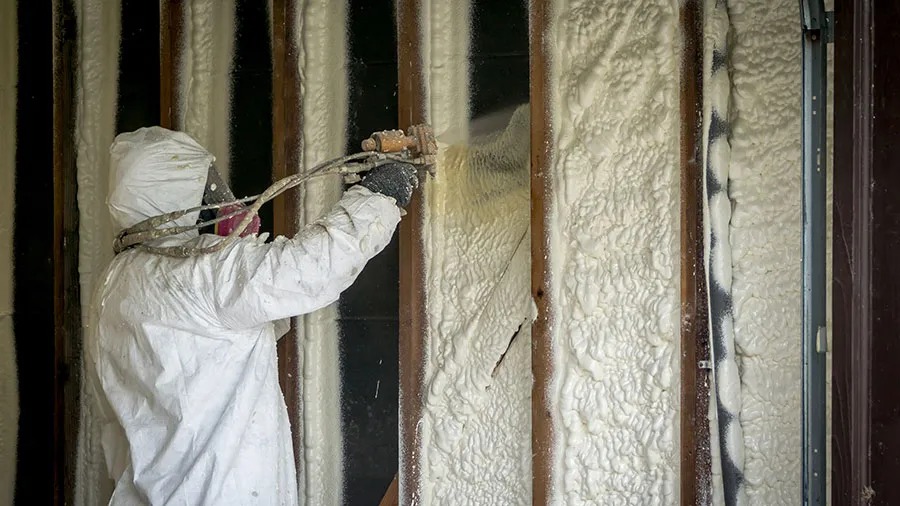
Spray foam is a two-component liquid that expands upon application. Once sprayed, it fills cavities and hardens into a dense insulating layer. Unlike fiberglass or cellulose, spray foam creates an airtight and moisture-resistant barrier, minimizing thermal bridging and air leakage.
Why It Works
- Air sealing: Blocks drafts and energy loss
- Moisture resistance: Reduces risk of mold and water damage
- Thermal insulation: High R-values ensure long-term temperature control
- Soundproofing: Absorbs airborne sound for quieter interiors

Types of Spray Foam Insulation
There are two main types of spray foam used in residential and commercial settings: open-cell and closed-cell. Each offers unique advantages depending on your specific application.
Open-Cell vs Closed-Cell Comparison
| Feature | Open-Cell Foam | Closed-Cell Foam |
| R-Value per Inch | ~3.5 | ~6.5 |
| Air Seal | Yes | Yes |
| Vapor Barrier | No | Yes |
| Expansion Rate | Expands ~100x | Expands ~30x |
| Flexibility | Soft, sponge-like | Rigid, dense |
| Sound Absorption | High | Medium |
| Cost per Board Foot | Lower | Higher |
| Best Used For | Interior walls, sound control | Exterior walls, roofs, basements |
Bonus Tip: Choose open-cell foam for interior partition walls where sound reduction is needed. Use closed-cell foam where strength, moisture resistance, and insulation are priorities.
Technical Specifications
Understanding the specs helps you match insulation to project goals.
Technical Data Overview
| Specification | Open-Cell Foam | Closed-Cell Foam |
| R-Value (Thermal Resistance) | ~3.5 per inch | ~6.5 per inch |
| Air Permeance | <0.02 L/s·m² | <0.02 L/s·m² |
| Water Vapor Permeance | 10–20 perms (1″) | <1 perm (1″) |
| Density | 0.5 lb/ft³ | 2.0 lb/ft³ |
| Compressive Strength | <1 psi | 25–30 psi |
| Fire Rating | Class I (ASTM E84) | Class I (ASTM E84) |
| Sound Absorption (STC) | ~37–42 | ~30–35 |
Cost vs Efficiency
Spray foam insulation carries a higher upfront cost than traditional options like fiberglass. However, it offers substantial energy savings and durability, often making it a cost-effective long-term solution.
Cost Estimates by Application (Installed)
| Area | Open-Cell Foam (USD) | Closed-Cell Foam (USD) |
| Attic (1,000 sq. ft) | $1,500 – $2,400 | $2,800 – $4,000 |
| Wall Cavity (1,000 sq. ft) | $1,800 – $2,700 | $3,000 – $4,500 |
| Crawl Space (1,000 sq. ft) | $1,200 – $2,000 | $2,500 – $3,500 |
Market Insight on Energy Impact
The U.S. Department of Energy estimates that proper insulation and air sealing can save homeowners up to 15% on heating and cooling costs, or approximately 11% of total energy bills. In Canadian homes, NRCan reports that energy retrofits including insulation can improve performance by 20–30%, often qualifying for rebate programs.
Commercial properties benefit as well—insulation upgrades can decrease cooling loads significantly, especially in high-glazing or open-roof designs.
Performance Highlights
- Energy savings: Up to 50% annual reduction in heating and cooling bills (DOE)
- Sealing effectiveness: Reduces air leakage by 25–35%
- Durability: 30+ years with proper application and no structural disturbance
Bonus Tip: Pair spray foam insulation with energy-efficient windows and HVAC systems to maximize performance and ROI.
Things to Consider Before Making a Decision
Before installing spray foam insulation, it’s important to evaluate key factors that influence performance and suitability.
Climate Conditions
- Humid regions: Closed-cell foam is preferred for moisture resistance.
- Dry climates: Open-cell is suitable and more breathable.
Building Age and Structure
- Older homes: May require mold remediation or air sealing before application.
- New construction: Easier integration with HVAC and ventilation systems.
Ventilation Requirements
Air-tight buildings must maintain adequate indoor air quality. Consider mechanical ventilation systems like HRVs or ERVs when installing high-performance insulation.
Budget Constraints
Open-cell foam is more affordable per inch but may require greater thickness to match R-values. Closed-cell costs more but delivers higher performance in less space.
Installation Process
Professionals of Spray Foam Insulation are strongly recommended due to handling requirements and health precautions during installation.
Step-by-Step Overview
- Site prep: Cover fixtures, remove dust and debris.
- Mixing: Combine chemicals on-site using a spray rig.
- Application: Apply foam in layers, allowing expansion.
- Curing: Foam sets in minutes, fully cures in 24 hours.
- Trimming and inspection: Remove excess material, check for uniform coverage.
Maintenance and Longevity
Spray foam insulation typically lasts for the life of the structure. It requires minimal maintenance and resists degradation over time.
- Annual inspections recommended around rooflines and windows
- Monitor HVAC efficiency for indirect signs of insulation performance
- Avoid disturbing foam during renovations to preserve air sealing
Common Questions
Can spray foam be used in basements?
Yes. Closed-cell foam is ideal for below-grade applications due to its moisture resistance and rigidity.
Will spray foam affect my roof?
Properly installed foam under roof decking does not overheat shingles. Ventilation design must be appropriate.
Is it eco-friendly?
Modern spray foams often use low-GWP blowing agents and reduce overall energy consumption, making them environmentally responsible in the long term.
Can I remove it if needed?
Removal is difficult and labor-intensive. Only attempt with professional guidance, especially in structural cavities.
How long does installation take?
Most residential projects take 1–2 days depending on the size and complexity of the job.
Spray Foam Insulation That Keeps Your Home Cozy and Efficient Year-Round FAQ
How does spray foam improve energy efficiency?
It seals gaps and prevents heat transfer more effectively than traditional materials, reducing HVAC loads and utility bills.
What’s the main difference between open-cell and closed-cell foam?
Open-cell Spray Foam Insulation is soft, lower-density, and better for sound control. Closed-cell is rigid, moisture-resistant, and provides higher insulation per inch.
Can I use spray foam in attics?
Yes. Both foam types work well in attics. Closed-cell is preferred if you need added structure or moisture resistance.
Does it block pests?
While not a pest control product, closed-cell foam can deter insects and rodents by eliminating entry gaps.
Will spray foam insulation pay for itself?
Yes. Energy savings usually repay the installation cost within 3–5 years, depending on usage and regional energy prices.
Make the Right Decision
Spray foam insulation is one of the most effective methods for improving indoor comfort and reducing energy waste. Whether you’re building new or retrofitting, the right type of foam—matched to your goals, budget, and climate—can significantly enhance your home’s performance.
Evaluate each option based on technical data, regional climate, and your long-term energy plans. When properly installed, spray foam offers decades of efficiency, comfort, and peace of mind.
