
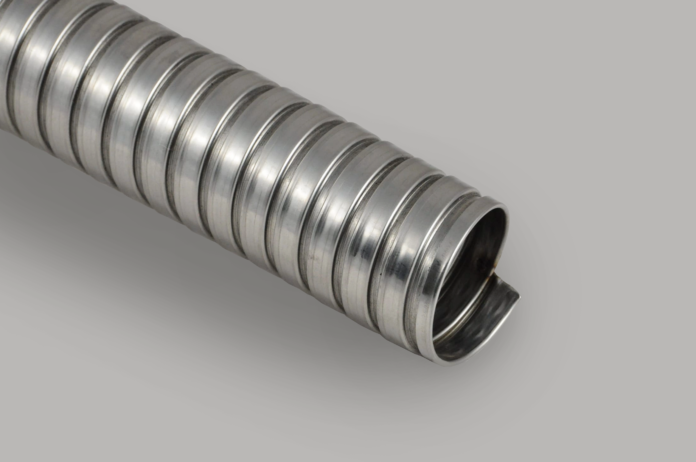
Industrial systems often operate under demanding conditions where rigid piping simply cannot handle constant movement, vibration, or thermal expansion. In these situations, choosing the right hose can improve reliability, reduce maintenance, and prevent costly downtime. Understanding how a flexible metal hose works can help engineers, maintenance teams, and facility managers make informed decisions for various applications.
Whether transporting steam, chemicals, water, compressed gas, or high-temperature fluids, flexible metal hoses provide durability that many other hose materials cannot match. However, selecting the wrong type or installing it incorrectly can significantly shorten its service life. This guide explains the fundamentals, common applications, installation practices, and maintenance tips to help you get the best performance from flexible metal hoses.
What Is a Flexible Metal Hose?
A flexible metal hose is a corrugated metal tube designed to transport liquids or gases while accommodating movement, vibration, pressure changes, and thermal expansion. Most are manufactured from stainless steel because of its excellent corrosion resistance, strength, and temperature tolerance.
Unlike rigid pipes, these hoses can bend without compromising structural integrity. Many assemblies also include an external braided layer that improves pressure handling while protecting the corrugated core from excessive stretching.
Common industries using flexible metal hoses include:
- Chemical processing
- Oil and gas
- Food and beverage manufacturing
- Pharmaceutical production
- HVAC systems
- Marine applications
- Power generation
- Manufacturing facilities
Their versatility makes them suitable wherever equipment movement or system flexibility is required.
How Flexible Metal Hoses Work
The corrugated design allows the hose to flex repeatedly while maintaining a sealed flow path. The metal braid surrounding the hose limits excessive expansion caused by internal pressure and provides additional mechanical strength.
Several characteristics determine hose performance:
- Material composition
- Hose diameter
- Corrugation design
- Number of braid layers
- Operating pressure
- Temperature range
- Chemical compatibility
For example, a steam system operating at high temperatures requires different specifications than a food processing line transporting cleaning solutions.
Selecting the correct combination of these factors ensures long service life and safe operation.
Step-by-Step Guide to Choosing the Right Flexible Metal Hose
Choosing the proper hose involves more than matching the pipe size. A systematic approach reduces failures and improves overall system performance.
Step 1: Identify the Media Being Transported
Different fluids interact differently with metal alloys. While stainless steel resists many corrosive substances, certain chemicals require specialized materials.
Always verify compatibility before installation.
Step 2: Determine Operating Conditions
Record the following information:
- Maximum operating pressure
- Normal operating pressure
- Minimum and maximum temperature
- Flow rate
- Pressure fluctuations
These values determine the required hose specifications.
Step 3: Consider Movement Requirements
Not every application requires the same flexibility.
Movement may include:
- Lateral movement
- Angular movement
- Axial movement
- Continuous vibration
Understanding the type of movement helps prevent premature fatigue.
Step 4: Select Proper End Connections
End fittings must match the existing piping system while maintaining leak-free performance.
Common connection types include:
- Flanged connections
- Threaded fittings
- Weld ends
- Sanitary fittings
Choosing the correct connection simplifies installation and future maintenance.
Step 5: Install Correctly
Even the highest-quality hose can fail quickly if installed improperly.
Avoid twisting the hose during installation. Maintain the recommended bend radius and provide adequate support to minimize unnecessary stress.
Real-World Applications
Flexible metal hoses solve problems across numerous industries.
In manufacturing facilities, they connect vibrating pumps to stationary piping. Without a flexible connection, vibration transfers directly into the piping network, increasing wear and creating noise.
Power plants frequently use them in steam systems where thermal expansion occurs during startup and shutdown cycles. The hose absorbs movement while maintaining system integrity.
Food processing plants rely on stainless steel hoses because they withstand repeated cleaning procedures and high-temperature sanitation.
Marine vessels use them to compensate for engine movement and constant vibration, helping reduce mechanical stress throughout onboard piping systems.
These examples demonstrate why flexible metal hoses remain essential across demanding environments.
Common Installation Mistakes and Challenges
Many hose failures result from installation errors rather than manufacturing defects.
One common mistake is exceeding the minimum bend radius. Sharp bends place excessive stress on the corrugations, leading to fatigue cracks over time.
Another issue involves twisting the hose during installation. Corrugated hoses are designed to flex but not rotate. Twisting weakens the structure and shortens service life.
Insufficient support also causes problems. Unsupported hoses may sag, increasing stress at connection points and accelerating wear.
Some facilities overlook thermal expansion calculations. As systems heat and cool, pipes move significantly. Ignoring this movement places unnecessary strain on the hose assembly.
Finally, selecting a hose based solely on diameter rather than operating conditions often results in premature failure.
Proper planning eliminates many of these avoidable issues.
Practical Tips for Maximizing Service Life
Routine inspection and preventive maintenance significantly improve hose longevity.
Inspect hoses regularly for:
- Broken braid wires
- Corrosion
- Excessive bending
- Abrasion
- Leakage
- Loose fittings
If any damage appears, replace the assembly before failure occurs.
Keep hoses away from sharp edges that may damage the braid during movement.
When possible, install protective guards in high-traffic areas where accidental impact could occur.
Avoid using flexible hoses to compensate for poor piping alignment. Pipes should already be properly aligned before the hose is connected.
When replacing an existing hose, compare the operating environment with the original design. Equipment upgrades may have changed pressure or temperature requirements.
Document inspection schedules and replacement history. Maintenance records help identify recurring problems before they become expensive failures.
Finally, purchase hose assemblies manufactured according to recognized industry standards. Consistent quality and proper testing improve safety and long-term reliability.
Conclusion
Flexible metal hoses play an essential role in modern industrial systems by accommodating movement, absorbing vibration, and handling demanding temperatures and pressures. Their ability to maintain reliable performance under challenging operating conditions makes them a valuable solution across manufacturing, chemical processing, energy production, marine operations, and many other industries.
However, performance depends on more than selecting the correct size. Understanding operating conditions, choosing compatible materials, following proper installation practices, and performing regular inspections all contribute to longer service life and improved safety. By applying these best practices, facilities can reduce maintenance costs, minimize downtime, and ensure dependable operation for years to come.
