
A good night’s sleep depends on more than simply having a comfortable bed. Proper support, pressure relief, temperature control, and personal comfort preferences all influence how well a person sleeps.
This is why many people are moving away from standard mattress sizes and designs in favor of options tailored to their specific needs. A custom foam mattress is carefully designed around individual sleeping requirements, allowing manufacturers to adjust materials, dimensions, firmness, and internal structure for a more personalized sleeping experience.
Understanding the Design Process
The design of a mattress begins with understanding the sleeper and the environment in which it will be used. Manufacturers consider factors such as body weight, sleeping position, preferred firmness, bed dimensions, and specific comfort requirements. These details help determine which type of foam and construction method will provide the most suitable combination of comfort and support.
Unlike mass-produced mattresses that follow standardized specifications, customized foam products can be adapted to unusual bed frames, specialized spaces, and individual preferences. This flexibility is particularly useful for recreational vehicles, boats, guest rooms, children’s beds, adjustable platforms, and furniture that requires a specific mattress shape.
Choosing the Right Foam
Foam selection plays an important role in determining how a mattress feels and performs. Different foam types have different characteristics, including density, firmness, elasticity, and resilience. Manufacturers can combine several foam layers to create a balanced sleeping surface.
Memory foam is often selected for its ability to respond to body heat and pressure. It can contour around the body and help distribute weight across a wider surface. High-resilience foam, meanwhile, provides stronger responsiveness and can make it easier to change sleeping positions.
Polyurethane foam is another commonly used material because it is available in various densities and firmness levels. By selecting the appropriate specification, manufacturers can create a mattress that provides either a softer feel or more substantial structural support.
Creating Multiple Support Layers
One of the biggest advantages of a custom foam mattress is the ability to use multiple layers for different purposes. Rather than relying on one type of foam throughout the mattress, designers can assign specific functions to each layer.
A softer upper layer may provide initial cushioning and pressure relief, while a firmer layer underneath offers structural support. Additional transition layers can help distribute weight between the comfort and support sections. This layered construction allows the mattress to feel comfortable without sacrificing stability.
The thickness of each layer can also influence performance. A thicker comfort layer may produce a more cushioned sensation, while a stronger support core can prevent excessive sinking. Designers therefore consider the relationship between foam density, thickness, firmness, and the sleeper’s body profile.
Supporting Different Sleeping Positions
Sleeping position has a major influence on mattress requirements. Side sleepers generally need enough cushioning around the shoulders and hips to reduce concentrated pressure. A carefully designed foam structure can allow these areas to sink slightly while maintaining support throughout the rest of the body.
Back sleepers typically benefit from a balance between cushioning and firmness. The mattress should allow the shoulders and hips to settle naturally without letting the midsection sink too deeply. This can help maintain a more neutral sleeping posture.
Stomach sleepers often prefer firmer surfaces because excessive softness may allow the abdomen and hips to sink too far. Customized construction makes it possible to select a firmness level that better suits this sleeping style.
Improving Pressure Distribution
Pressure distribution is another important consideration when designing foam mattresses. When body weight is concentrated in a few areas, sleepers may experience discomfort or frequently change positions during the night.
Foam materials can help spread pressure across a larger area. A carefully selected comfort layer adapts to the body’s contours, while deeper layers provide the resistance needed to maintain stability. This combination can create a smoother transition between cushioning and support.
The goal is not simply to make a mattress soft. Instead, designers aim to achieve the right balance between softness and resistance. A mattress that is too soft may lack adequate support, while one that is excessively firm may create uncomfortable pressure points.
Considering Mattress Thickness
Thickness is an important part of the design process. The ideal thickness depends on the intended application, sleeper characteristics, and selected foam materials.
A standard bedroom mattress may require a different thickness from a mattress designed for a sofa bed, camper, boat, or custom furniture frame. Designers also need to consider the height of the finished sleeping surface in relation to the surrounding furniture.
For applications with limited space, a thinner construction may be appropriate. In other situations, additional foam layers can provide greater cushioning and support. The objective is to create a structure that works effectively within the available dimensions.
Custom Shapes and Dimensions
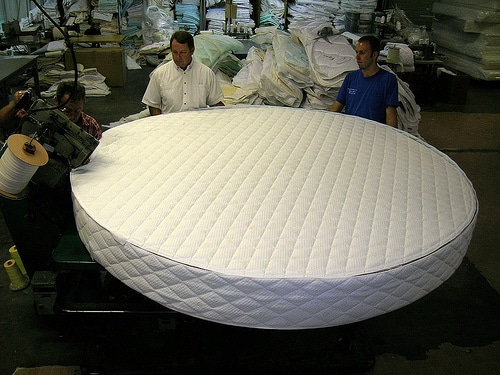
Not every sleeping area has a standard rectangular shape. Some beds include curved corners, angled sections, cut-outs, or unusual dimensions. Customized foam manufacturing makes it possible to produce mattresses that fit these spaces more accurately.
Precise measurements are essential. Designers may consider the length, width, thickness, corner radius, and other characteristics of the sleeping platform. Accurate sizing reduces unwanted gaps and helps ensure that the finished mattress sits securely within its intended frame.
This feature is especially valuable for boats, caravans, motorhomes, specialty furniture, and other environments where conventional mattress sizes may not fit properly.
Balancing Comfort and Durability
A well-designed mattress needs to remain comfortable over time. Foam density is one factor that can influence durability and resistance to premature compression. Higher-quality materials can help the mattress maintain its shape and performance with regular use.
However, durability does not depend on density alone. Proper layer construction, material compatibility, manufacturing quality, and suitable usage all contribute to long-term performance.
Designers therefore consider both immediate comfort and expected service life when selecting materials. The result should provide consistent support rather than simply feeling comfortable when it is first purchased.
Temperature and Breathability Considerations
Temperature management can also influence foam selection. Some traditional memory foams can retain more body heat because of their dense structure. Modern foam formulations and open-cell constructions can improve airflow and help create a more breathable sleeping environment.
Mattress covers can also contribute to temperature regulation. Breathable fabrics may allow greater airflow around the sleeping surface, while moisture-resistant materials can help protect the internal foam.
When designing a mattress for a specific user, manufacturers can consider these factors alongside firmness and support requirements.
Why Customization Can Improve Sleep Quality
The main advantage of a custom foam mattress is personalization. Instead of asking a sleeper to adapt to a standard product, the mattress can be designed around the person’s requirements.
Customization can address unusual bed dimensions, preferred firmness, sleeping position, body weight, pressure distribution, and application-specific needs. When these factors are considered together, the finished product can offer a more balanced sleeping surface.
A personalized approach can also be useful when replacing an existing mattress that has a unique shape or when creating a sleeping area where conventional products are unsuitable.
The Role of allfoam in Foam Mattress Solutions
Allfoam represents the kind of approach that focuses on the flexibility and performance possibilities of foam-based sleeping solutions. By emphasizing carefully selected foam materials and adaptable construction, solutions associated with allfoam can be suitable for people looking for comfort, support, and practical customization. More visit: https://www.allfoam.co.uk/
Whether the requirement involves a particular size, firmness preference, or specialized sleeping environment, thoughtful foam selection and layered construction can help create a product suited to the application.
Conclusion
Designing a custom foam mattress involves much more than cutting foam to a particular size. It requires careful consideration of sleeping position, body support, pressure distribution, foam density, layer thickness, durability, temperature management, and the dimensions of the sleeping area. By combining these elements, manufacturers can create mattresses that provide a more personalized balance of comfort and support.
For people with unusual bed frames, specific comfort preferences, or specialized sleeping environments, customization offers an effective alternative to standard mattress designs. With the right materials and construction strategy, a carefully engineered foam mattress can provide reliable support while creating a comfortable foundation for better rest.
