
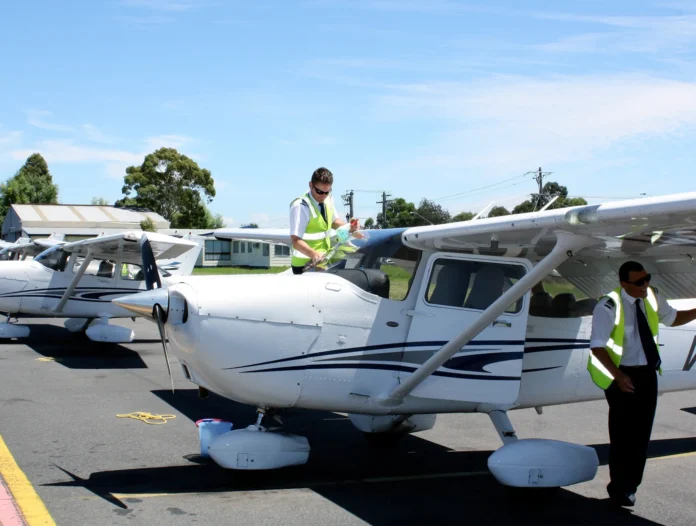
Choosing the right Commercial Pilot Licence (CPL) course in Australia requires comparing training providers, course formats, facilities, costs, and career pathways. A suitable course should match your learning needs and career goals while meeting Australian aviation requirements. Reviewing these factors before enrolling can help you select training that supports regular practice and the development of commercial flying skills.
Verify CASA Approval and Course Eligibility
Check whether the flight training provider holds the appropriate Civil Aviation Safety Authority (CASA) approval. CPL flight training is provided by Part 141 or Part 142 operators. Part 141 covers non-integrated CPL training, while Part 142 covers integrated CPL training. Students should also confirm the applicable entry and licensing requirements before applying.
Evaluate the Quality of Flight Training
Training quality influences how students develop practical flying skills. Compare providers based on:
- Instructor Access: Check how regularly you can train with flight instructors.
- Flying Frequency: Ask how often practical sessions are scheduled.
- Ground Training: Review how theory supports practical flight training.
- Progress Reviews: Check how instructors assess your development.
Together, these factors can indicate how consistently a provider supports your learning.
Check Aircraft Availability and Training Facilities
Suitable resources can help students maintain regular training. Consider:
- Aircraft Fleet: Review the types and number of training aircraft available.
- Training Devices: Check which flight simulation training devices and related resources are available.
- Maintenance Arrangements: Ask how aircraft servicing and availability are managed.
- Learning Facilities: Review classrooms, briefing areas, and other training resources.
These checks help you assess the resources available throughout your training.
Compare the Total Cost of Training
Ask for a clear breakdown of course fees and included services. Compare flight training, ground instruction, and other listed components between providers. Also check how flying costs are calculated. Comparing the same cost categories gives you a clearer view of the overall financial commitment.
Consider Course Duration and Training Location
Course format and location can affect your training experience. Compare:
- Training Schedule: Check the frequency of flight and theory sessions.
- Course Duration: Review the expected completion period.
- Local Conditions: Consider weather and access to training airspace.
- Living Arrangements: Compare accommodation, transport, and everyday expenses.
These factors can help you select a practical location and training schedule.
Review Career Pathways and Industry Connections
Compare further training options, graduate pathways, mentoring, and aviation industry links offered by each provider. Students searching for the Qantas Pilot Cadet Program can also review Qantas’s current pilot training pathways. Qantas operates the Qantas Group Pilot Academy in Toowoomba and states that its Academy courses are not Qantas Group cadet programmes.
Ask Key Questions Before Enrolling
Before choosing a CPL course in Australia, ask:
- What CASA approval does the provider hold?
- How regularly are aircraft and instructors available?
- What does the course fee include?
- What is the expected course duration?
- Which further training or career pathways are available?
Clear answers can help you compare providers against your training priorities.
Conclusion
The right CPL course should suit your training needs, budget, location preferences, and career plans. Compare CASA approval, training quality, aircraft access, facilities, costs, course duration, and future pathways. Careful comparison of these factors can help you choose suitable professional flight training and build the practical knowledge and skills required for your aviation career.
